On the Dash:
- South Korea cannot meet the $350 billion cash demand under the U.S.–South Korea trade pact, citing financial limits.
- Seoul is seeking alternatives, including loans and a currency swap, while the U.S. continues to push for upfront cash.
- The issue remains unresolved ahead of the upcoming APEC Summit, with implications for trade relations and tariff reductions.
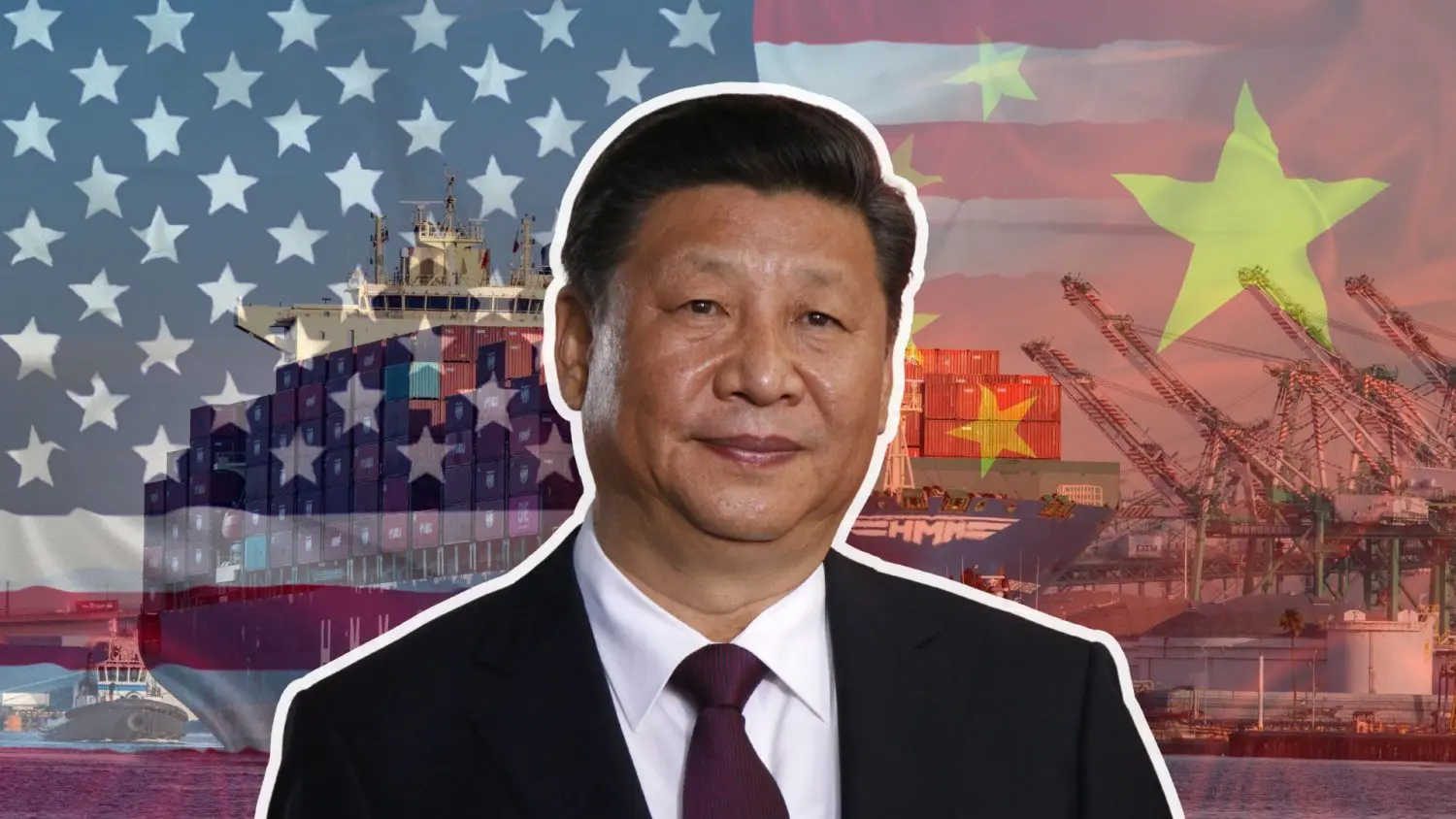
South Korea said Saturday it cannot provide $350 billion in cash to the United States under a trade pact aimed at lowering tariffs, calling the demand “objectively and realistically” unmanageable.
National Security Adviser Wi Sung-lac told Channel A News that Seoul’s position is not a negotiating tactic but reflects the limits of the country’s financial capacity, noting that the sum represents more than 80% of South Korea’s foreign reserves.
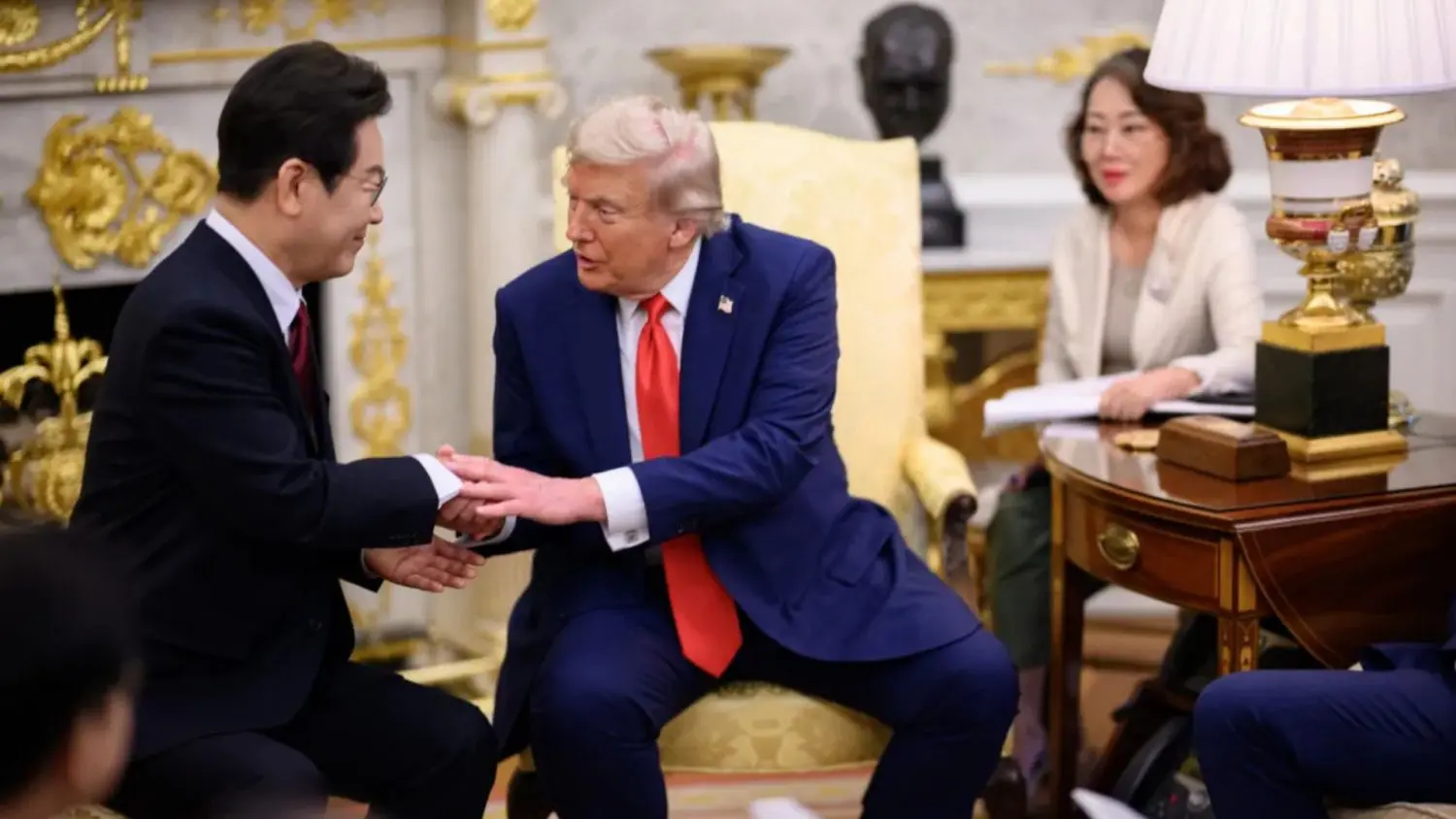
The $350 billion investment pledge was agreed to in July as part of a broader trade deal that reduces U.S. tariffs on South Korean goods from 25% to 15%. However, both sides remain divided over the structure of the contribution. South Korea is exploring alternatives, such as loans and a bilateral currency swap, to mitigate the economic impact, while U.S. officials, including Commerce Secretary Howard Lutnick, have reportedly pushed for cash contributions. President Donald Trump has described the payment as needing to be “up front.”
Wi said the government hopes for progress when leaders from both countries meet at the APEC Summit in Gyeongju next month. Separately, Finance Minister Koo Yun-cheol told reporters that exchange rate talks with the U.S. have concluded, with details to be announced soon. These discussions are distinct from currency swap negotiations.
The dispute highlights ongoing tensions over the implementation of trade commitments between the two allies and raises questions about how the investment pledge will affect U.S.–South Korea economic relations.