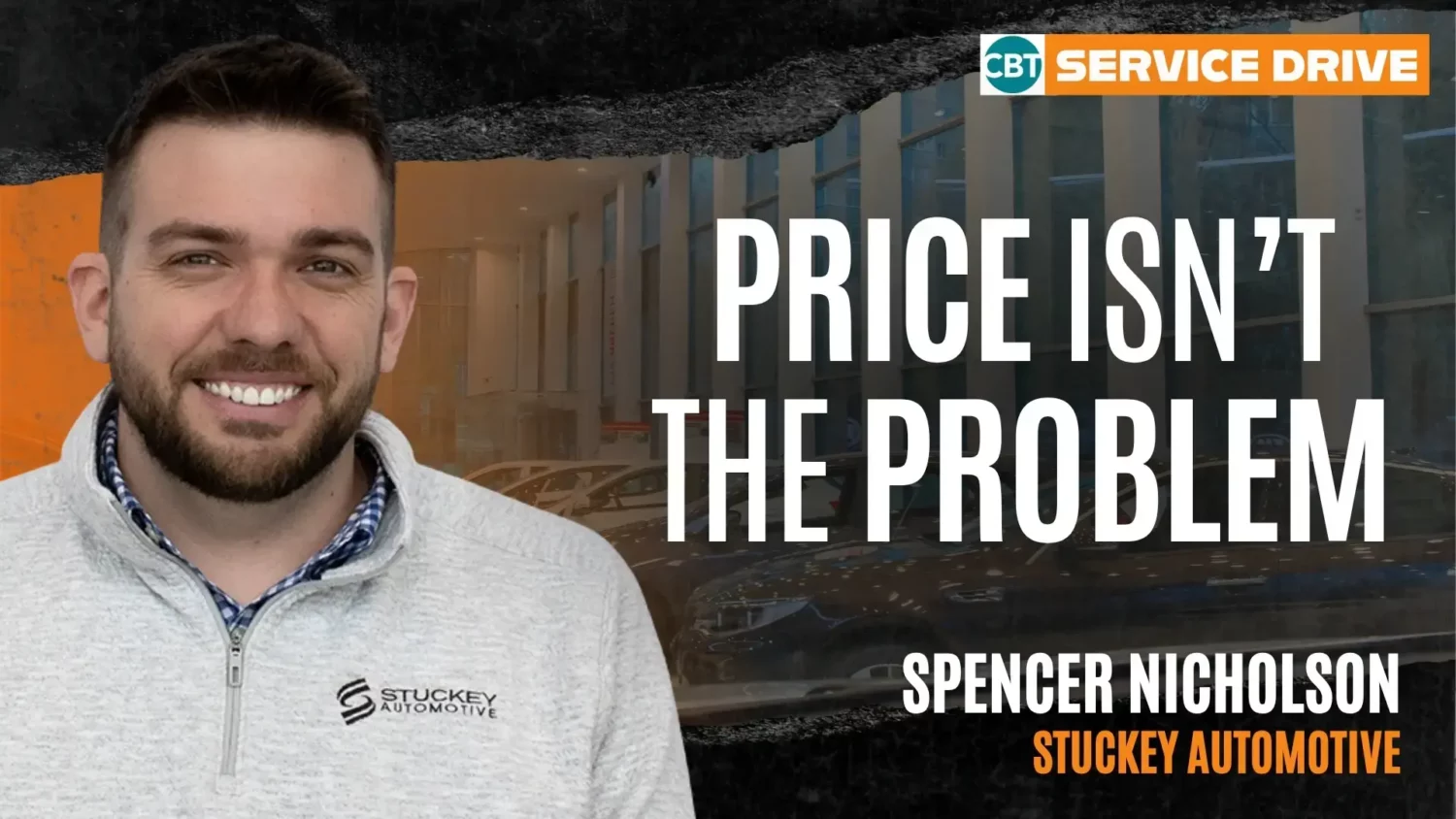
New Jersey Governor Phil Murphy recently signed a new law aimed at ensuring that dealers and technicians receive fair compensation for recall and warranty work. On the latest episode of Service Drive, Laura Perrotta, the president of NJ CAR, joins us to debrief on what this new legislation means for everyone in the state.
“Safety should always be number one. The folks who manufacturers these vehicles should be responsible to make things right for free.”
Strengthening dealers rights
Effective April 1, 2026, the law also introduces consumer protections and strengthens dealer rights under the Motor Vehicle Franchise Practices Act. Perrotta emphasizes the positive impact of the law on both small business dealers and technicians, highlighting its role in promoting fair labor standards and enhancing consumer protection.
Additionally, the legislation actively addresses long-standing concerns about manufacturers reducing labor time, ensuring that dealerships receive the same rates as those for customer-paid repairs. In practice, technicians will no longer face reduced labor allowances on recall or warranty work, a change expected to improve morale and retention. Perrotta mentions that prior labor guide reductions made complex repairs difficult to complete safely and fairly.
In addition to labor protections, the law strengthens NJ Car’s ability to represent dealers in legal matters related to violations of the Franchise Practices Act. It also establishes clearer legislative intent that franchise laws serve the interests of both consumers and dealers.
Financial impact
Financially, the law shifts approximately $145 million annually from automakers to dealers and technicians, a figure that dealerships previously expected to absorb. With 523 dealerships across the state, Perrotta notes that the law ensures technicians receive appropriate compensation and supports small business operations.
Further, dealers are encouraged to begin preparing for the law’s implementation by calculating customer-paid labor rates and determining dealership-specific multipliers. Accounting firms and consultants can assist in these preparations to ensure compliance by April 2026.
Advocacy drives success
Both the Assembly and Senate unanimously approved the bill, despite delays caused by the recent election season. Therefore, Perrotta credits NJ Car’s advocacy, economic impact studies, and coordinated efforts with legislators for the successful outcome. She emphasizes the importance of state associations in protecting the interests of dealers and technicians.
New Jersey’s law positions the state as a national model for fair compensation in the automotive industry, strengthens consumer protections, and ensures that dealerships treat technicians equitably. This marks a significant victory for dealers, workers, and vehicle owners alike.