On the Dash:
- Mexico plans to impose tariffs of up to 50% on Chinese and other Asian imports, including cars and auto parts, to protect local industry and align with U.S. trade policy.
- The proposed tariffs, affecting more than 1,400 product categories, come ahead of the 2026 USMCA review and aim to strengthen ties with the U.S. and Canada.
- The move could raise vehicle prices in Mexico, reduce consumer choice, and impact billions in investments tied to Chinese car brands and dealerships.
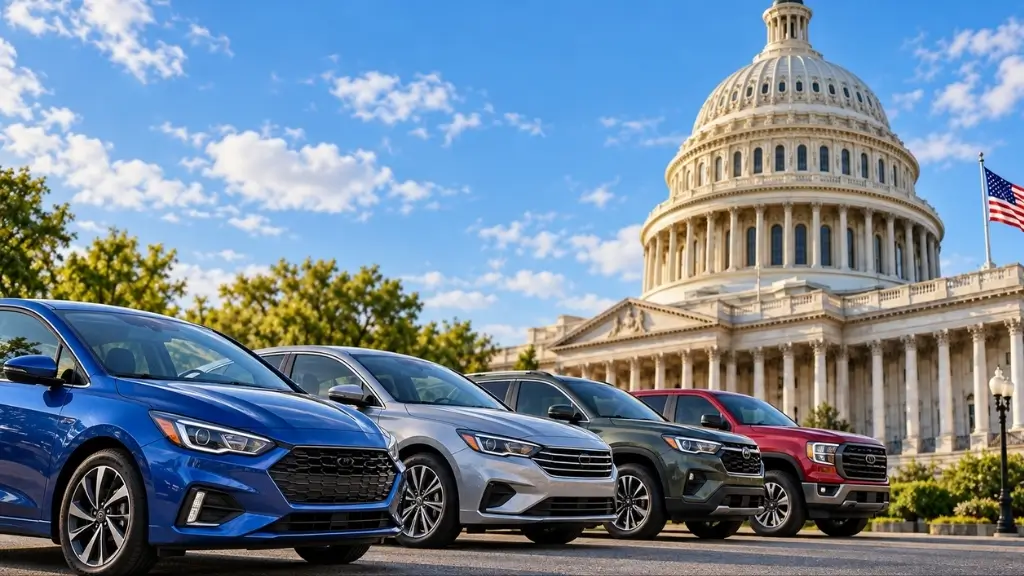
Mexico plans to impose tariffs as high as 50% on cars and other products from China and several Asian exporters, a move designed to protect local industries and align more closely with U.S. trade policy ahead of a review of the North American free-trade pact.
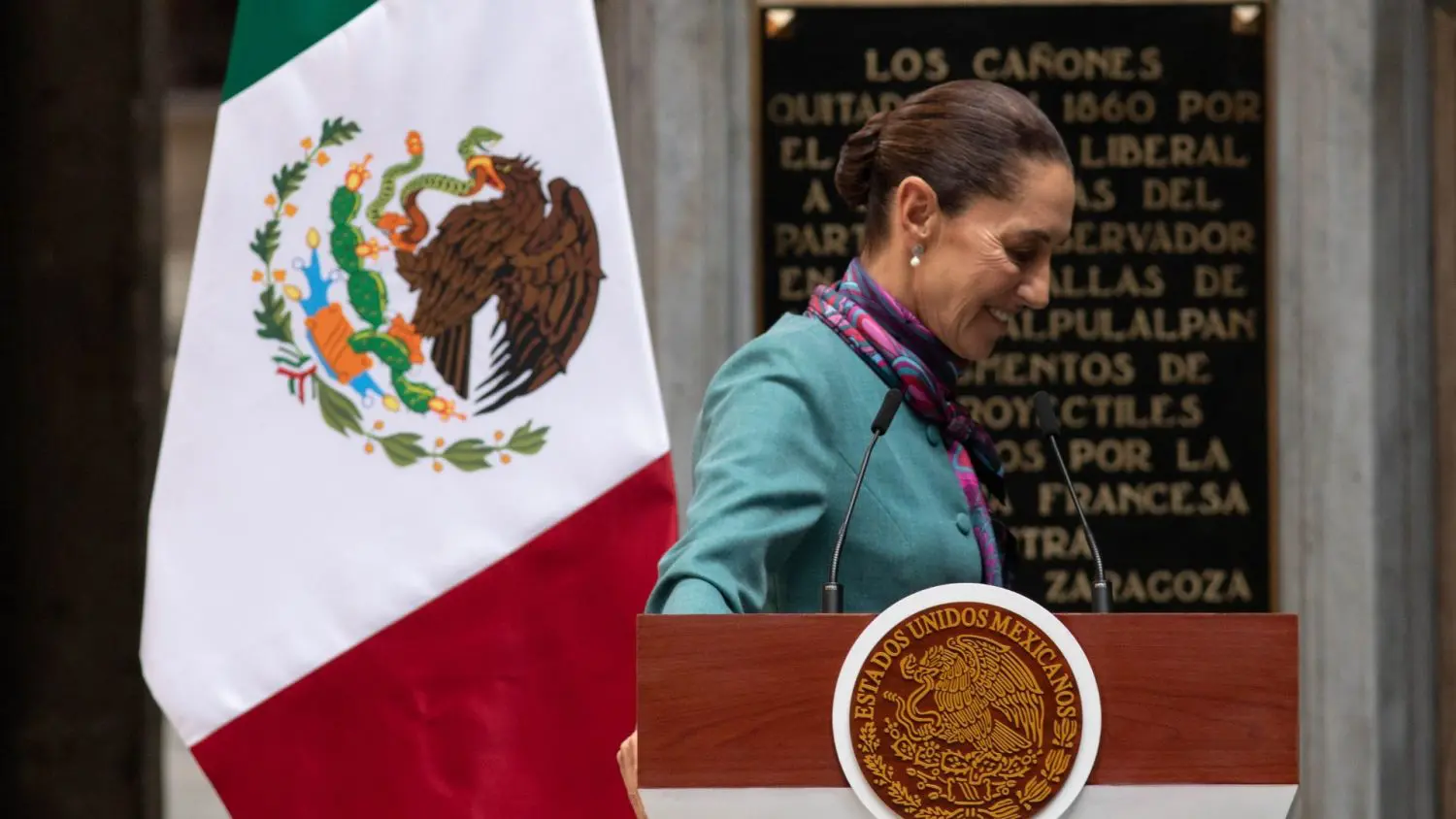
The proposed tariffs, announced by Economy Minister Marcelo Ebrard on Wednesday, would apply to more than 1,400 categories of goods from countries without trade agreements with Mexico. Included in the 2026 budget plan, the measure is expected to pass given the ruling party’s majority in Congress. If approved, the tariffs would take effect 30 days after publication in Mexico’s official gazette.
The new levies would range between 10% and 50% and cover vehicles, auto parts, steel, toys, and furniture. China, South Korea, India, Thailand, Indonesia, Russia, and Turkey would be among the hardest-hit exporters. The U.S., Canada, Japan, the European Union, and several Southeast Asian nations would be exempt due to existing trade agreements.
Officials said the tariffs aim to address imports, particularly Chinese vehicles, arriving at prices well below reference values, while also safeguarding Mexican jobs. Mexico has become the leading destination for Chinese-made vehicles, surpassing Russia earlier this year, with imports rising nearly 25% in the first half of 2025.
Analysts note that the higher tariffs would likely raise car prices in Mexico, reduce consumer options, and limit competition in the domestic market. Moreover, the measure is likely to influence investments in dealership networks associated with Chinese brands, which collectively invest over $3 billion and create more than 32,000 direct jobs.
Ultimately, the move coincides with preparations for the 2026 review of the U.S.-Mexico-Canada Agreement (USMCA). Both the U.S. and Canada have already restricted Chinese vehicles, and Mexico has decided to align itself with Washington’s protectionist trade policies while enhancing North American integration.