TSLA350.2501.3%
GM85.810-1.17%
F13.9500.02%
RIVN16.7400.14%
CYD39.3700.62%
HMC31.800-0.79%
TM192.950-0.86%
CVNA75.7453.415%
PAG219.7601.69%
LAD371.8903.34%
AN196.8001.67%
GPI264.8105.43%
ABG215.5904.73%
SAH77.0101.69%
TSLA350.2501.3%
GM85.810-1.17%
F13.9500.02%
RIVN16.7400.14%
CYD39.3700.62%
HMC31.800-0.79%
TM192.950-0.86%
CVNA75.7453.415%
PAG219.7601.69%
LAD371.8903.34%
AN196.8001.67%
GPI264.8105.43%
ABG215.5904.73%
SAH77.0101.69%
TSLA350.2501.3%
GM85.810-1.17%
F13.9500.02%
RIVN16.7400.14%
CYD39.3700.62%
HMC31.800-0.79%
TM192.950-0.86%
CVNA75.7453.415%
PAG219.7601.69%
LAD371.8903.34%
AN196.8001.67%
GPI264.8105.43%
ABG215.5904.73%
SAH77.0101.69%

Toyota to centralize Lexus production in U.S., Nikkei reports

Toyota is planning to consolidate its luxury arm into a single location, the Nikkei reports.
Toyota Motor is consolidating production for Lexus luxury vehicles. This move will involve ending operations at its Kentucky plant.

On the Dash:

  • Toyota is planning to streamline Lexus production in the U.S., reducing operations from two plants to one. 
  • Production of the Lexus EF sedan in Kentucky will stop, with some high-end models shifting to Japan. 
  • High U.S. tariffs drive the move, aiming to strengthen domestic hybrid vehicle manufacturing.

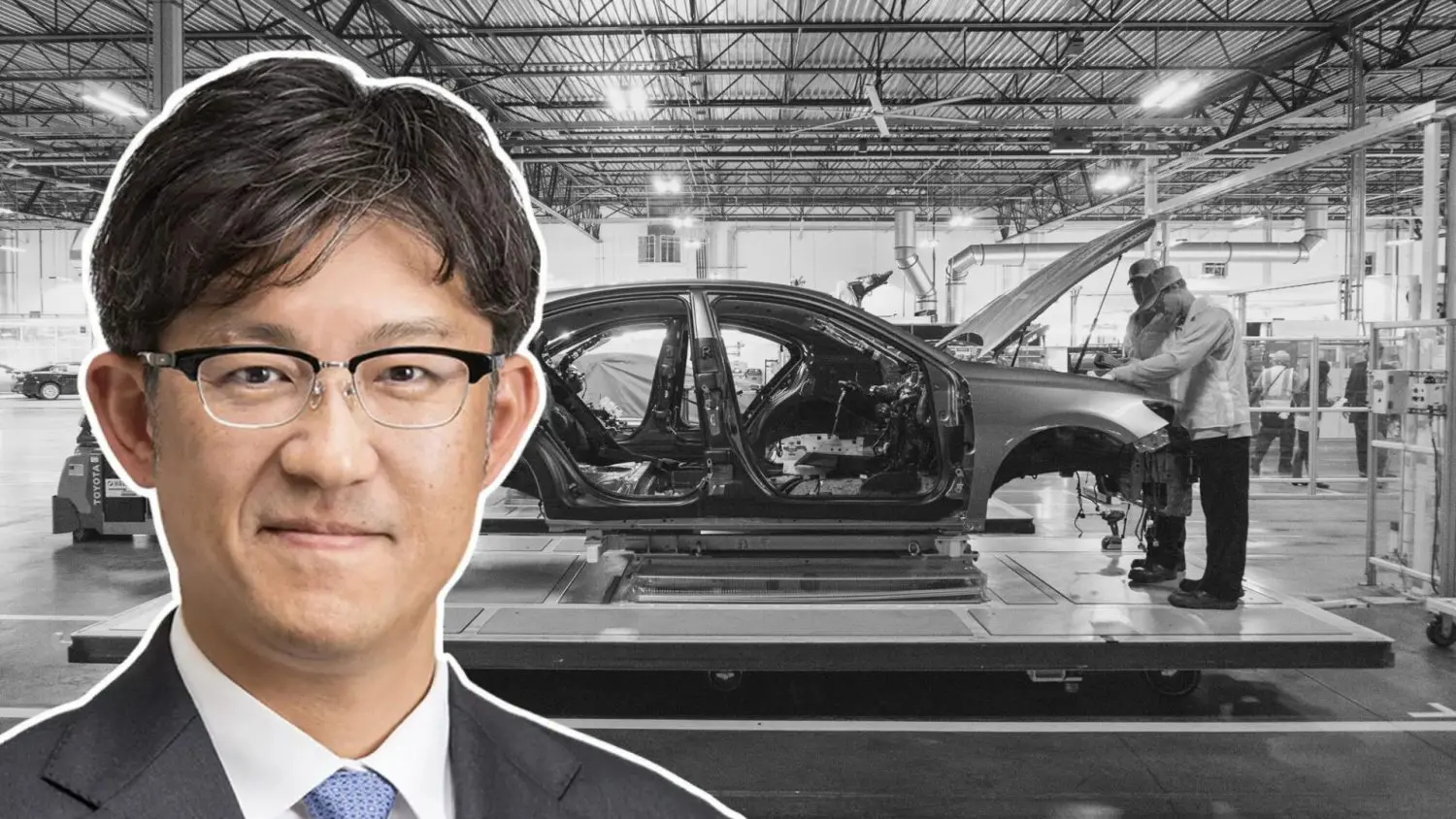
According to Nikkei Asia, a Japan-based English-language news outlet, Toyota Motor is consolidating its U.S. production for Lexus luxury vehicles. This move will involve ending operations at its Kentucky plant, which currently produces ES sedans, and shifting some high-end Lexus production to Japan.

Currently, Lexus manufactures the ES sedans in Kentucky and produces the TX SUVs in Indiana. Under the new plan, the automaker plans to halt production of Lexus sedans in Kentucky, which will reduce all U.S. operations to a single site. Toyota aims to optimize manufacturing efficiency while addressing the high tariffs imposed by the Trump administration.

Sign up for CBT News’ daily newsletter and get the latest industry stories delivered straight to your inbox.

This centralization is part of the automaker’s broader strategy to balance international and domestic production, maintain competitiveness in the luxury vehicle market, and emphasize hybrid technology. The change may impact local jobs and supplier networks, highlighting the ongoing influence of trade policies on the automotive industry.

By focusing its U.S. operations, Toyota seeks to reduce costs and streamline production in response to shifting market demands while continuing to supply both traditional and hybrid luxury vehicles to the North American market.


Read More
More from Articles
New-vehicle sales drop 6.9% but numbers are misleading, JD Power reports

New vehicle sales holds at 16.4 million SAAR as hybrid demand drives August growth

- August 25, 2026
On the Dash: Total sales pace holds at 16.4 million, but retail sales fall 6.9% year over year, JD Power reports Average monthly payment hits a record $812 for August...
AutoTrust unites over 300 franchise dealer to compete with America's largest public groups

AutoTrust unites over 300 franchise dealer to compete with America’s largest public groups

- August 25, 2026
Bloomfield Hills, MI. — For decades, public dealer groups have used consolidation to build the scale needed to negotiate better pricing, stronger supplier incentives, and higher profitability. Franchise dealers, negotiating one dealership...
NHTSA expands GM brake probe to 10 models, two Honda vehicles

NHTSA expands GM brake probe to 12 models, two Honda vehicles

- August 25, 2026
On the Dash: NHTSA escalated its investigation to a formal engineering analysis after receiving additional reports of brake-assist loss in GM vehicles equipped with the eBoost system. The probe now...
Hyundai, union reach tentative deal after strike

Hyundai, union reach tentative deal after strike

- August 25, 2026
On the Dash: Hyundai and its union reached a tentative agreement that ends a series of strikes and reduces the risk of further production disruptions. The deal calls for a...
CBT News
Privacy Overview

This website uses cookies so that we can provide you with the best user experience possible. Cookie information is stored in your browser and performs functions such as recognising you when you return to our website and helping our team to understand which sections of the website you find most interesting and useful.