On the Dash:
- Dealers can reassure customers that signing a binding contract and making a payment before Sept. 30 locks in the $7,500 federal EV tax credit, even if the vehicle is delivered later.
- With the impending deadline, dealers can anticipate increased urgency from buyers, particularly for models that require shipping or special orders, creating a potential surge in showroom activity.
- Dealers should help buyers navigate credit requirements, including income limits, vehicle price caps, and qualifying models, as well as highlight lease options and used EV incentives to maximize appeal.
The clock is ticking for U.S. car shoppers hoping to claim the federal electric vehicle tax credit, but the IRS has provided some relief for last-minute buyers. While the One Big Beautiful Bill Act eliminated the credit after Sept. 30, the IRS clarified this week that as long as a shopper signs a binding purchase contract and makes a payment before the deadline, the vehicle can qualify even if it is delivered later.
A payment includes a nominal down payment or a vehicle trade-in. The tax credit itself is only granted once the buyer takes possession, but a pre-deadline contract secures eligibility.
Historically, the IRS determined credit eligibility based on delivery dates. Vehicles delivered after a year in which they qualified were previously ineligible. The new guidance mirrors prior IRS language used when credit rules changed following the Inflation Reduction Act (IRA). Congressional debates also supported using a binding contract date as the effective purchase date.
The update is particularly useful for buyers ordering vehicles from other states or models that haven’t yet been manufactured, allowing them to secure the credit without waiting for delivery.
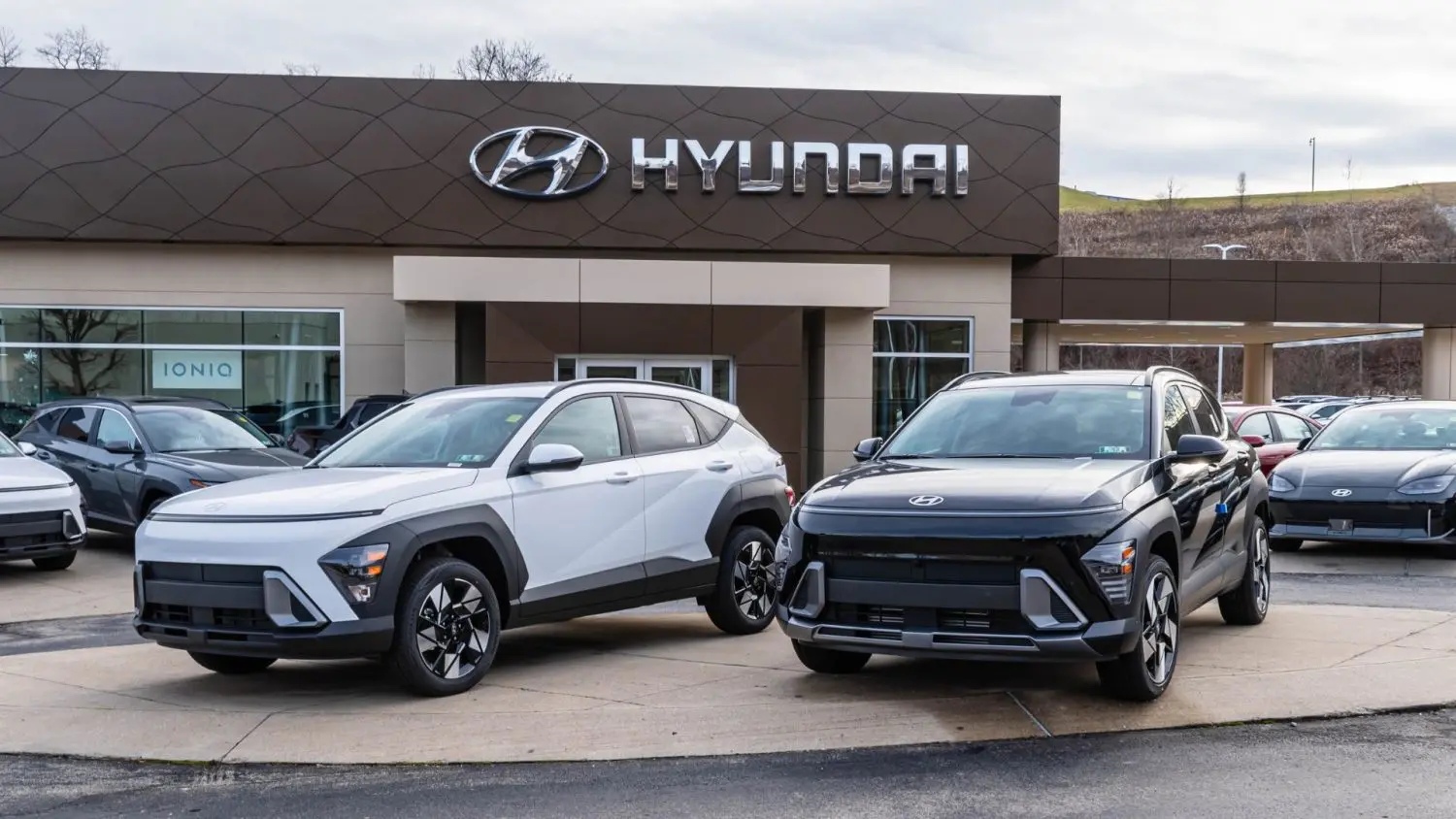
Further, new-vehicle credits of up to $7,500 are available for vehicles under specific price caps, manufactured in North America, and containing a certain percentage of U.S.- or allied-sourced battery materials. Buyers must earn less than $150,000 adjusted gross income ($300,000 for married couples). Qualifying models include Tesla, Chevrolet, Hyundai, Kia, the Ford F-150 Lightning, and the Chrysler Pacifica PHEV, though eligibility must be confirmed with individual dealers.
Used EVs at least two years old and priced under $25,000 can qualify for a $4,000 credit, and lease customers may apply the $7,500 toward any EV lease without restrictions, a loophole automakers have favored.
Moreover, EV sales in the U.S. multiplied from 2020 to 2023 but have since plateaued at roughly 10% of the market. Analysts anticipate a short-term spike in sales as the tax credit deadline approaches, followed by a slowdown once the incentive ends. Cox Automotive reported that new EV sales rose nearly 20% year-over-year in July, with used EV sales climbing 40%.
Ultimately, urgency is expected to remain high through September, with strong sales as buyers rush to meet the deadline. Long-term, electric vehicles are expected to grow more slowly than earlier projections, and automakers continue investing in more affordable EV models.
Many consumers may not fully grasp the deadline, and some could miss the opportunity to claim the credit due to the extensive coverage of tariffs and other auto industry developments.