On the Dash:
- GM is reviving its autonomous vehicle efforts by rehiring former Cruise employees and focusing on hands-free personal vehicles rather than robotaxis.
- The automaker is actively testing lidar-equipped, human-driven cars to gather data and accelerate development of fully autonomous technology.
- CEO Mary Barra continues to prioritize autonomy despite past setbacks, aiming to integrate it alongside existing hands-free systems like Super Cruise.
General Motors (GM) is reigniting its autonomous vehicle efforts by seeking to rehire former employees from its shuttered Cruise unit as it shifts focus to developing self-driving cars for personal use rather than robotaxi services. The move marks a renewed commitment to hands-free, eyes-free driving with a human inside the vehicle, aiming eventually for fully driverless cars with no one behind the wheel.
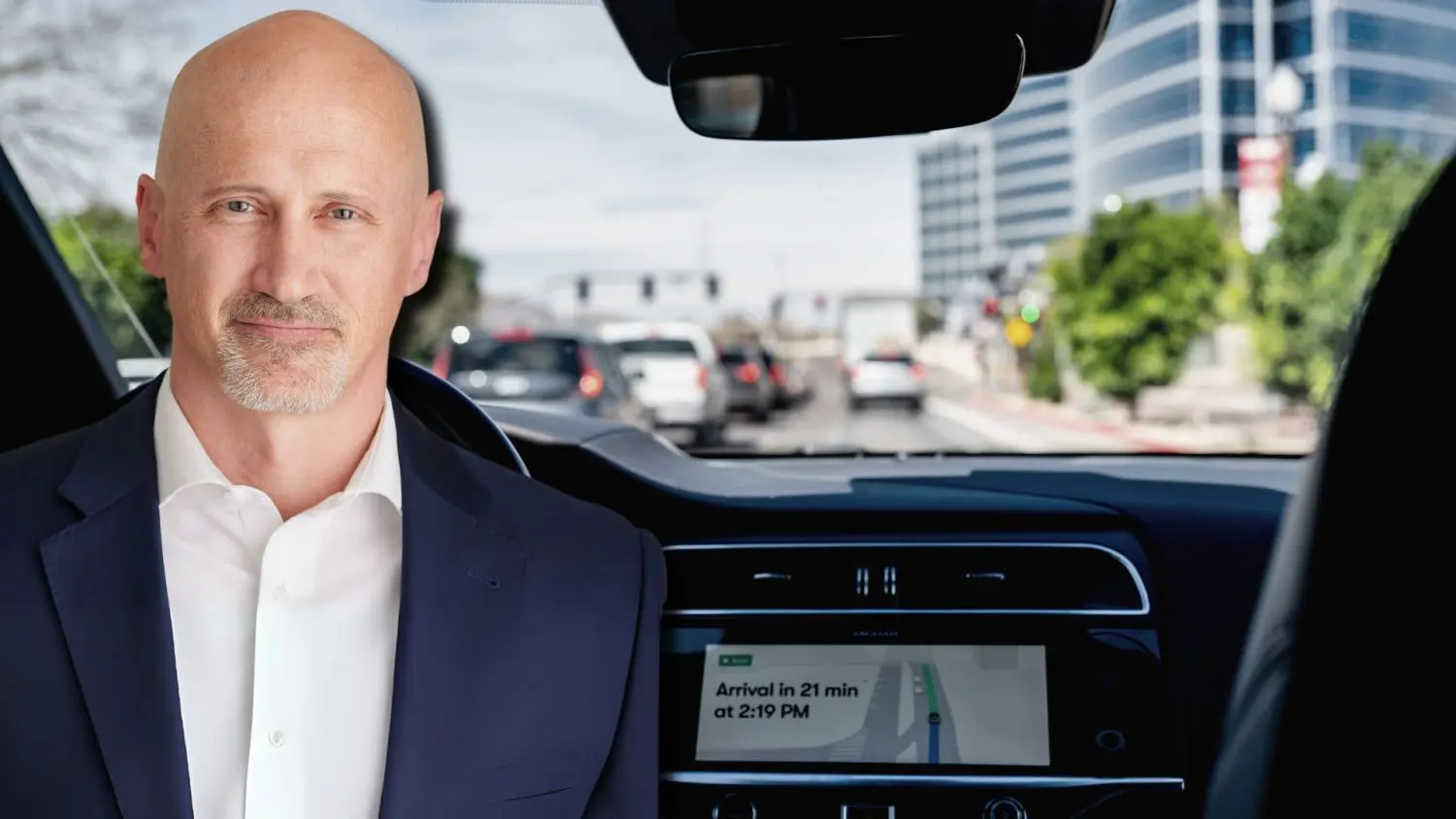
The plan was revealed during an internal employee meeting on August 6 by Sterling Anderson, former Tesla Autopilot chief and GM’s new product development lead. Anderson outlined GM’s vision for autonomy in the future. He confirmed the company’s intent to add talent by rehiring Cruise workers and bringing in new staff at its Mountain View, California, office and other sites.
GM spokeswoman Chaiti Sen said the company is actively testing human-driven, lidar-equipped vehicles on public roads to collect data and build simulation models that will accelerate autonomous technology development.
The hiring push underscores CEO Mary Barra’s ongoing commitment to the competitive driverless vehicle market, despite GM’s decision to exit the Cruise robotaxi business last year. Regulatory authorities shut down Cruise due to a serious pedestrian injury, ongoing regulatory crackdowns, and significant executive turnover, which included the departure of former CEO Kyle Vogt. Earlier this year, GM cut roughly half of Cruise’s workforce, about 1,000 employees.
Anderson, who joined GM in May from Aurora Innovation, brings extensive experience in autonomy, including his work leading Tesla’s Autopilot development and his academic research at MIT on semi-autonomous driving.
While GM cited the high costs of the robotaxi platform as a reason for exiting that market, it reaffirmed plans to develop autonomous vehicles for individual ownership. Although previous targets to launch such vehicles by mid-decade have lapsed, development continues alongside GM’s Super Cruise hands-free driving system.
On its recent second-quarter earnings call, CEO Mary Barra emphasized autonomous technology as a key priority for GM, alongside expanding its domestic supply chain and battery innovation.
This renewed push reflects GM’s strategic focus on autonomy as a critical component of its future product lineup.