TSLA393.450-31.85%
GM76.0000.48%
F13.350-0.29%
RIVN18.6301.45%
CYD43.390-2.9%
HMC28.0200.76%
TM174.5904.93%
CVNA68.5900.72%
PAG179.4202.34%
LAD306.23015.93%
AN186.4102.08%
GPI288.3901.79%
ABG205.4007.38%
SAH83.7300.68%
TSLA393.450-31.85%
GM76.0000.48%
F13.350-0.29%
RIVN18.6301.45%
CYD43.390-2.9%
HMC28.0200.76%
TM174.5904.93%
CVNA68.5900.72%
PAG179.4202.34%
LAD306.23015.93%
AN186.4102.08%
GPI288.3901.79%
ABG205.4007.38%
SAH83.7300.68%
TSLA393.450-31.85%
GM76.0000.48%
F13.350-0.29%
RIVN18.6301.45%
CYD43.390-2.9%
HMC28.0200.76%
TM174.5904.93%
CVNA68.5900.72%
PAG179.4202.34%
LAD306.23015.93%
AN186.4102.08%
GPI288.3901.79%
ABG205.4007.38%
SAH83.7300.68%


Dave Anderson shares a proven strategy for confronting underperformance head-on

Leadership expert outlines a direct, fair, and accountable approach for managing low-performing team members without ambiguity or delay.

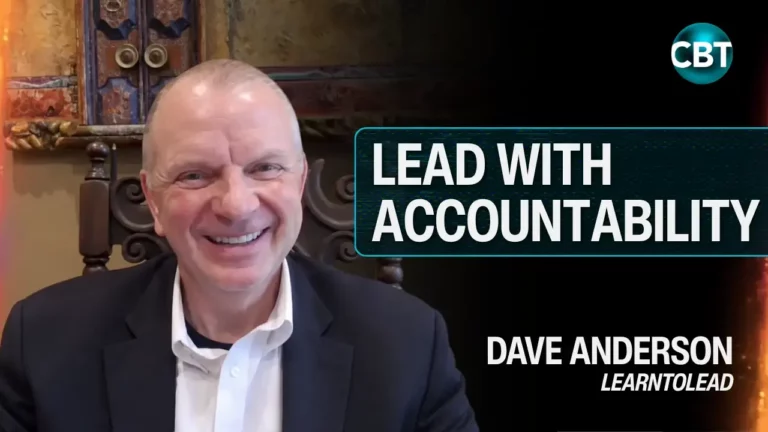
Confronting underperformance in the workplace can be one of the most uncomfortable challenges for any manager. Yet, during today’s episode of Lessons in Leadership, leadership expert and President of LearnToLead, Dave Anderson,  lays out a firm, clear, and respectful framework that empowers leaders to address it head-on—before it leads to long-term consequences or surprise terminations.

Anderson introduces a tactical method he calls “X to Y by When or Else,” a formula designed to eliminate ambiguity when coaching an underperformer. Using a hypothetical employee nicknamed “Five-Car Fred,” who consistently sells six units per month when the minimum expectation is eight, Anderson explains how to lay out performance goals and consequences with clarity and confidence.

"We would sit down and apply what I call X to Y by when or else... Here's where you're at. Here's where you need to be. Here's by when you need to be there. If you're not there, this is what's going to happen." – Dave Anderson

The process starts with direct communication: “Fred, you’ve been averaging six. You need to be averaging eight by [set deadline].” Anderson emphasizes the importance of establishing a firm timeline, such as 30, 60, or 90 days, and following through with a specific consequence if improvement does not occur within that timeframe. Examples of consequences could include termination, probation, or the loss of a privilege.

Sign up for CBT News’ daily newsletter and get the latest industry stories delivered straight to your inbox.

Beyond accountability, Anderson underscores the value of encouragement. He advises ending the conversation with a “firm belief” statement to reaffirm support for the employee’s potential: “If I didn’t think you could be there by that time, I’d be applying this consequence right now.”

Anderson also pushes back on the idea that this direct approach is harsh. In fact, he argues, it’s more fair than the alternative, which is often vague communication, delayed action, and sudden dismissals that leave employees blindsided. “Harsh,” he says, would be allowing someone to underperform without feedback and then firing them without warning.

Ultimately, Anderson’s framework equips managers to not only confront performance issues but also give their team members a genuine opportunity to improve—with no room for confusion.


Read More


More from Lessons in Leadership
Traits

The 5 traits that determine whether a candidate is worth the investment

- July 1, 2026
When it comes to hiring, Leadership Expert and President of LearnToLead, Dave Anderson, says the strongest people already arrive with most of what matters. Anderson joins the latest episode of Lessons...
Why training is a dealer’s best weapon 

Why training is a dealer’s best weapon 

- June 24, 2026
When it comes to training, Leadership Expert and President of LearnToLead, Dave Anderson, believes “The more you sweat, the less you bleed in battle.” Anderson joins us on the latest episode...
Why leaders should be thermostats, not thermometers

Why leaders should be thermostats, not thermometers

- June 3, 2026
Leadership expert Dave Anderson says culture doesn't develop on its own; it takes the temperature of whoever is leading it. On the latest episode of Lessons in Leadership, Anderson outlines the...
Why leadership pace determines organizational performance

Why leadership pace determines organizational performance

- May 27, 2026
Leadership Expert Dave Anderson says organizations rise or fall based on the pace, discipline and standards established by leadership. During the latest episode of Lessons in Leadership, Anderson revisits the first...
CBT News
Privacy Overview

This website uses cookies so that we can provide you with the best user experience possible. Cookie information is stored in your browser and performs functions such as recognising you when you return to our website and helping our team to understand which sections of the website you find most interesting and useful.