TSLA390.220-7.23%
GM86.000-0.25%
F11.9200.02%
RIVN12.180-0.62%
CYD21.7400.59%
HMC34.3000.77%
TM212.4302.75%
CVNA72.3701.53%
PAG212.0000.21%
LAD296.520-0.65%
AN177.750-2.76%
GPI260.2102.92%
ABG197.170-2.44%
SAH59.480-0.7%
TSLA390.220-7.23%
GM86.000-0.25%
F11.9200.02%
RIVN12.180-0.62%
CYD21.7400.59%
HMC34.3000.77%
TM212.4302.75%
CVNA72.3701.53%
PAG212.0000.21%
LAD296.520-0.65%
AN177.750-2.76%
GPI260.2102.92%
ABG197.170-2.44%
SAH59.480-0.7%
TSLA390.220-7.23%
GM86.000-0.25%
F11.9200.02%
RIVN12.180-0.62%
CYD21.7400.59%
HMC34.3000.77%
TM212.4302.75%
CVNA72.3701.53%
PAG212.0000.21%
LAD296.520-0.65%
AN177.750-2.76%
GPI260.2102.92%
ABG197.170-2.44%
SAH59.480-0.7%

Toyota recalls nearly 500,000 Tundras over faulty reverse lights

Moisture intrusion in reverse light housing could lead to lamp failure and wiring corrosion in specific Tundra models.
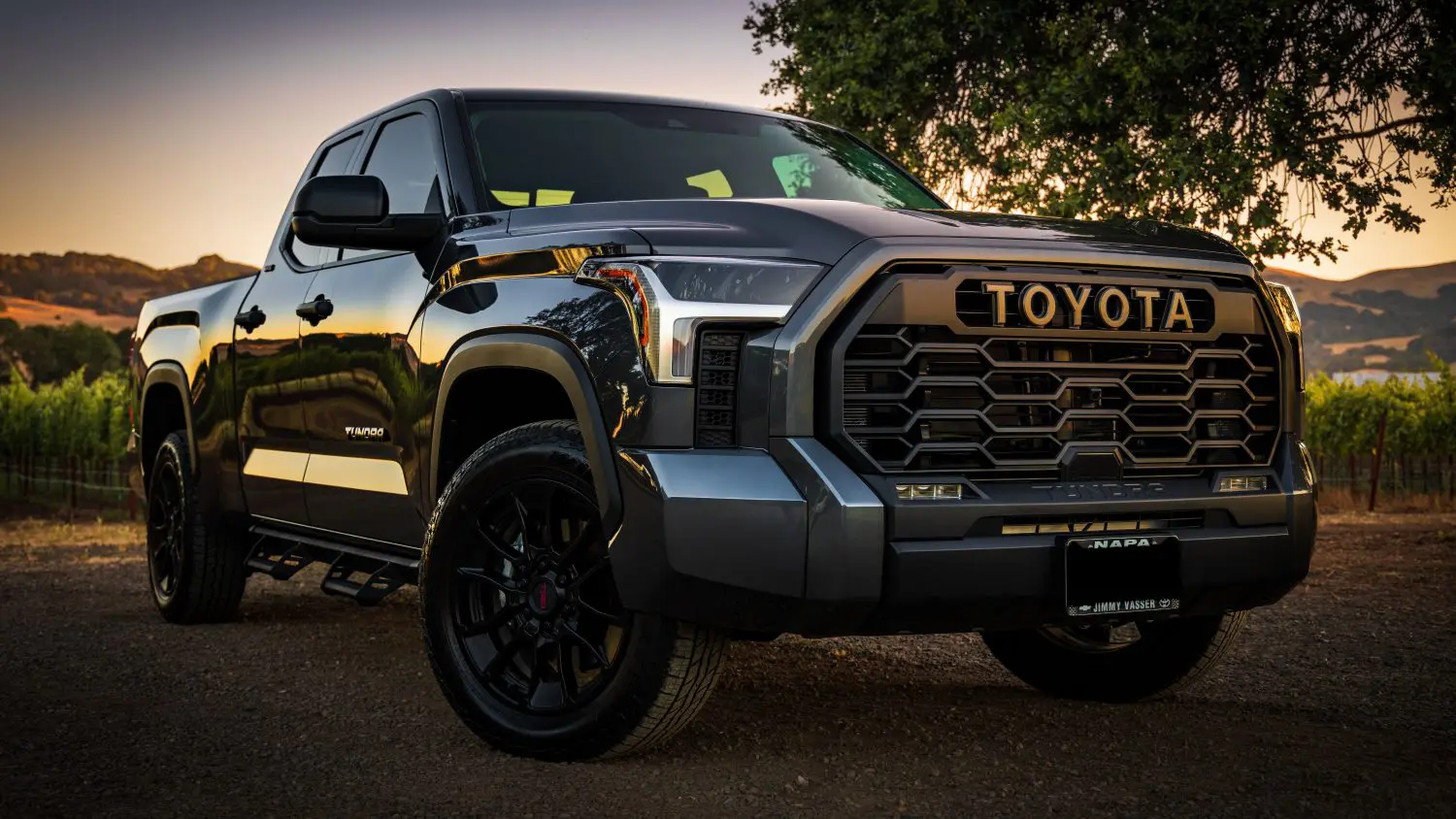
Toyota is recalling approximately 443,000 Tundra and Tundra hybrid pickup trucks from the 2022 to 2025 model years.

Toyota is recalling approximately 443,000 Tundra and Tundra hybrid pickup trucks from the 2022 to 2025 model years due to a defect in the reverse light that could cause the lamps to fail and increase the risk of damage or injury during backing maneuvers. 

The issue stems from moisture in the reverse light housing, which can lead to malfunctioning lamps and potential corrosion in the wiring harness. Although these trucks come with federally mandated backup cameras, the cameras rely on reverse lights to illuminate dark conditions. When the lights do not work, visibility decreases, creating a safety risk for nearby people or objects.

Sign up for CBT News’ daily newsletter and get the latest industry stories delivered straight to your inbox.

Moreover, owners affected by the recall will begin receiving official notifications by mail starting in July. Toyota dealers will replace both light units free of charge and inspect the wiring harness for any signs of corrosion, repairing or replacing them as needed. 

This recall comes in the wake of a more serious defect discovered earlier in 2024 involving engine contamination in third-generation Tundras and Lexus LX SUVs. That issue prompted the automaker to replace nearly 100,000 engines due to the risk of crankshaft bearing failure caused by leftover machining debris. 

Despite these setbacks, Toyota’s full-size pickup continues to rank among America’s most durable vehicles. A recent study found that Tundras have a 37% chance of reaching 250,000 miles, leading the list of the top five longest-lasting vehicles, all of which are Toyotas.


Raed More

More from EVs & Technology
Global EV sales rise 8% in October, U.S. EV market lags behind

Global EV sales rise 8% in October, U.S. market stabilizes

- November 12, 2026
On the Dash: Global EV sales rose 8% to 2.09 million units in October. Europe grew 36% while China fell 12%, with record Chinese exports lifting other markets. North America...
Why AI is rewriting the rules of vehicle discovery

Why AI is rewriting the rules of vehicle discovery

- November 12, 2026
Automotive retail discovery is undergoing a structural transformation before consumers ever set foot on a showroom floor or contact a dealership. Rather than scrolling through traditional lists of website links...
Honda commits $3B to new Ohio plant as hybrid production expands

Honda commits $3B to new Ohio plant as hybrid production expands

- November 9, 2026
On the Dash: Honda plans to invest $3 billion in a new Ohio assembly plant with annual capacity for 240,000 vehicles and more than 2,000 jobs, with production expected to...
Tesla to refund Cybertruck deposits as production winds down

Tesla to refund Cybertruck deposits as production winds down

- November 9, 2026
On the Dash: Cybertruck deposits will be refunded for many customers as orders exceed production capacity. Tesla will build as many Cybertrucks as possible before the line closes in about...

Add us as a preferred source on Google

CBT News
Privacy Overview

This website uses cookies so that we can provide you with the best user experience possible. Cookie information is stored in your browser and performs functions such as recognising you when you return to our website and helping our team to understand which sections of the website you find most interesting and useful.