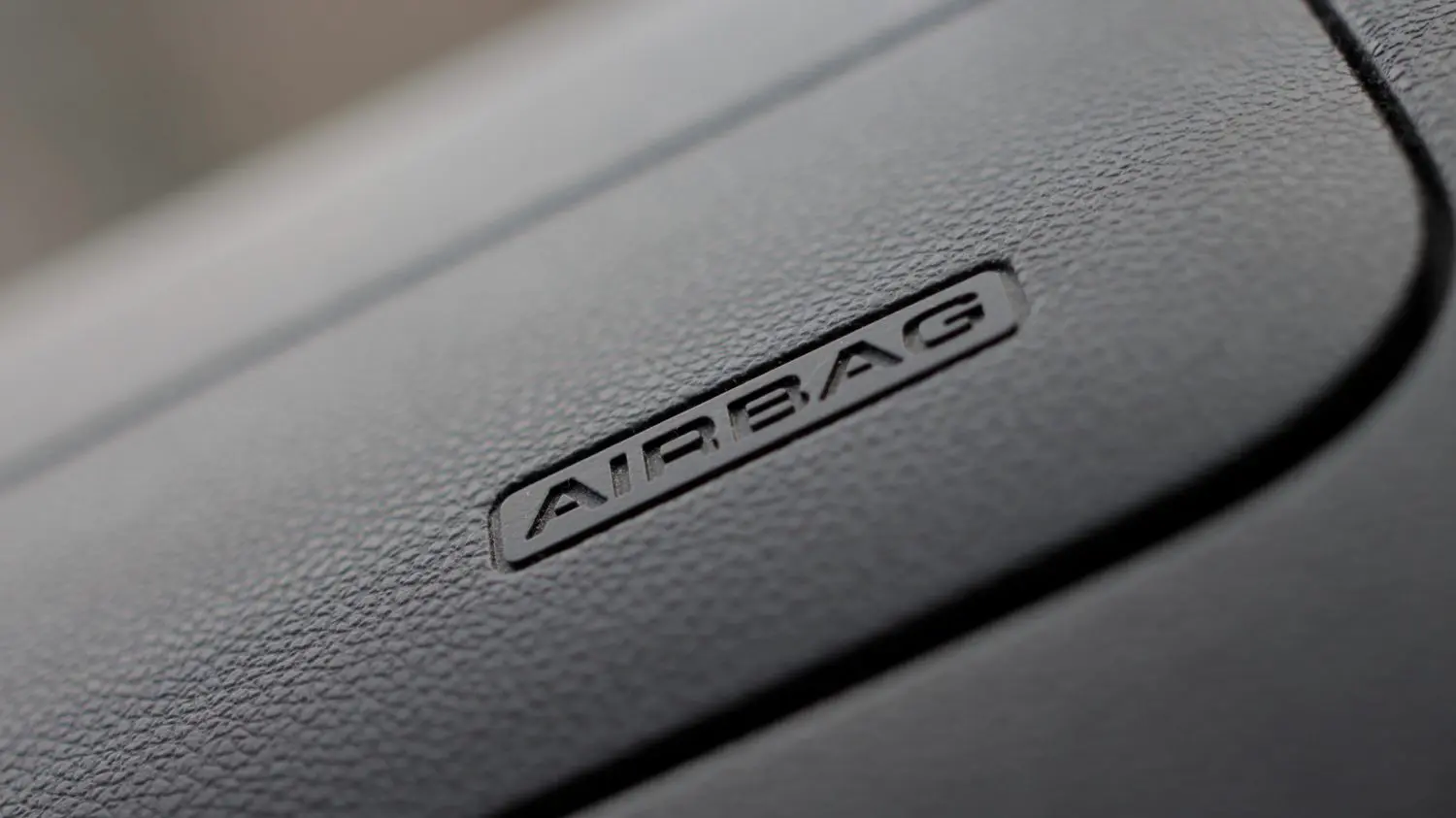
The National Highway Traffic Safety Administration (NHTSA) is investigating defective airbag inflators in approximately 49 million cars from 13 manufacturers, which can explode and hurl shrapnel into drivers and passengers. These inflators have been linked to at least seven injuries and two deaths in the United States and Canada since 2009.
NHTSA reported that seven of these inflators have ruptured in the U.S. field, displaying signs of insufficient welds or excessive pressure in the canister designed to contain the explosion. Additionally, 23 inflators have ruptured during testing, with causes similar to those that failed in real-world conditions. Four inflators have also ruptured outside the U.S., resulting in at least one fatality.
The agency highlighted that although most inflators may not rupture upon deployment, the evidence suggests all ARC-designed inflators are at risk due to the same friction welding process. Despite this, multiple automakers argue that NHTSA has not established a definitive safety defect, with no ruptures reported in millions of inflators within their vehicles.
NHTSA maintains that the only way to determine which inflators will fail is during a crash, a risk unacceptable under federal motor vehicle safety laws. The agency plans to take public comments for 30 days before deciding whether to pursue a massive recall, potentially leading to a lawsuit against ARC if the company refuses to comply.
Regulators previously requested ARC to recall the inflators in May 2023, but the company declined, prompting the current standoff. A public hearing held last October indicated NHTSA’s readiness to seek a recall due to a manufacturing flaw causing metal shrapnel to project through a car’s interior during airbag deployment.
The core issue lies in the metal inflator canister within the airbag device. NHTSA contends that welding byproducts can clog a vent in the canister, preventing gas escape and causing pressure to build until the canister explodes, sending shrapnel into the vehicle.
Injuries from such incidents can be severe, posing an unreasonable risk of serious injury or death. However, ARC and many automakers oppose a recall, citing the infrequency of the problem and disputing NHTSA’s defect determination.
Fiat Chrysler Automobiles (FCA) noted no inflator ruptures in its vehicles, matching NHTSA’s defect theory despite having 4.9 million older cars with ARC inflators. An inflator rupture in a 2002 Chrysler Town and Country minivan in 2009 was attributed to a unique cause, and no further incidents have been reported in FCA vehicles since.
Vehicles from BMW, Ford, General Motors, Hyundai, Jaguar-Land Rover, Kia, Maserati, Mercedes-Benz, Porsche, Tesla, Toyota, and Volkswagen also contain ARC or Delphi-made inflators. Delphi manufactured about 11 million inflators under license from ARC, though a complete list of affected vehicles has not been released.