TSLA374.9801.2601%
GM77.990-0.53%
F12.375-0.105%
RIVN16.540-0.4099%
CYD41.240-0.63%
HMC24.275-0.205%
TM192.610-3.47%
CVNA400.780-2.24%
PAG160.5000.5%
LAD274.545-1.845%
AN203.1700.2%
GPI337.890-1.89%
ABG201.680-0.33%
SAH71.3100.09%
TSLA374.9801.2601%
GM77.990-0.53%
F12.375-0.105%
RIVN16.540-0.4099%
CYD41.240-0.63%
HMC24.275-0.205%
TM192.610-3.47%
CVNA400.780-2.24%
PAG160.5000.5%
LAD274.545-1.845%
AN203.1700.2%
GPI337.890-1.89%
ABG201.680-0.33%
SAH71.3100.09%
TSLA374.9801.2601%
GM77.990-0.53%
F12.375-0.105%
RIVN16.540-0.4099%
CYD41.240-0.63%
HMC24.275-0.205%
TM192.610-3.47%
CVNA400.780-2.24%
PAG160.5000.5%
LAD274.545-1.845%
AN203.1700.2%
GPI337.890-1.89%
ABG201.680-0.33%
SAH71.3100.09%

FTC and NADA clash over no-junk-fees CARS policy

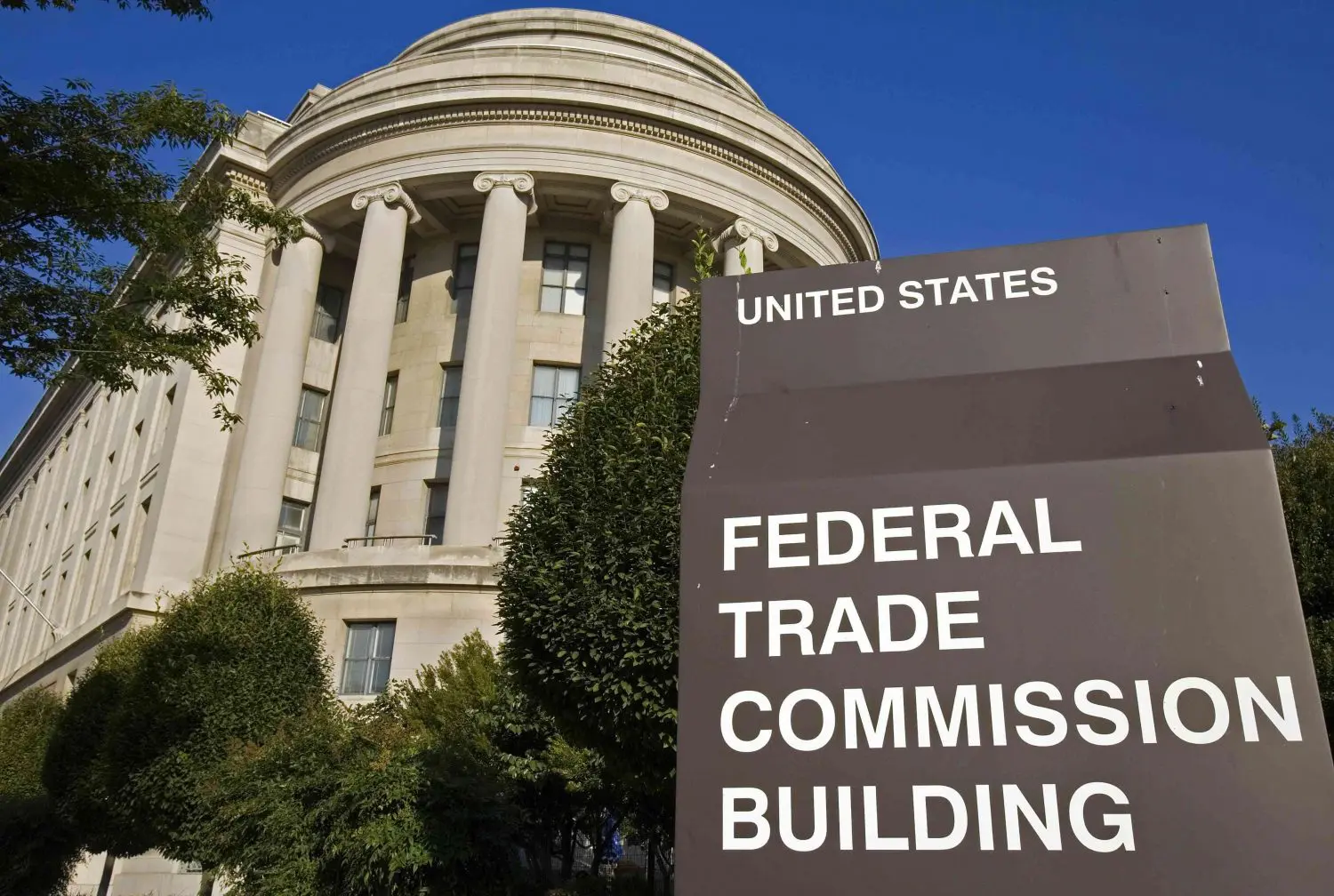
The FTC has voted to pass the CARS rule, banning questionable fees and tactics in car sales but earning a harsh response from the NADA
The FTC has voted to pass the CARS rule, banning questionable fees and tactics in car sales but earning a harsh response from the NADA.

The Federal Trade Commission (FTC) has voted to implement a new rule banning anti-consumer tactics and unwarranted fees in car sales, prompting a swift and critical response from the National Automobile Dealers Association (NADA).

First revealed in mid-2022, the FTC’s Combating Auto Retail Scams (CARS) rule places additional restrictions on dealers and their employees when communicating with their customers.

Starting on Jul. 30, 2024, auto retailers must avoid misrepresenting key information, which the FTC notes can include pricing details, repossession policies, and partnerships with federal entities such as the military, to prospective car buyers. Dealers will also be required to: 

  1. obtain their customer’s consent before charging any fees during the purchase process, 
  2. inform the consumer of their vehicle’s offering price, 
  3. remind them that all add-ons are optional, and
  4. include the total payment amount when walking the buyer through financing.

One of the most significant changes introduced in the new CARS policy is the banning of “bogus add-ons,” fees that do not benefit the car buyer in some way. Next summer, the FTC will prohibit dealers from advertising a plethora of unwarranted “features,” such as warranties that duplicate the automaker’s warranty, oil service contracts for electric vehicles, subscription services for models incapable of providing the service, and so on.

On the same day the FTC announced its decision to implement the CARS rule, NADA President and CEO Mike Stanton published a short response on the organization’s website. The statement reads as follows:

“This regulation is heavy-handed bureaucratic overreach and redundancy at its worst, that will needlessly lengthen the car sales process by forcing new layers of disclosures and complexity into the transaction. The FTC made up data to support its claims, then rejected calls to slow down the process and test the effectiveness of its proposal with real consumers. We are exploring options on how to keep this ill-conceived rule from taking effect.”

Beneath the statement, the NADA attached a study it requested from the Center for Automotive Research earlier this year. This report claimed the CARS rule would cost consumers $38 billion over the next 10 years and increase time spent in the dealership by two hours, based in part on estimates provided by dealers.

Conversely, the FTC claims that the policy would save car buyers $3.4 billion annually and reduce the amount of time spent on car shopping per year by 72 million hours. In its final ruling, available here, the FTC provides comments, both critical and supportive, from stakeholders concerning the new guidelines, and provides its responses.

While the NADA and the FTC may be at odds, many of the guidelines included in the CARS rule are already standard procedures at dealerships where the consumer’s well-being is a high priority. That being said, it is no secret that the trust between customers and auto retailers has been eroding for some time, a trend exacerbated by the COVID pandemic. 

In its 2023 Car Buying Outlook report, Capital One reported that while 68% of dealers feel the vehicle purchasing process was “very or completely transparent,” only 21% of buyers shared the same view. Some of the key areas where consumers felt more transparency was especially needed were sales prices, price negotiations, unlisted fees, and deal fairness. In contrast, 80% of dealers felt that all aspects of the car buying process were transparent.

Regardless of whether its members support more or less government regulation, the FTC’s decision to approve the CARS rule should be a wake-up call for the retail automotive community that change is needed to keep their businesses’ reputations and long-term success intact.

Implementing more accurate tools, educating buyers on both their new vehicle and the purchase process, and listening to criticism from consumers with an open mind will not only improve the relationship between dealers and their customers, it will also make federal intervention less likely.
Read More
More from Articles
Toyota Mobility Foundation Names Innovators in Clean Freight as Detroit Winners of Global Sustainable Cities Challenge

Toyota Mobility Foundation names innovators in clean freight as Detroit winners of Global Sustainable Cities Challenge

- April 24, 2026
DETROIT, April 23, 2026 /PRNewswire/ -- The Toyota Mobility Foundation (TMF) and City of Detroit today announced three winners of TMF's Sustainable Cities Challenge in Detroit. The announcement marks the conclusion of the...
Baumann Auto Group

Baumann Auto Group acquires Firelands Chevrolet of Norwalk in Ohio

- April 24, 2026
Ohio-based Baumann Auto Group has acquired Firelands Chevrolet of Norwalk from Patrick O'Brien of Firelands Auto Group, expanding its footprint in northern Ohio. The transaction closed on March 25, 2026,...
Ford doubles down on U.S. assembly as trade policies shift industry strategy

Ford doubles down on U.S. assembly as trade policies shift industry strategy

- April 24, 2026
On the Dash: Ford’s domestic production advantage may become a stronger selling point as “Made in America” messaging gains traction. Policy-driven incentives could shift consumer demand toward U.S.-assembled vehicles Inventory...
Stellantis to prioritize four core brands in turnaround strategy, sources say The automaker plans to shift funding toward Jeep, Ram, Peugeot, and Fiat while maintaining its broader portfolio. On the Dash: Expect increased product investment and marketing support for Jeep, Ram, Peugeot and Fiat. Regional and niche brands may see reduced volume but more targeted positioning and shared platforms. Platform-sharing and rebadging strategies could affect inventory mix and model differentiation. Stellantis will concentrate most of its investment on four core brands as CEO Antonio Filosa pushes a turnaround strategy set for release May 21, according to a Reuters exclusive. The automaker has identified Jeep, Ram, Peugeot, and Fiat as its priority brands. It will allocate a “material increase” in funding to them, driven by their stronger global sales and profitability, marking a shift away from the company’s previous approach of distributing investment more evenly across its portfolio. Sign up for CBT News’ daily newsletter and get the latest industry stories delivered straight to your inbox. Stellantis will retain its 14-brand lineup, the largest in the industry, and will not shut down underperforming marques. Instead, the company will reposition secondary brands such as Citroën, Opel and Alfa Romeo to operate in regional or niche roles. These brands will rely on shared platforms and technology developed by the core brands while maintaining distinct styling and market identity. The strategy comes as Stellantis works to regain market share in the United States and Europe while facing growing competition from Chinese EV makers. The company earlier reported a 22.2 billion-euro charge tied to scaling back its EV plans, underscoring the urgency of the strategic shift. Its market valuation has also declined significantly in recent months. To support the transition, Stellantis will expand its use of shared “multi-energy” platforms that support electric, hybrid and internal combustion (ICE) vehicles. Additionally, the company is evaluating rebadging strategies and joint development programs, including collaborations with its Chinese partner, Leapmotor. Executives and investors backing the plan expect the increased focus on core brands to improve efficiency and strengthen financial performance. Analysts say Stellantis could still consider further consolidation if results fall short of expectations. Meta description (140 characters) Stellantis to boost funding for Jeep, Ram, Peugeot and Fiat, shifting strategy while maintaining its 14-brand global portfolio.

Stellantis to prioritize four core brands in turnaround strategy, sources say

- April 24, 2026
On the Dash: Expect increased product investment and marketing support for Jeep, Ram, Peugeot and Fiat. Regional and niche brands may see reduced volume but more targeted positioning and shared...
CBT News
Privacy Overview

This website uses cookies so that we can provide you with the best user experience possible. Cookie information is stored in your browser and performs functions such as recognising you when you return to our website and helping our team to understand which sections of the website you find most interesting and useful.