TSLA447.14013.69%
GM76.7950.355%
F13.1151.125%
RIVN14.4450.495%
CYD50.4501.93%
HMC24.3900.28%
TM187.2405.57%
CVNA70.600-3.12%
PAG167.960-1.07%
LAD276.0700.77%
AN193.510-1.85%
GPI335.040-1.1%
ABG195.0901.41%
SAH77.240-1.34%
TSLA447.14013.69%
GM76.7950.355%
F13.1151.125%
RIVN14.4450.495%
CYD50.4501.93%
HMC24.3900.28%
TM187.2405.57%
CVNA70.600-3.12%
PAG167.960-1.07%
LAD276.0700.77%
AN193.510-1.85%
GPI335.040-1.1%
ABG195.0901.41%
SAH77.240-1.34%
TSLA447.14013.69%
GM76.7950.355%
F13.1151.125%
RIVN14.4450.495%
CYD50.4501.93%
HMC24.3900.28%
TM187.2405.57%
CVNA70.600-3.12%
PAG167.960-1.07%
LAD276.0700.77%
AN193.510-1.85%
GPI335.040-1.1%
ABG195.0901.41%
SAH77.240-1.34%

Ford scales back Michigan battery plant amid EV adoption struggles

The move follows the auto industry's ongoing global retreat from electric vehicles.
Ford s reducing its plans for a $3.5 billion battery facility in Michigan due to the slower-than-anticipated shift towards electric vehicles.

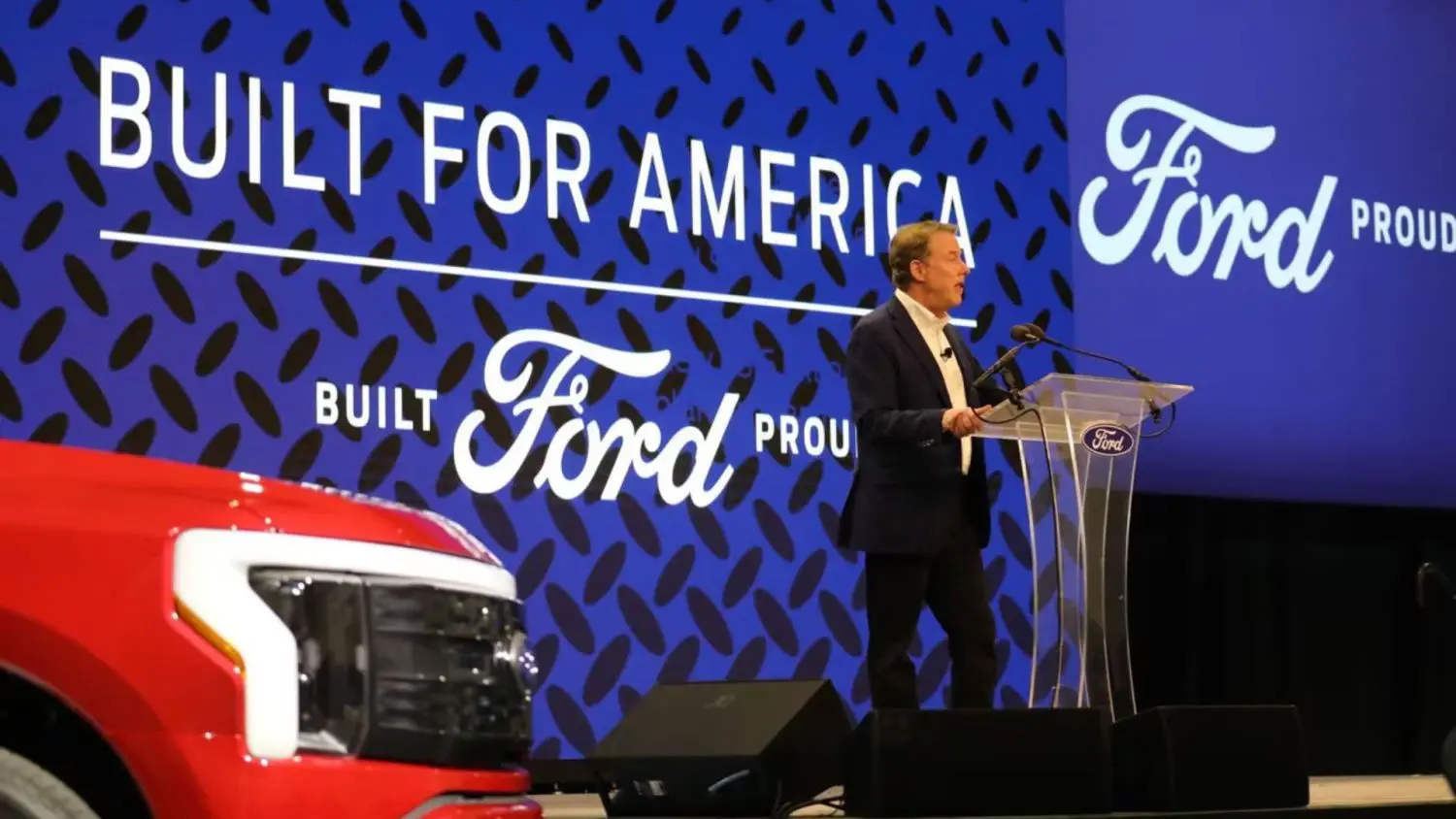
Ford Executive Chairman Bill Ford | Michigan Live

Detroit automaker, Ford, is reducing its plans for a $3.5 billion battery facility in Michigan due to the slower-than-anticipated change in consumer preference toward electric vehicles, rising labor costs, and cost-cutting measures taken by the company.

Ford executives, including Chair Bill Ford and CEO Jim Farley, announced the facility in February. Its association with Contemporary Amperex Technology, or CATL, a Chinese battery maker, made it a political target very soon. Although the facility is a fully owned Ford company, the American carmaker is licensing CATL’s technology to create new lithium iron phosphate, or LFP, batteries for EVs.

On November 21, Ford announced that it would reduce the number of jobs it expects to create from 2,500 to 1,700 and reduce its manufacturing capacity by roughly 43% to 20 gigawatt hours annually. The investment would amount to approximately $2 billion, even with the decreased capacity.

The move follows the auto industry’s ongoing global retreat from EVs. Moreover, the vehicles’ lower-than-expected demand results from several problems, including difficulties in supply chain and battery technology and increased costs.

Additionally, the carmaker revealed intentions last month to reduce or postpone investing approximately $12 billion in previously planned EV projects, including reductions at the Marshall, Michigan, facility. Additionally, the corporation intends to defer building a second electric vehicle battery plant in Kentucky.

“We examined every aspect,” Ford Chief Communications Officer Mark Truby stated, “Those included the demand and the expected growth for EVs, our business plans, our product cycle plans, the affordability, and business to ensure we can make a sustainable business out of this plant. After evaluating everything, we can confirm that we are proceeding with the plant, albeit with a slightly smaller scale and scope than what we initially announced.”
Further Reading
More from Articles
The simple 'paperwork' mistake that could cost dealers $10,000

The simple ‘paperwork’ mistake that could cost dealers $10,000

- May 13, 2026
On the Dash: CDK Global says a paperwork problem cost a dealer $10,000 during a manufacturer audit. NADA calls federal record-keeping requirements among the most burdensome rules dealers face today. ...
GM-LG battery venture recalls small group of Ohio workers as EV demand slows

GM-LG battery venture recalls small group of Ohio workers as EV demand slows

- May 13, 2026
On the Dash: EV production volatility is directly affecting supply chain employment and factory output decisions. Incentive-driven demand shifts are forcing automakers to adjust production more quickly than long-term EV...
Nissan projects return to profit after seventh straight quarterly loss

Nissan projects return to profit after seventh straight quarterly loss

- May 13, 2026
On the Dash: Nissan’s projected return to profit could improve dealer confidence after multiple quarters of financial instability. Ongoing model cuts and production restructuring may impact future inventory mix and...
New-vehicle prices rose in April, but the gains fell short of the historical average, with wide variation across brands and segments, according to Kelley Blue Book.

New-vehicle prices rise in April, but the pace is cooling

- May 13, 2026
On the Dash: New-vehicle ATP rose 1.8% year over year in April, below the 3.6% long-term average. Ford and GM posted strong gains while several luxury brands saw transaction prices...
CBT News
Privacy Overview

This website uses cookies so that we can provide you with the best user experience possible. Cookie information is stored in your browser and performs functions such as recognising you when you return to our website and helping our team to understand which sections of the website you find most interesting and useful.