
TSLA405.69016.79%
GM82.1004.05%
F12.9450.505%
RIVN17.4110.521%
CYD43.0900.7681%
HMC25.2550.895%
TM219.3906.53%
CVNA395.27533.03499%
PAG162.6706.65%
LAD286.97012.1%
AN209.06010.77%
GPI351.36515.885%
ABG213.6509.56%
SAH71.0703.7%
TSLA405.69016.79%
GM82.1004.05%
F12.9450.505%
RIVN17.4110.521%
CYD43.0900.7681%
HMC25.2550.895%
TM219.3906.53%
CVNA395.27533.03499%
PAG162.6706.65%
LAD286.97012.1%
AN209.06010.77%
GPI351.36515.885%
ABG213.6509.56%
SAH71.0703.7%
TSLA405.69016.79%
GM82.1004.05%
F12.9450.505%
RIVN17.4110.521%
CYD43.0900.7681%
HMC25.2550.895%
TM219.3906.53%
CVNA395.27533.03499%
PAG162.6706.65%
LAD286.97012.1%
AN209.06010.77%
GPI351.36515.885%
ABG213.6509.56%
SAH71.0703.7%

New car supply holds steady at Detroit-Three, despite UAW strike

Cox Automotive reports that new car supply rose to a two-year high by the start of October, despite the ongoing United Auto Workers strike
Edmunds affordability Cox Automotive reports that new car supply rose to a two-year high by the start of October, despite the ongoing United Auto Workers strike.

New car supply improved in September, defying concerns that the ongoing United Auto Workers strike would constrain inventory before the fourth quarter.

According to Cox Automotive, total new car supply rose to 2.21 million units by the start of October, the highest point since early 2021 and a year-over-year increase of 60%. Compared to the previous month, inventory increased by 7.3%. Days of supply held steady from August but improved on a year-over-year basis. At the beginning of this month, automakers carried enough new vehicles for an average of 60 days, 30.4% more than in October 2022. Traditionally, 60 days has been considered a “healthy” number for new vehicle inventory levels.

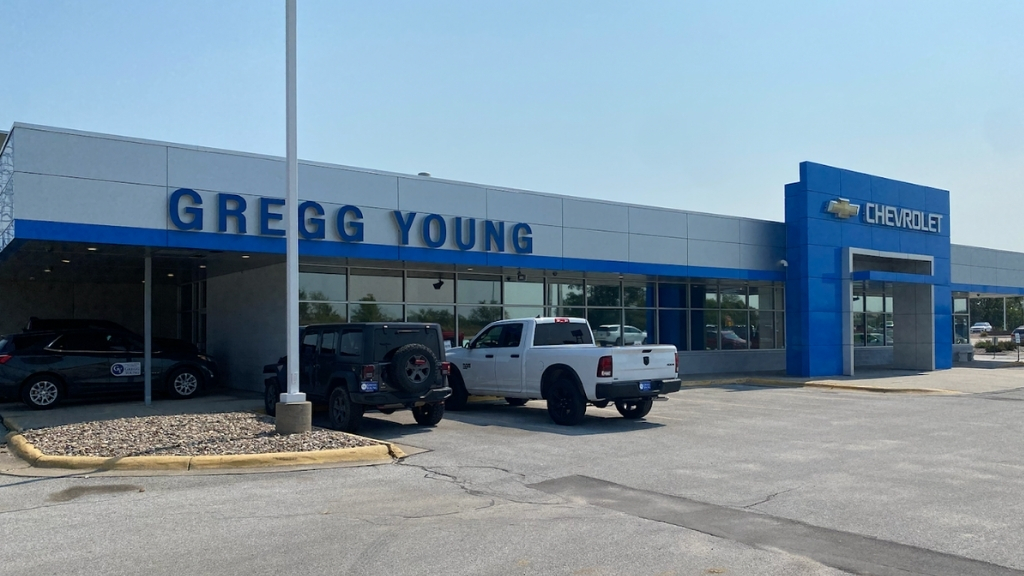
While new car supply improved on average, the production rate continued to vary heavily between automakers. Stellantis reported a supply of 111 days by the start of October, making it the most prepared for the upcoming quarter. Earlier this week, the automaker reported a sales decline of 1% compared to the previous year. Ford achieved a 90-day supply for the period, with sales increasing 7.7% in the third quarter. Of the Detroit-Three, General Motors came in last regarding inventory, although it achieved higher Q3 sales than its two rivals. By the beginning of the month, the automaker held 60 days’ worth of new vehicles. Cox Automotive notes that GM’s position is especially weakened due to shortages of in-demand, high-profit products in the Chevrolet and Cadillac lineups.

The steady improvement of new car supply indicates that manufacturing has recovered substantially from the COVID pandemic and may even be ahead of schedule. However, although the United Auto Workers strike failed to dent inventory levels by the start of October, automakers have little time left before employee walkouts take their toll. The sooner Detroit-Three and UAW leaders agree on contracts, the greater vehicle supply will be heading into November and the holiday season.


Read More
More from Articles
GM leans on global production to supply U.S. market amid cost pressures

GM leans on global production to supply U.S. market amid cost pressures

- April 17, 2026
On the Dash: Imported inventory may create variability in delivery timing and supply consistency. Trade policy shifts could impact the pricing and availability of certain models. Global production strategies may...
Volkswagen ends U.S. EV output, triggering $600 million financial hit 

Volkswagen ends U.S. EV output, triggering $600 million financial hit 

- April 17, 2026
On the Dash: Slower EV demand may impact inventory planning and turn rates for electric models. Production pullbacks could tighten EV supply or shift sourcing toward imports. Ongoing cost pressures...
March sales surge tightens inventory, affordability gaps persist

March sales surge tightens inventory, affordability gaps persist

- April 17, 2026
On the Dash: Faster March sales improved inventory flow, but demand remains uneven heading into Q2. Limited sub-$40K inventory continues to constrain volume opportunities. Rising incentives indicate growing pressure to...
Independent shops are gaining ground, but dealerships retain advantages in expertise, loyalty, and digital tools: New CDK Service Shopper 5.0 survey shows

Independent shops gain ground as dealerships face mounting pressure

- April 17, 2026
On the dash: Independent shops are gaining share, but dealerships still lead at 42% overall service volume. Dealerships win on expertise, OEM parts access, EV repairs, and stronger customer loyalty...
CBT News
Privacy Overview

This website uses cookies so that we can provide you with the best user experience possible. Cookie information is stored in your browser and performs functions such as recognising you when you return to our website and helping our team to understand which sections of the website you find most interesting and useful.