On the Dash:
- Faster March sales improved inventory flow, but demand remains uneven heading into Q2.
- Limited sub-$40K inventory continues to constrain volume opportunities.
- Rising incentives indicate growing pressure to support sales, especially for higher-priced units.
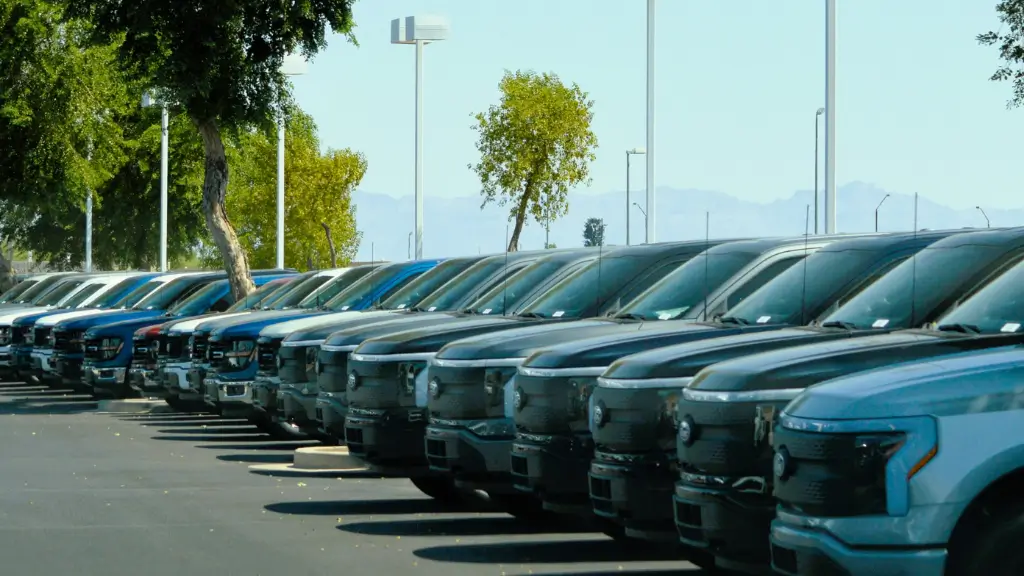
The U.S. new-vehicle market entered April with a cleaner inventory position following a stronger sales pace in March, which helped reduce elevated days’ supply despite a modest increase in overall inventory levels, according to Cox Automotive.
Total industry inventory reached 2.89 million units in March, up 1.3% from 2.85 million units in February. Days’ supply tightened significantly to 79 days, down from an upwardly revised 96 days in February and 94 days in January, reflecting a 17.7% month-over-month decline. The improvement was driven by a roughly 36% increase in implied industry sales compared to February, following a sluggish start to the year impacted by winter weather.
On a year-over-year basis, inventory levels were 6.1% higher, while days’ supply rose 11.4% compared to March 2025. However, comparisons remain skewed by last year’s tariff-related pull-ahead purchases, which temporarily reduced inventory and inflated sales activity.
Despite the improved inventory flow, affordability constraints continue to shape market dynamics. Inventory remains tight for vehicles priced under $40,000, driven by a combination of discontinued models, ongoing sell-downs ahead of 2026 redesigns, and the disproportionate impact of tariff policies on lower-cost vehicles, many of which are produced outside the U.S. Automakers are increasingly managing supply strategically to address these pressures.
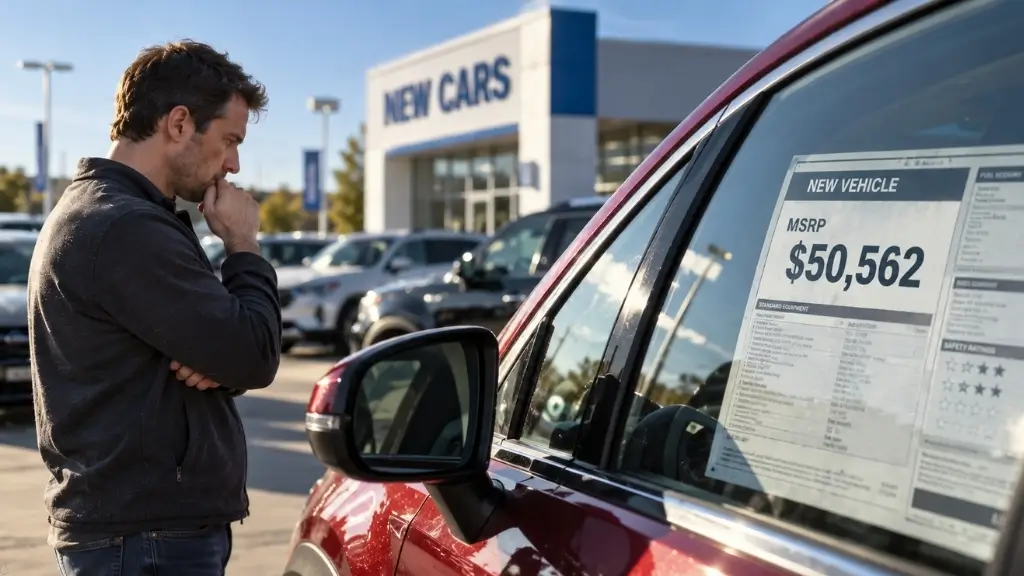
Pricing trends reflect a market influenced more by inventory mix than by true pricing power. The average listing price held steady at $48,667, while the average transaction price rose 3.4% year over year to $49,275. The average MSRP increased 3.9% to $51,456. These gains are largely attributed to a higher concentration of trucks and SUVs and fewer entry-level vehicles, rather than broad-based price increases.
Simultaneously, incentive spending increased to $3,541 per vehicle in March, or 7.2% of the average transaction price, up from $3,388 or 6.9% in February. The rise in both the dollar amount and the share of the transaction price indicates that automakers are relying more on targeted incentives to support sales, particularly for higher-priced inventory.
While March’s performance helped stabilize inventory conditions, the broader market remains uneven. Demand is holding for competitively priced vehicles, particularly in lower price segments where supply is limited, but higher-priced inventory continues to require additional support. Heading into the second quarter, the market’s trajectory will depend less on overall volume and more on how effectively inventory aligns with current consumer demand.