TSLA380.1100.37%
GM84.0500.38%
F11.340-0.23%
RIVN11.880-0.22%
CYD22.1000.77%
HMC33.820-0.48%
TM213.120-0.73%
CVNA71.1000.36%
PAG212.2700.27%
LAD293.6000.82%
AN176.460-1.61%
GPI258.440-2.17%
ABG196.870-0.33%
SAH58.6500.52%
TSLA380.1100.37%
GM84.0500.38%
F11.340-0.23%
RIVN11.880-0.22%
CYD22.1000.77%
HMC33.820-0.48%
TM213.120-0.73%
CVNA71.1000.36%
PAG212.2700.27%
LAD293.6000.82%
AN176.460-1.61%
GPI258.440-2.17%
ABG196.870-0.33%
SAH58.6500.52%
TSLA380.1100.37%
GM84.0500.38%
F11.340-0.23%
RIVN11.880-0.22%
CYD22.1000.77%
HMC33.820-0.48%
TM213.120-0.73%
CVNA71.1000.36%
PAG212.2700.27%
LAD293.6000.82%
AN176.460-1.61%
GPI258.440-2.17%
ABG196.870-0.33%
SAH58.6500.52%

Car owner satisfaction declines for second year in J.D. Power study

Car owner satisfaction declined for the second year in a row in 2023, according to the J.D. Power APEAL study.

Car owner satisfaction declined for the second year in a row, according to the J.D. Power Automotive Performance, Execution and Layout (APEAL) Study.

It is the first time in nearly three decades that the annual study has displayed two consecutive years of decline. Between 2022 and 2023, car owner satisfaction shed two points after falling one point in 2021. While the movement is slight given the APEAL study’s 1,000-point scale, Frank Hanley, senior director of auto benchmarking at J.D. Power, believes that a trend is beginning to form. “The decline in consecutive years might look small, but it’s an indicator that larger issues may lie under the surface,” he writes. “This downward trajectory of satisfaction should be a warning sign to manufacturers that they need to better understand what owners really want in their new vehicles.”

Mass market brands saw a faster deterioration in car owner satisfaction scores than premium and luxury manufacturers, although both segments were affected by the trend. Electric vehicles saw improvements from the previous year, with consumers rating their battery-powered models two points higher than in 2022. However, while the gap has shortened, EVs remain three points behind petrol vehicles in perceived quality. Though relatively new to the study, Tesla saw its scores slip nine points from last year, although its products retain an edge over others in the market. Out of all those included in J.D. Power’s research, the four highest-rated brands were Jaguar, Land Rover, Porsche and BMW.

The study comes amidst a tidal wave of innovation in the automotive space. It is possible that electric vehicle incentives, high-tech design trends and an influx of wealthy customers have encouraged manufacturers to speed up the development process and launch visually impressive but structurally questionable products. While the current market may favor these tactics, it is unlikely to be sustainable long term. If brands are unable to prevent more significant declines in car owner satisfaction, they may lose out to companies that prioritize quality.

Read More

More from Articles

Five Star Automotive Group acquires seven Indiana dealerships from Dreyer & Reinbold

- November 17, 2026
Five Star Automotive Group acquired seven metro Indianapolis dealerships and their related real estate from Dreyer & Reinbold Inc. on November 16, 2026. The transaction includes BMW, Infiniti and Mini...
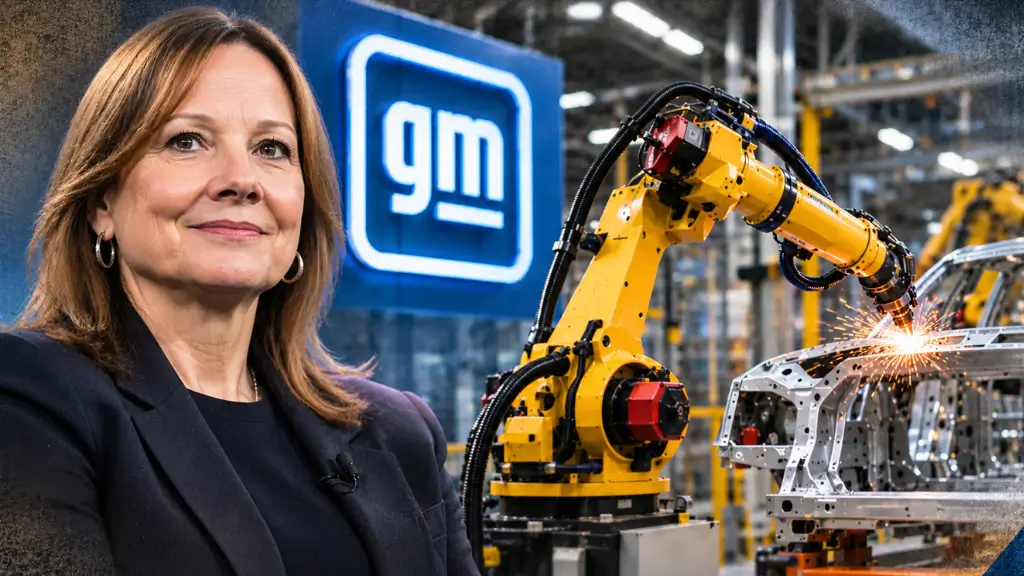
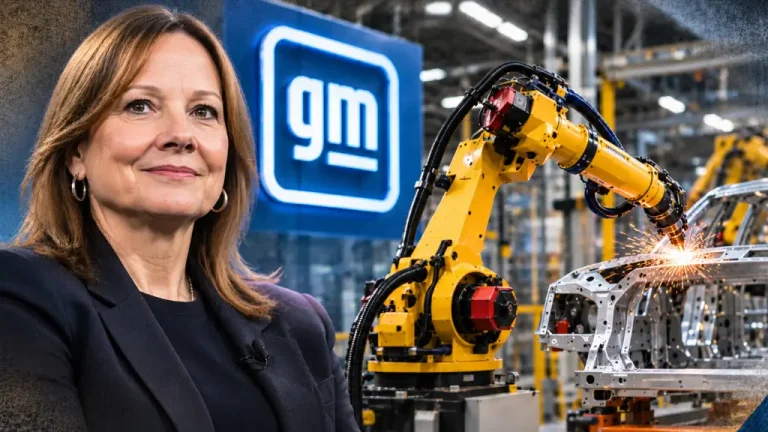
GM targets 20% increase in factory automation by 2028

GM targets 20% increase in factory automation by 2028

- November 17, 2026
On the Dash: GM aims to increase the use of robots and other automation at its North American factories by 20% by 2028. The automaker is developing and assembling its...
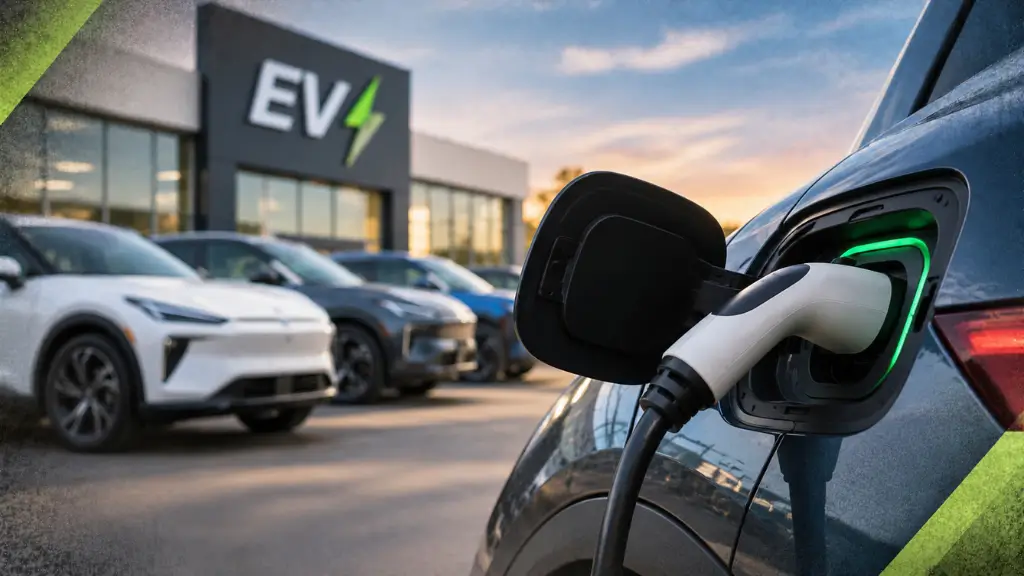
Used EV sales surge as new-vehicle market shows first annual gain of 2026

Used EV sales surge as new-vehicle market shows first annual gain of 2026

- November 17, 2026
On the Dash: New EV sales reached an estimated 83,262 units, up 3% year over year but down 3.9% from September. It was the first annual increase of 2026. Used...
Mercedes-Benz sets 330,000 U.S. sales goal for 2027

Mercedes-Benz sets 330,000 U.S. sales goal for 2027

- November 17, 2026
On the Dash: Mercedes-Benz's U.S. sales target for 2027 is more than 330,000 retail units. Growth must come from conquest sales in a flat luxury market, especially first-time buyers. Dealers...

Add us as a preferred source on Google

CBT News
Privacy Overview

This website uses cookies so that we can provide you with the best user experience possible. Cookie information is stored in your browser and performs functions such as recognising you when you return to our website and helping our team to understand which sections of the website you find most interesting and useful.