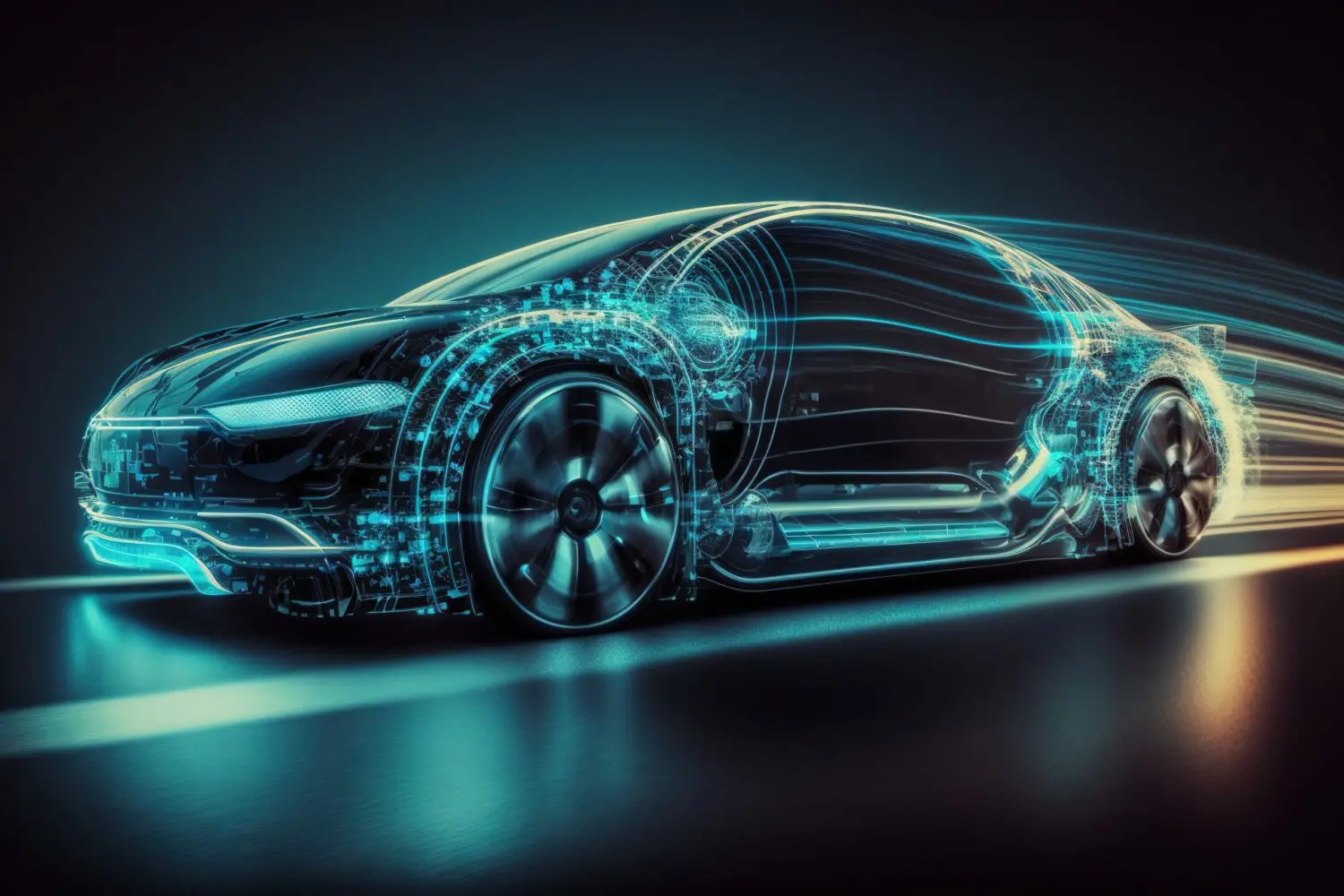
In a world where innovation takes center stage, attention is turning to the intersection of artificial intelligence (AI) and the automotive industry. To many in the auto industry, the fusion of AI-generated art and car design is undeniably the industry’s future.
As a result, automakers are harnessing the power of cutting-edge technology to create vehicles that push the boundaries of creativity and functionality. If the designed-by-Al and 3D-printed Czinger’s 21C is what the future looks like, then maybe there’s hope.
Is Data Intuitive or Unbiased?
Artificial intelligence has made significant strides in various fields, including healthcare, finance, and entertainment. However, the automotive world is just beginning to scratch the surface of AI’s potential. For car enthusiasts and industry leaders alike, this is the dawn of a new era in which AI-generated art can transform how we think about car design.
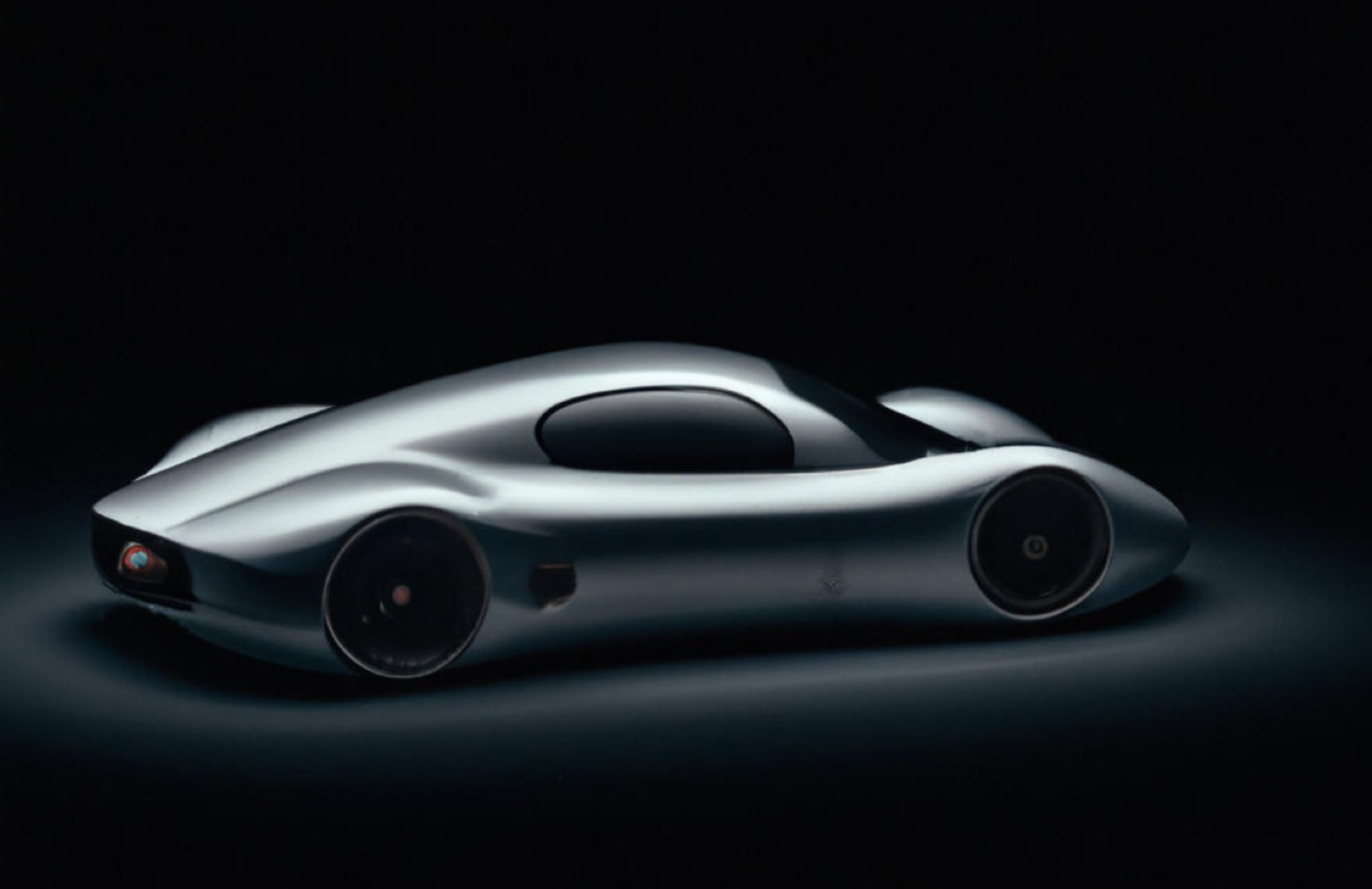
The Apple Car designed by the Dall-E 2 artificial intelligence platform, based on a text prompt from designer, educator, and YouTuber John Mauriello
Automakers and designers have long relied on their intuition and expertise to create vehicles that stand out in the market. But with the introduction of AI-generated art, this process has taken a quantum leap. AI algorithms can analyze vast amounts of data, including previous designs, consumer preferences, and industry trends, to create once unimaginable and visually stunning concepts. However, as this AI-designed Apple Car attests, it’s evident that AI still needs human intuition.
The potential beauty of AI-generated art in car design lies in its ability to generate innovative ideas without human bias, although some say that biased data is everywhere. However, proponents suggest that by removing subjectivity from the equation, AI systems can create designs that blend form and function in unprecedented ways.
This could lead to vehicles that offer a perfect balance between aesthetics and practicality, with eye-catching and aerodynamically efficient designs. But what if concepts are based on someone’s information that the AMC Pacer, an automotive legend, was the pinnacle of car design?
Shorter Development Cycles. Better Safety.
Insufficient information and lousy taste aside, one of the most significant advantages of incorporating AI-generated art into the automotive design process is the potential to reduce development times drastically.
Traditionally, car designers would spend months or even years fine-tuning a concept with countless revisions and iterations. With AI-generated art, this process can be condensed into a fraction of the time, allowing automakers to bring new models to market more rapidly.
The future of car design is not solely about aesthetics, however. AI-generated art also offers the potential to optimize performance, safety, and sustainability.
By analyzing data from crash tests and real-world driving conditions, AI systems can suggest design improvements that enhance passenger safety while maintaining a vehicle’s visual appeal. Furthermore, AI-generated art can help automakers develop more sustainable designs by optimizing materials usage and identifying ways to reduce carbon emissions.
The Future Awaits
Automakers must continually innovate in an increasingly competitive marketplace to stay ahead of the curve. The adoption of AI-generated art in car design signals a new direction for the industry as companies embrace advanced technology to create vehicles, they hope will capture the hearts and minds of consumers.
So, either we’re headed toward a Golden Age of automotive design, or every vehicle will look like a Tesla Model X. Or maybe a Pacer. It’s a brave new world.