On the Dash:
- US-Canada trade talks will not change course after Democrats won Congress, Canada’s trade minister said.
- Auto tariffs on Canadian-built vehicles remain unresolved after August’s collapsed talks.
- Dealers should plan for tariff cost pressure on pricing and inventory until a deal is signed.
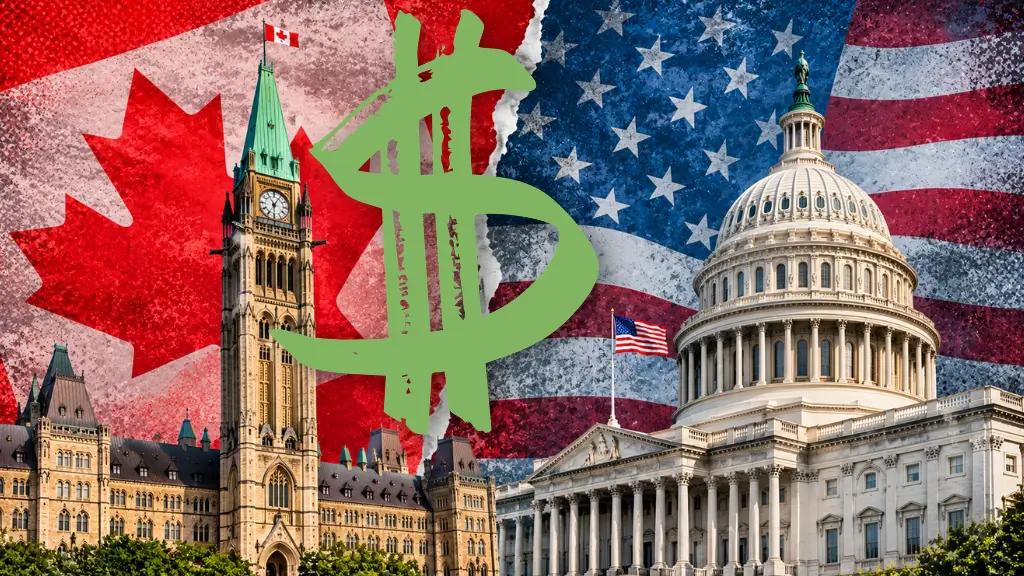
Canada says the U.S. midterm results won’t change its approach to trade talks with Washington. According to a Reuters report, Dominic LeBlanc, the Canadian Minister in charge of U.S. trade ties, said the outcome won’t significantly affect his government’s focus and work.
While Democrats won control of both the Senate and the House of Representatives, they blamed rising costs on the war with Iran and on President Donald Trump’s tariffs on goods from major trading partners such as Canada.
Canada holds its position as talks continue
Canada is keeping its trade position steady while talks with Washington continue. LeBlanc told reporters Wednesday that the midterm results won’t shift his government’s work. Instead, LeBlanc plans to speak with U.S. Commerce Secretary Howard Lutnick and Trade Representative Jamieson Greer over the next few days. Trump said Tuesday that the United States is close to making a trade deal with Canada.
Meanwhile, Canadian Prime Minister Mark Carney said work remained and that Washington had dropped some demands. Trump and Carney also signaled progress in a conversation over the weekend, where Carney said both teams will work on an agreement in the coming weeks. But it’s important to note that finalized terms have not been announced.
Auto tariffs remain unresolved
Auto tariffs remain unresolved in U.S.-Canada talks. In August, negotiators weighed cutting the 25% tariff on Canadian-built vehicles to 15%. Industry officials said a broader deduction for North American content could push the effective rate into single digits. The talks then collapsed on Aug. 23, as the U.S. imposed 50% tariffs on about $20 billion worth of Canadian goods, and Carney announced retaliatory tariffs starting Sept. 8.
GM and Ford both operate Canadian assembly plants, which leaves them directly exposed to the unresolved tariffs. Tariffs have also become a major issue in northern border states such as Michigan and Maine ahead of the midterms.
Dealers face continued tariff cost pressure
According to Cox Automotive, tariffs added $30 billion in costs over about a year and pushed average MSRP up 10.4%. Consumers paid 5.9% more on average, and dealers absorbed 4.5%. Meanwhile, the future of USMCA adds to the uncertainty, with Trump saying in June that he was not looking to renew the agreement. If the parties don’t confirm renewal, the pact moves into annual reviews and expires in 2036. However, for now, it remains in force.