On the Dash:
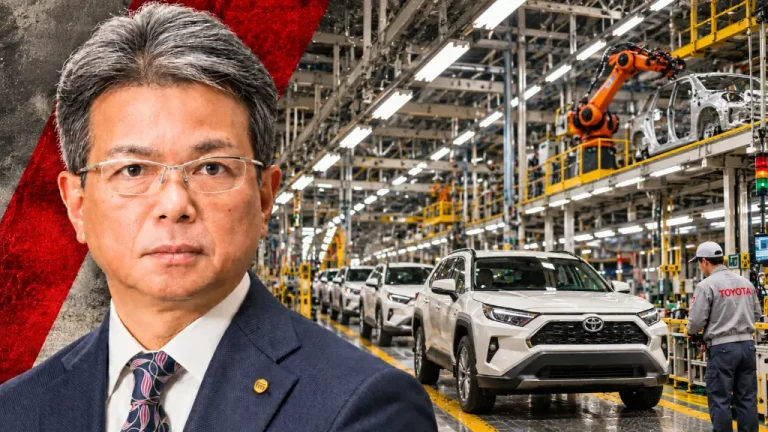
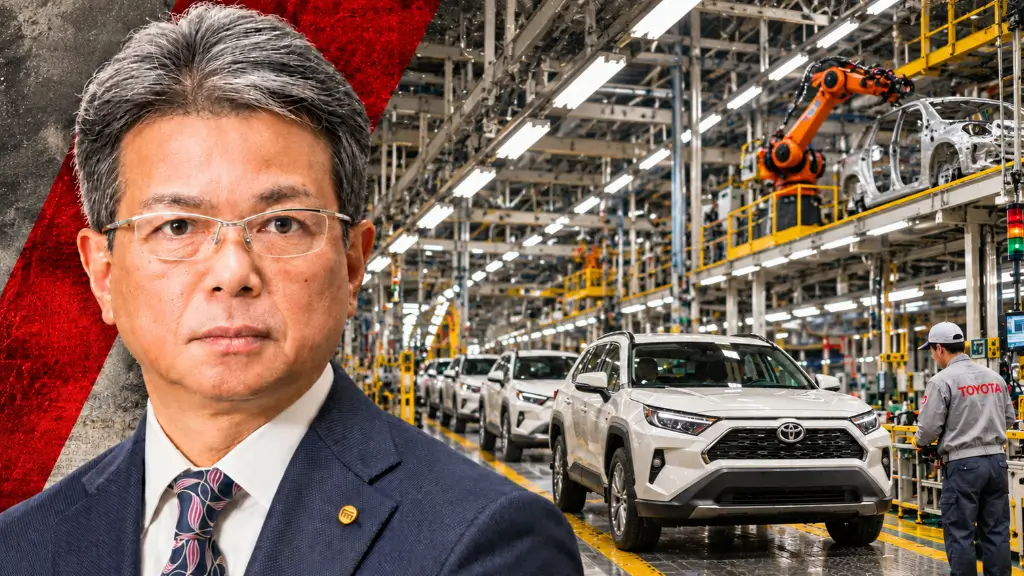
- Toyota raised its fiscal-year net profit forecast to 3.57 trillion yen, or approximately $22.5 billion, from its previous estimate of 3.25 trillion yen.
- Third-quarter operating profit increased 34% to 1.128 trillion yen, or approximately $7.1 billion, despite lower vehicle sales and disruptions tied to the Iran war.
- Toyota is expanding U.S. manufacturing, including a $3.6 billion investment to bring Tacoma production to Texas by 2030, as it works to reduce tariff exposure.
According to Toyota’s earnings report released Thursday, the automaker raised its net profit forecast for the fiscal year ending in March 2027 to 3.57 trillion yen (about $22.6 billion), up from its previous estimate of 3.25 trillion yen (~$20.6 billion). The revised outlook still points to a 7.2% decline from the prior fiscal year, but that drop is smaller than the one Toyota projected in August.
Simultaneously, the automaker trimmed its annual group vehicle sales forecast to 10.99 million units from 11.18 million units. Investors responded quickly, and shares in Tokyo rose nearly 17%, marking the automaker’s largest one-day percentage gain since 1987.
Behind the forecast increase, operating profit for the three months ending in September climbed 34% to 1.128 trillion yen (~$7.1 billion), and revenue rose 8.6% to 13.437 trillion yen (~$85 billion) even as vehicle sales declined, particularly in China. Net profit, however, fell 18.5% to 759.4 billion yen (~$4.79 billion), short of analysts’ estimate of 779.6 billion yen.
Currency movements helped offset that pressure, as a weaker yen has aided Japanese exporters by making overseas shipments more competitive and increasing the yen value of profits earned abroad. Over the past five years, the yen has depreciated approximately 28% against the U.S. dollar. Toyota Chief Financial Officer Yoichi Miyazaki said the company sees additional opportunities to reduce costs.
Toyota has also worked to limit the fallout from the conflict in the Middle East. The automaker has established alternative delivery routes to shorten the time required to deliver vehicles to customers in the region. Miyazaki said the company hasn’t fully recovered from the effects of U.S. tariffs and the situation in the Middle East. Even so, Toyota’s leadership said it will keep its focus on delivering vehicles to customers, despite potential policy changes in the United States following the midterm elections.
Meanwhile, Toyota is increasing its production capacity in the United States. After announcing in November 2025 that it would invest up to $10 billion in the country over the next five years, the automaker said in July that it will spend $3.6 billion to expand its San Antonio plant and shift Tacoma production from Mexico to the U.S. by 2030. The expansion will add a second vehicle assembly line at the plant, which already builds the Tundra and Sequoia.