On the Dash:
- Volkswagen’s restructuring reflects the broader cost pressures forcing automakers to rethink manufacturing, investments, and operations.
- Potential changes to production and vehicle lineups could affect dealer inventory strategies and future product planning.
- Rising competition from Chinese automakers is pushing legacy brands to improve efficiency, pricing, and technology faster.
Volkswagen faces a critical decision as executives, labor leaders, and government representatives debate a massive restructuring plan.
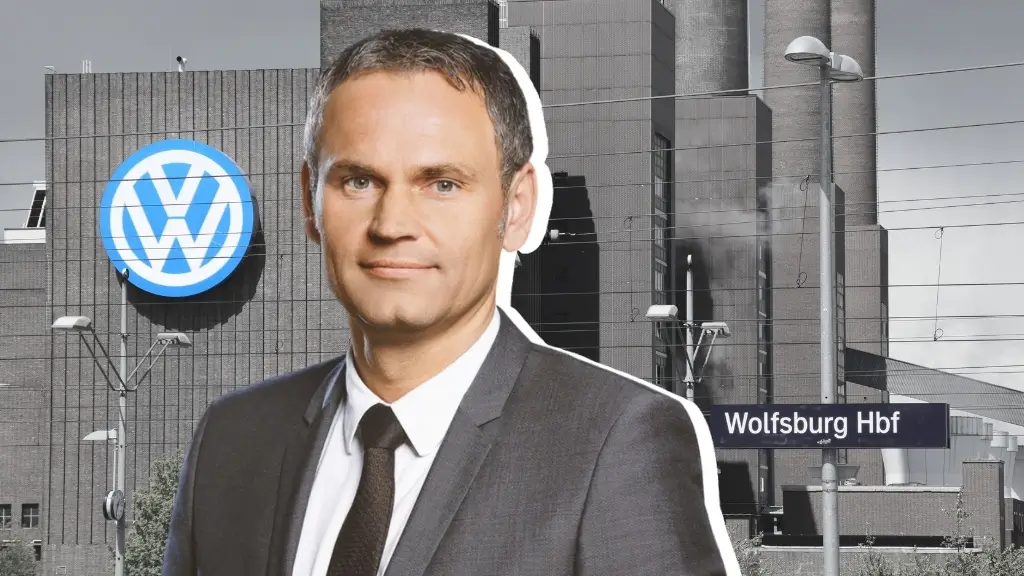
CEO Oliver Blume is expected to defend proposals Thursday that could eliminate up to 100,000 jobs and close four German factories, according to a Bloomberg report. The factories include Volkswagen’s plants in Zwickau, Emden and Hanover, plus Audi’s Neckarsulm site.
The proposed changes would affect the automaker’s broader portfolio, including Audi and Porsche, as the company looks to improve efficiency and remain competitive against global rivals, particularly Chinese automakers. However, workers and union leaders oppose the proposed restructuring, arguing that employees should not bear the burden of Volkswagen’s challenges.
Labor pushes back on restructuring
Notably, IG Metall union organized protests across Germany, with hundreds of workers gathering near Volkswagen’s headquarters in Wolfsburg to oppose possible factory closures and job cuts. Meanwhile, the automaker’s works council chief Daniela Cavallo said employees faced uncertainty and called on company leaders and policymakers to protect Germany’s industrial workforce.
However, the automaker said it understands employee concerns but must reduce complexity, adjust capacity, and streamline operations to strengthen long-term competitiveness.
On the other hand, VW faces mounting structural pressure as Chinese automakers, such as BYD, expand their presence in Europe, eroding the German automaker’s sales and profits in China. Additionally, the company expects U.S. tariffs on imported vehicles to remain a long-term challenge, adding pressure to improve its cost structure.
Capacity concerns loom
Analysts say Volkswagen must accelerate reforms as traditional advantages from scale and manufacturing volume become less effective in a changing automotive market. Volkswagen previously agreed with labor representatives to avoid German plant closures through 2030, creating additional challenges for management as it seeks deeper reductions.
The company has explored alternatives for underused facilities, including potential partnerships and new production opportunities, but capacity concerns remain. Nevertheless, Volkswagen expects its German plants to operate below full capacity in the coming years, increasing pressure for additional adjustments.