TSLA418.520-5.17989%
GM83.3001.6%
F15.345-0.365%
RIVN18.4170.1465%
CYD58.0750.405%
HMC27.9450.235%
TM179.070-1.15%
CVNA65.0401.39%
PAG171.350-0.53%
LAD289.885-0.785%
AN188.745-1.505%
GPI306.3800.63%
ABG188.6001.68%
SAH84.2300.94%
TSLA418.520-5.17989%
GM83.3001.6%
F15.345-0.365%
RIVN18.4170.1465%
CYD58.0750.405%
HMC27.9450.235%
TM179.070-1.15%
CVNA65.0401.39%
PAG171.350-0.53%
LAD289.885-0.785%
AN188.745-1.505%
GPI306.3800.63%
ABG188.6001.68%
SAH84.2300.94%
TSLA418.520-5.17989%
GM83.3001.6%
F15.345-0.365%
RIVN18.4170.1465%
CYD58.0750.405%
HMC27.9450.235%
TM179.070-1.15%
CVNA65.0401.39%
PAG171.350-0.53%
LAD289.885-0.785%
AN188.745-1.505%
GPI306.3800.63%
ABG188.6001.68%
SAH84.2300.94%

Volkswagen reveals strong sales forecast after last year’s success

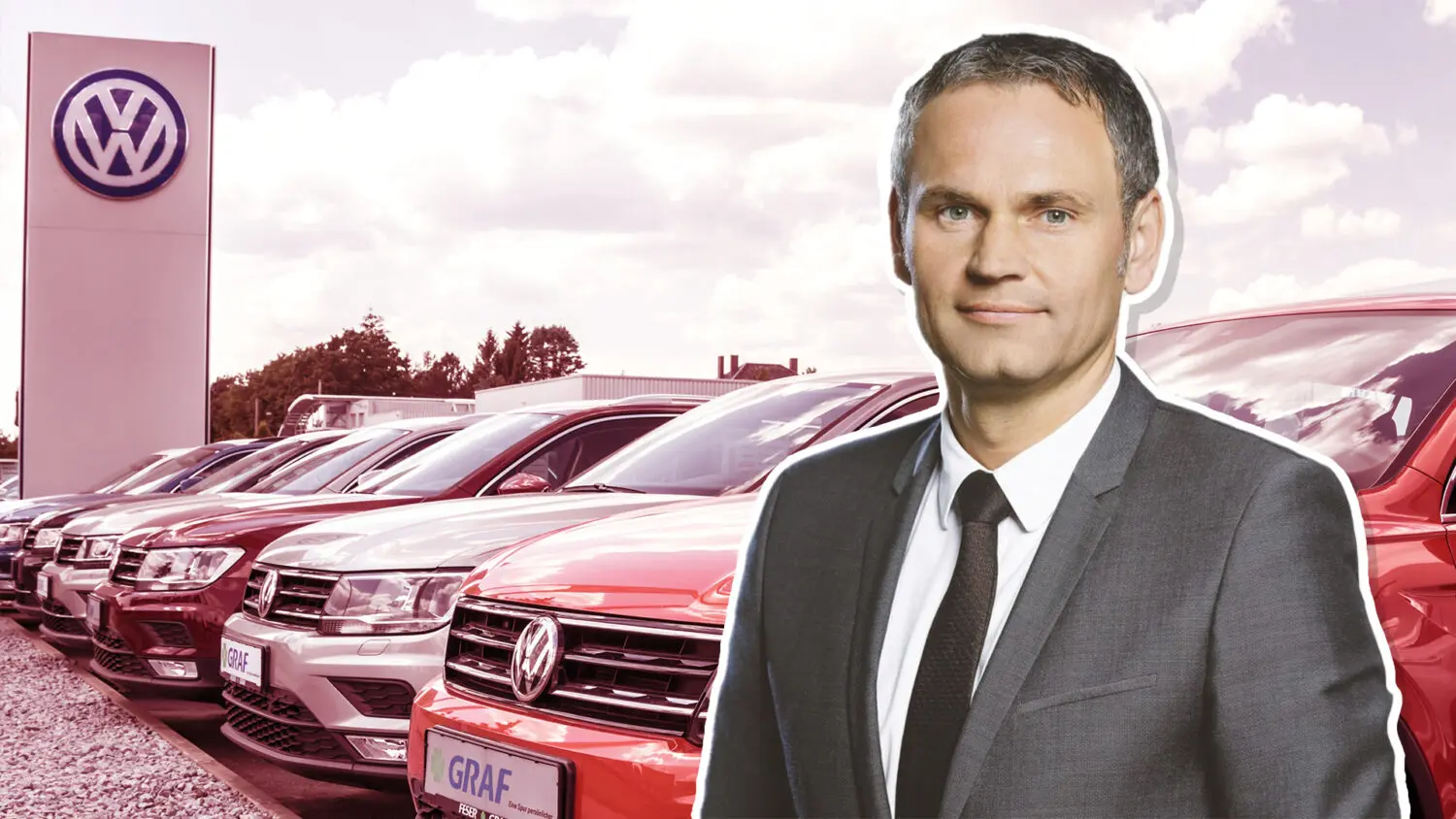
Volkswagen has forecast sales 10% to 15% higher than in 2022, with an anticipated revenue range of 307 billion euros and 331 billion euros
sales forecast

Volkswagen announced a strong sales forecast for 2023, anticipating revenue between 307 billion euros ($326 billion) and 331 billion euros ($352 billion).

The news comes nearly a month after the German automaker posted its full year financial results for 2022, which revealed a better-than-expected earnings margin of 8.1%, and two months after the release of the brand’s annual sales numbers, which dropped to the lowest in a decade. These conflicting statistics originally concerned company executives, who feared the logistical and economical conditions hampering the industry in 2022 would continue into the new year. With the arrival of its new sales forecast, however, these worries seem to have dissolved.

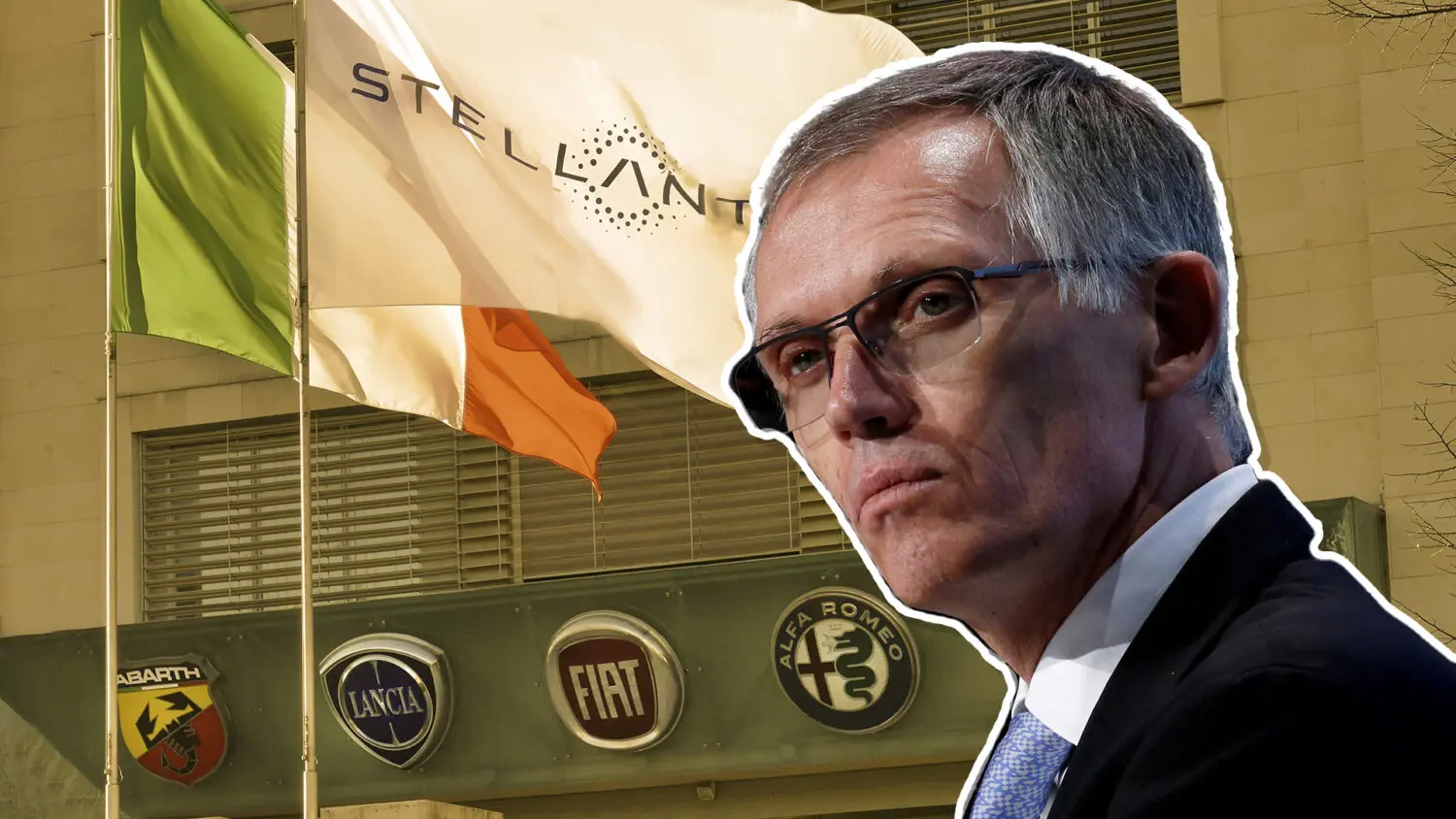
Volkswagen now expects to see revenue increase 10% to 15% year-over-year, with deliveries increasing 14% to 9.5 million units. This optimistic sales forecast caused shares to rise 10.6%, their highest since last November. The change in attitude is likely due to the car market’s unseasonably strong performance in January and February, which for some automakers, such as Hyundai, were record breaking in terms of sales. The annual reports of other global companies, such as Stellantis and Honda, may have also played a role in this shift, since both reported substantial growth in 2022 despite the logistical issues faced by the industry.

Other brands, however, such as Ford and Toyota, are likely to retain a more cautious stance for the foreseeable future. Both companies lost ground in 2022 due to supply chain disruptions, and have subsequently announced recovery-focused strategies. Of the two, Toyota has the more precarious position on the global stage, with its title as the world’s best-selling automaker being hungrily watched by the confidence-boosted Volkswagen, who has been stuck in the runner-up position for three years.
Read More
More from Articles
Digital becomes the new front door for auto insurance shopping, as nearly half of new auto policies are bought online, JD Power finds

Digital becomes the new front door for auto insurance shopping, as nearly half of new auto policies are bought online, JD Power finds

- June 4, 2026
Customers getting more quotes than ever before (3.5 on average) A competitive price is key to keeping customers engaged States in the South show high shop and switch rates TROY, Mich.--(BUSINESS...
Hyundai expands dealer reach with mobile service vans

Hyundai expands dealer reach with mobile service vans

- June 4, 2026
On the Dash: Hyundai is targeting 150 dealer-operated mobile service units nationwide by the end of 2026. Factory-trained technicians perform approved repairs and maintenance at customers' homes or workplaces. Mobile...
Ford U.S. sales fall 14% in May as EV, hybrid, truck demand softens

Ford U.S. sales fall 14% in May as EV, hybrid, truck demand softens

- June 4, 2026
On the Dash: Ford's EV sales slowdown continues, with Mustang Mach-E and F-150 Lightning posting steep year-over-year declines. Hybrid sales also fell, signaling broader softness beyond battery-electric vehicles. Explorer, Maverick...
Automakers back EPA emissions delay, urge swift rewrite of vehicle rules

Automakers back emissions delay as dealers navigate EV uncertainty

- June 4, 2026
On the Dash: Automakers support delaying stricter emissions standards until 2029, citing market conditions and slower-than-expected EV adoption. Regulatory changes could give manufacturers greater flexibility to prioritize gas-powered and hybrid...