TSLA391.060-3.4%
GM77.7200.08%
F14.1800%
RIVN17.090-0.71%
CYD44.720-1.15%
HMC28.7700.88%
TM179.7602.84%
CVNA70.6400.05%
PAG204.7504.35%
LAD339.1607.79%
AN209.0005.46%
GPI331.65012.25%
ABG226.6608.23%
SAH102.8103.08%
TSLA391.060-3.4%
GM77.7200.08%
F14.1800%
RIVN17.090-0.71%
CYD44.720-1.15%
HMC28.7700.88%
TM179.7602.84%
CVNA70.6400.05%
PAG204.7504.35%
LAD339.1607.79%
AN209.0005.46%
GPI331.65012.25%
ABG226.6608.23%
SAH102.8103.08%
TSLA391.060-3.4%
GM77.7200.08%
F14.1800%
RIVN17.090-0.71%
CYD44.720-1.15%
HMC28.7700.88%
TM179.7602.84%
CVNA70.6400.05%
PAG204.7504.35%
LAD339.1607.79%
AN209.0005.46%
GPI331.65012.25%
ABG226.6608.23%
SAH102.8103.08%

Toyota ramping up electrification efforts, considers U.S. EV factory

According to reports, the U.S. EV factory would open in 2025 and build 10,000 electric SUVs a month by 2026
U.S. EV factory

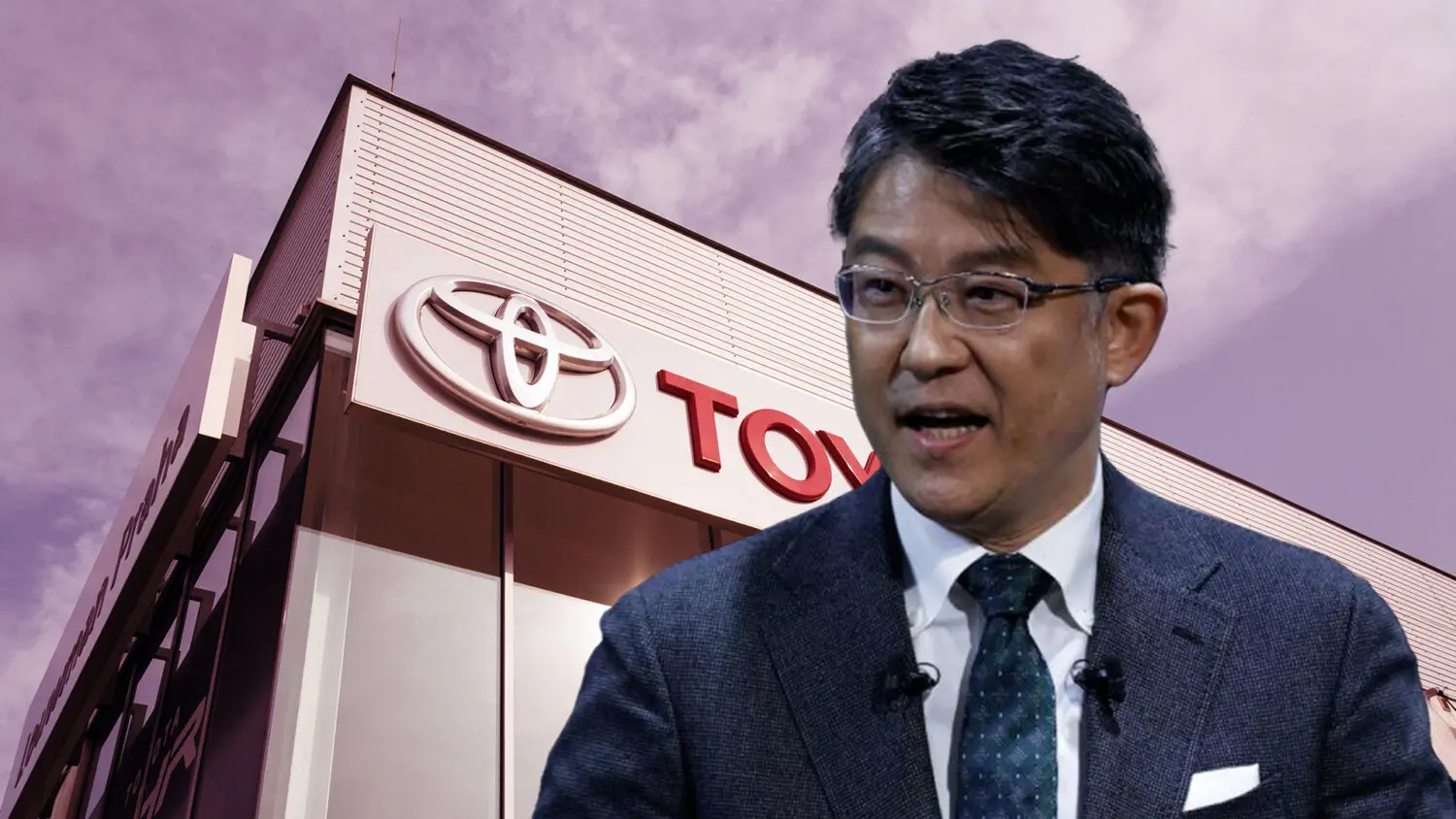
Upcoming Toyota CEO Koji Sato is reportedly considering refitting one of its U.S. facilities to manufacture EVs, as he prepares to accelerate the automaker’s electrification strategy.

Despite an industry-wide push to induce an electric vehicle transition, the automaker’s outgoing chief, Akio Toyoda, refused to join other brands in their EV enthusiasm, predicting that consumer interest would take much longer to coalesce. Instead, Toyota focused on hybrid vehicles, but as other competitors posted increasingly enviable EV sales, the Japanese company seemed to become keenly aware it was at risk of being abandoned. Last year was likely the breaking point, after most brands reported EV deliveries in the hundreds of thousands to the millions, while Toyota only sold 24,000 total. Sato, the former chief branding officer at Lexus, is set to take over Toyoda’s position first thing in April, and has confirmed the company will be “accelerating the shift to electrification” with “concrete actions and products.”

Japanese news platform Nikkei Business reported that Sato’s new plans include a U.S. EV factory, to be operational by 2025. This facility would upgrade the still operating Toyota Motor Manufacturing, Kentucky, Inc. (TMMK) plant to allow for electric SUV production, with an annual target of 200,000 by 2026. Although Toyota has declined to confirm any of these details and noted that a final decision had yet to be reached on the matter, Nikkei noted that the move to expand TMMK’s production abilities would allow the brand’s vehicles to qualify for tax credits in the Biden Administration’s Inflation Reduction Act. Many other automakers have expanded manufacturing efforts in the U.S. as a result of the legislation, which requires a majority of a vehicle’s components to be domestically sourced. With Sato’s arrival just over a month away, and investors anxiously awaiting details on the company’s new direction, an official announcement is likely to arrive soon.
Further Reading

Did you enjoy this article? Please share your thoughts, comments, or questions regarding this topic by connecting with us at newsroom@cbtnews.com.

Be sure to follow us on Facebook, LinkedIn, and TikTok to stay up to date.

While you’re here, don’t forget to subscribe to our email newsletter for all the latest auto industry news from CBT News.

More from Articles
New-vehicle affordability slips in June as prices, loan rates climb

New-vehicle affordability slips in June as prices, loan rates climb

- July 17, 2026
On the Dash: New-vehicle affordability declined slightly in June as prices and loan rates outweighed income growth Affordability still beat last year, thanks to 4.1% income growth and lower...
Ford files patent for smart tool tracking system in vehicles

Ford files patent for smart tool tracking system in vehicles

- July 16, 2026
On the Dash: Ford patented a system (US 12,682,191) that tells tool theft from tag failure using sensor data. The system checks toolbox temperature and door/window status before issuing a...
Bosch announces $225 million direct funding agreement with the U.S. Department of Commerce

Bosch announces $225 million direct funding agreement with the U.S. Department of Commerce

- July 16, 2026
ROSEVILLE, Calif., July 13, 2026 /PRNewswire/ -- Bosch, a leading provider of technology and services and the largest automotive supplier in the world according to external rankings, announced a definitive agreement...
Stellantis to prioritize four core brands in turnaround strategy, sources say The automaker plans to shift funding toward Jeep, Ram, Peugeot, and Fiat while maintaining its broader portfolio. On the Dash: Expect increased product investment and marketing support for Jeep, Ram, Peugeot and Fiat. Regional and niche brands may see reduced volume but more targeted positioning and shared platforms. Platform-sharing and rebadging strategies could affect inventory mix and model differentiation. Stellantis will concentrate most of its investment on four core brands as CEO Antonio Filosa pushes a turnaround strategy set for release May 21, according to a Reuters exclusive. The automaker has identified Jeep, Ram, Peugeot, and Fiat as its priority brands. It will allocate a “material increase” in funding to them, driven by their stronger global sales and profitability, marking a shift away from the company’s previous approach of distributing investment more evenly across its portfolio. Sign up for CBT News’ daily newsletter and get the latest industry stories delivered straight to your inbox. Stellantis will retain its 14-brand lineup, the largest in the industry, and will not shut down underperforming marques. Instead, the company will reposition secondary brands such as Citroën, Opel and Alfa Romeo to operate in regional or niche roles. These brands will rely on shared platforms and technology developed by the core brands while maintaining distinct styling and market identity. The strategy comes as Stellantis works to regain market share in the United States and Europe while facing growing competition from Chinese EV makers. The company earlier reported a 22.2 billion-euro charge tied to scaling back its EV plans, underscoring the urgency of the strategic shift. Its market valuation has also declined significantly in recent months. To support the transition, Stellantis will expand its use of shared “multi-energy” platforms that support electric, hybrid and internal combustion (ICE) vehicles. Additionally, the company is evaluating rebadging strategies and joint development programs, including collaborations with its Chinese partner, Leapmotor. Executives and investors backing the plan expect the increased focus on core brands to improve efficiency and strengthen financial performance. Analysts say Stellantis could still consider further consolidation if results fall short of expectations. Meta description (140 characters) Stellantis to boost funding for Jeep, Ram, Peugeot and Fiat, shifting strategy while maintaining its 14-brand global portfolio.

Stellantis revives supplier rewards program to drive cost savings

- July 16, 2026
On the Dash: Lower supplier costs could help Stellantis improve profitability while funding future vehicle launches. Changes in supplier contracts may influence production costs, parts pricing and vehicle availability over...
CBT News
Privacy Overview

This website uses cookies so that we can provide you with the best user experience possible. Cookie information is stored in your browser and performs functions such as recognising you when you return to our website and helping our team to understand which sections of the website you find most interesting and useful.