TSLA446.43512.985%
GM75.540-0.9%
F13.6551.665%
RIVN14.4580.5077%
CYD50.5702.05%
HMC24.3900.28%
TM186.8805.21%
CVNA70.175-3.545%
PAG166.370-2.66%
LAD271.260-4.04%
AN190.420-4.94%
GPI329.030-7.11%
ABG193.085-0.59499%
SAH76.431-2.149%
TSLA446.43512.985%
GM75.540-0.9%
F13.6551.665%
RIVN14.4580.5077%
CYD50.5702.05%
HMC24.3900.28%
TM186.8805.21%
CVNA70.175-3.545%
PAG166.370-2.66%
LAD271.260-4.04%
AN190.420-4.94%
GPI329.030-7.11%
ABG193.085-0.59499%
SAH76.431-2.149%
TSLA446.43512.985%
GM75.540-0.9%
F13.6551.665%
RIVN14.4580.5077%
CYD50.5702.05%
HMC24.3900.28%
TM186.8805.21%
CVNA70.175-3.545%
PAG166.370-2.66%
LAD271.260-4.04%
AN190.420-4.94%
GPI329.030-7.11%
ABG193.085-0.59499%
SAH76.431-2.149%

Vermont may pass a mileage-based EV tax to cover lost revenue from gas

Bill H.479 is headed to the Vermont senate, and would required drivers to pay an EV tax based on the number of miles they drive
EV tax Vermont

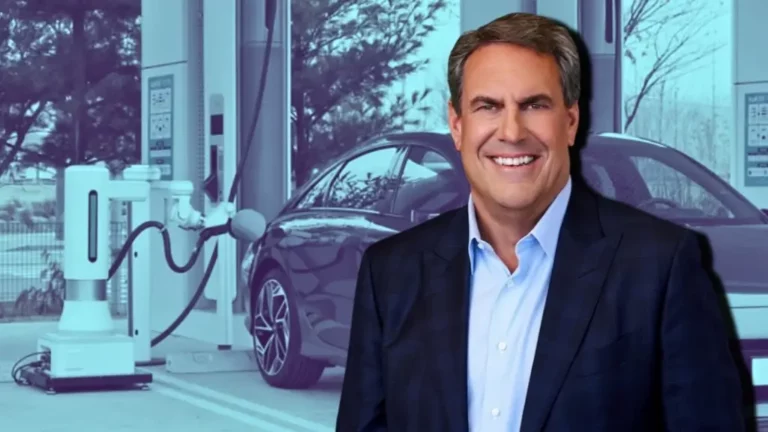
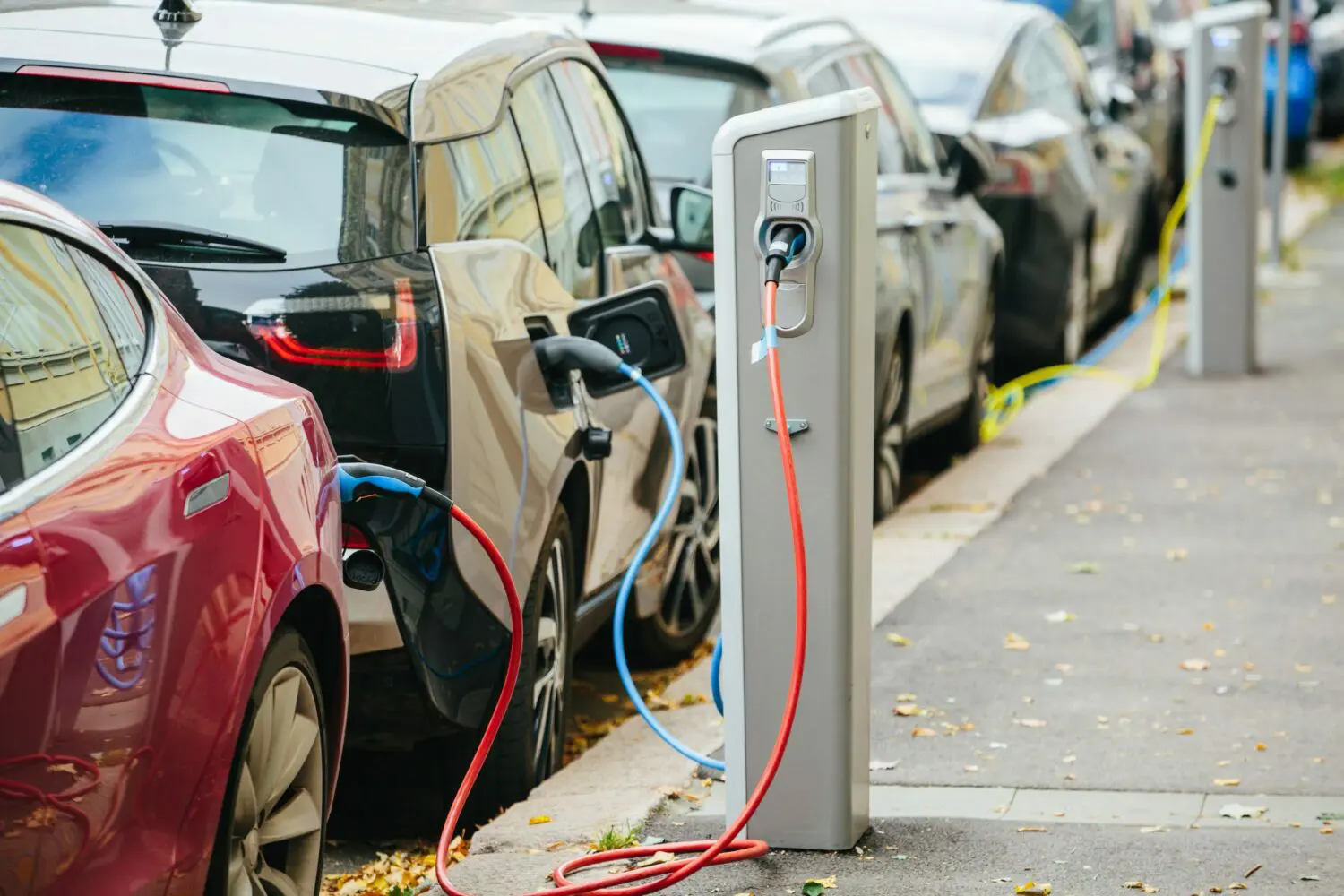
Vermont lawmakers are weighing an electric vehicle tax that would charge owners based on the number of miles they drive.

The proposed tax, included in a bill titled H.479, would require drivers to pay a “mileage-based usage fee” starting in July 2025. Although officials have yet to determine the exact rate, the law has already passed in the Vermont House and is awaiting approval in the Senate.

While politicians in other states have sought to pass laws limiting sales of battery-powered cars, the proposed EV tax is not intended to discourage their use, as Vermont frequently advocates for the technology. In the past, the state has invested in charging infrastructure and supported manufacturers looking to bring electrified products to the state. Bill H.479 itself introduces several programs targeted at encouraging EV adoption through credits and other promotions.

Instead, Vermont is looking to recoup lost revenue from the state’s gas tax. Lawmakers expect to lose $1 million in 2023 alone from declining fuel purchases, and, as zero-emission vehicles become more prominent, the state stands to forfeit far more in the future. H.479 would allow the government to continue supporting the technology without losing access to revenue.

However, to make the bill work as intended, lawmakers will need to answer many questions. While the EV tax would be calculated annually based on the total number of miles driven within the state, there are currently no guidelines for reporting this information. Owners would also need a way to track their out-of-state mileage separately to avoid an overcharge. That being said, the proliferation of zero-emission vehicles will have many consequences for the American public, some positive and some negative. The fact that states are already looking for ways to soften the blow without impeding the market’s growth is encouraging news for the auto industry.

Read More
More from Articles
The simple 'paperwork' mistake that could cost dealers $10,000

The simple ‘paperwork’ mistake that could cost dealers $10,000

- May 13, 2026
On the Dash: CDK Global says a paperwork problem cost a dealer $10,000 during a manufacturer audit. NADA calls federal record-keeping requirements among the most burdensome rules dealers face today. ...
GM-LG battery venture recalls small group of Ohio workers as EV demand slows

GM-LG battery venture recalls small group of Ohio workers as EV demand slows

- May 13, 2026
On the Dash: EV production volatility is directly affecting supply chain employment and factory output decisions. Incentive-driven demand shifts are forcing automakers to adjust production more quickly than long-term EV...
Nissan projects return to profit after seventh straight quarterly loss

Nissan projects return to profit after seventh straight quarterly loss

- May 13, 2026
On the Dash: Nissan’s projected return to profit could improve dealer confidence after multiple quarters of financial instability. Ongoing model cuts and production restructuring may impact future inventory mix and...
New-vehicle prices rose in April, but the gains fell short of the historical average, with wide variation across brands and segments, according to Kelley Blue Book.

New-vehicle prices rise in April, but the pace is cooling

- May 13, 2026
On the Dash: New-vehicle ATP rose 1.8% year over year in April, below the 3.6% long-term average. Ford and GM posted strong gains while several luxury brands saw transaction prices...
CBT News
Privacy Overview

This website uses cookies so that we can provide you with the best user experience possible. Cookie information is stored in your browser and performs functions such as recognising you when you return to our website and helping our team to understand which sections of the website you find most interesting and useful.