TSLA364.270-1.93%
GM82.200-4.42%
F13.210-0.4%
RIVN14.990-0.41%
CYD35.4000.88%
HMC32.200-0.33%
TM191.530-2.38%
CVNA65.120-0.72%
PAG212.610-2.14%
LAD316.270-5.41%
AN168.290-6.59%
GPI246.420-8.53%
ABG183.060-4.85%
SAH63.660-2.29%
TSLA364.270-1.93%
GM82.200-4.42%
F13.210-0.4%
RIVN14.990-0.41%
CYD35.4000.88%
HMC32.200-0.33%
TM191.530-2.38%
CVNA65.120-0.72%
PAG212.610-2.14%
LAD316.270-5.41%
AN168.290-6.59%
GPI246.420-8.53%
ABG183.060-4.85%
SAH63.660-2.29%
TSLA364.270-1.93%
GM82.200-4.42%
F13.210-0.4%
RIVN14.990-0.41%
CYD35.4000.88%
HMC32.200-0.33%
TM191.530-2.38%
CVNA65.120-0.72%
PAG212.610-2.14%
LAD316.270-5.41%
AN168.290-6.59%
GPI246.420-8.53%
ABG183.060-4.85%
SAH63.660-2.29%

US lawmakers set their sights on reviving self-driving car legislation

As self-driving technologies begin to hit the market, new laws need to be enacted to create order at a federal level. Now, self-driving vehicles are getting a boost from legislators in the House of Representatives. Two members, Robert Latta, a Republican, and Debbie Dingell, a Democrat, are taking action to help educate other members on the importance of such technology. 

Dingell said this initiative aims to find common ground as there have been many conflicting opinions in recent years regarding autonomous vehicles. The ultimate goal is to provide laws that will enable the technology to be safe additions to U.S. roadways.

Furthermore, Latta commented that this is key to staying ahead of other countries. Although this legislation may not pass until 2023, it is vital to begin the initiative and educate others. In 2017, similar legislation was proposed but never passed the Senate. 

Latta recognized that the next two years of Congress, which will begin in 2023, might not enact self-driving car laws quickly. It’s important that we get members involved from all over the country,” Latta said. “This is something that is going to affect everybody.”

With a recent spike in auto collisions, lawmakers hope self-driving technologies will make roadways safer and reduce traffic. Last month, the NHTSA noted that both Ford and General Motors filed for exemptions to deploy 2,500 self-driving vehicles onto the roadways annually. This is the maximum allowed under current laws. U.S. Senators Gary Peters and John Thune proposed to give the NHTSA power to exempt 15,000 self-driving vehicles. This number would increase to 80,000 by 2025. 


dealersDid you enjoy this article? Please share your thoughts, comments, or questions regarding this topic by connecting with us at newsroom@cbtnews.com.

Be sure to follow us on Facebook, LinkedIn, and TikTok to stay up to date.

While you’re here, don’t forget to subscribe to our email newsletter for all the latest auto industry news from CBT News.
More from Articles
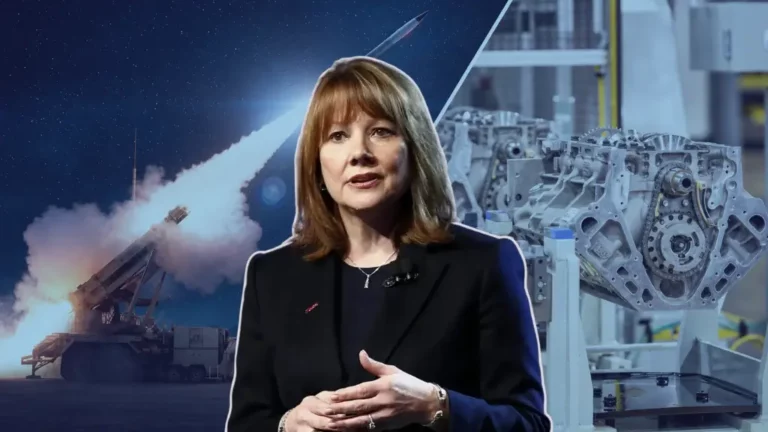
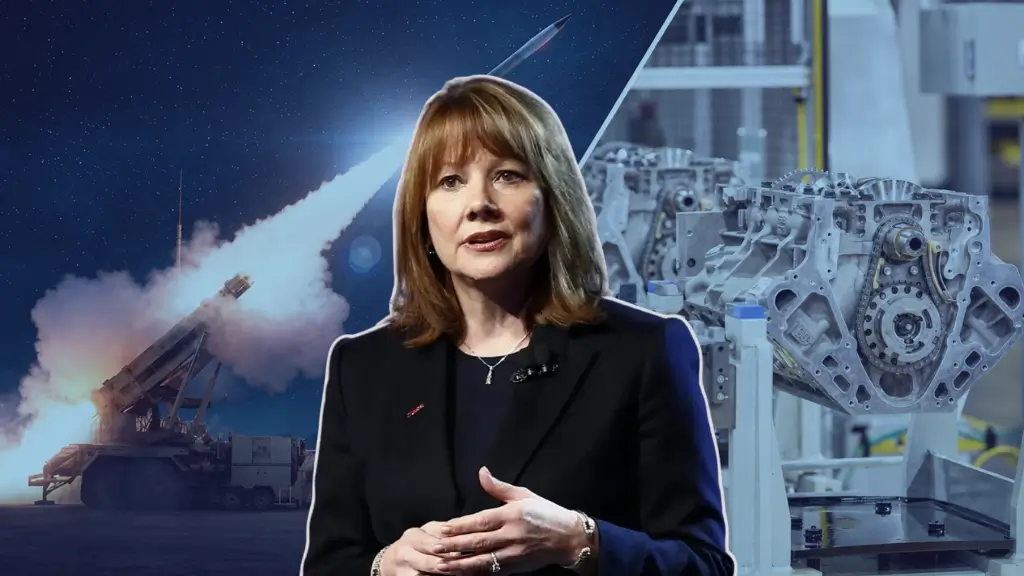
GM looks beyond EVs with focus on V-8-powered pickups and Patriot missiles

GM looks beyond EVs with new V-8-powered pickups and Patriot missiles

- September 18, 2026
On the Dash: GM Defense delivered Patriot missile parts to Lockheed Martin 22 days after signing its contract. The redesigned 2027 Silverado and Sierra add new 5.7-liter and 6.6-liter V-8...
unifor

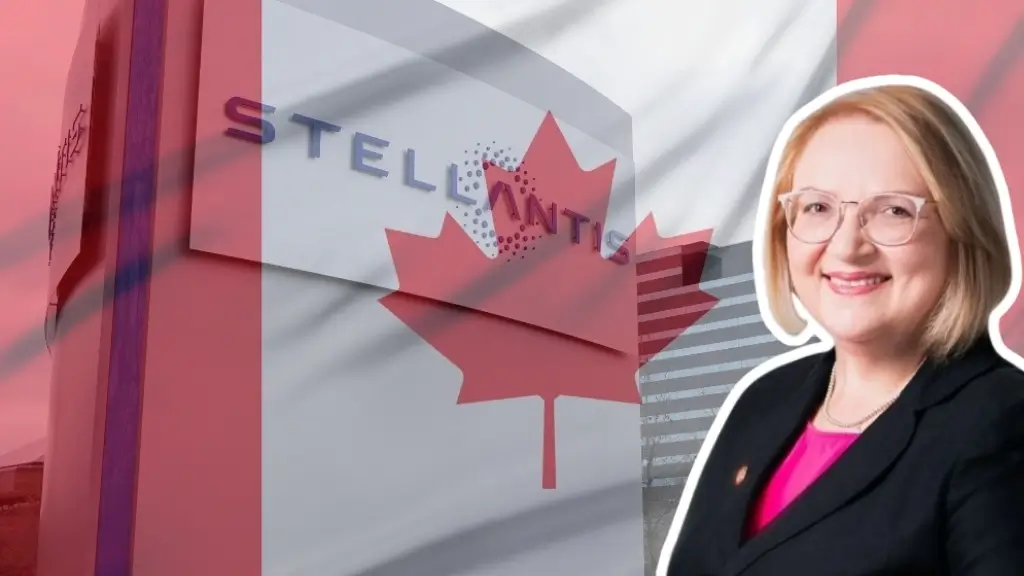
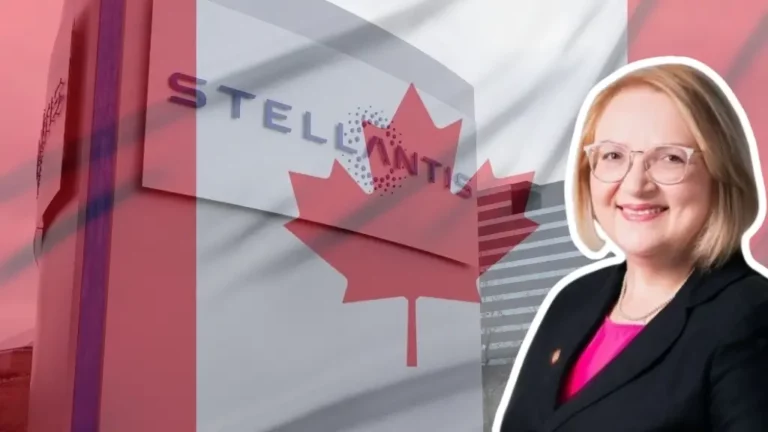
Stellantis faces potential strike as Unifor talks remain at impasse

- September 18, 2026
On the Dash: Stellantis faces a new labor deadline as its Canadian contract with Unifor expires Sept. 20. The future of the Brampton plant remains the central issue in negotiations...
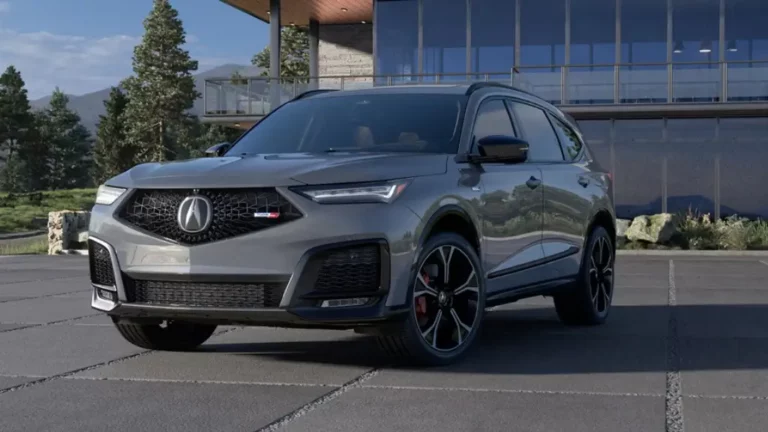
Acura pauses MDX Type S production amid emissions uncertainty

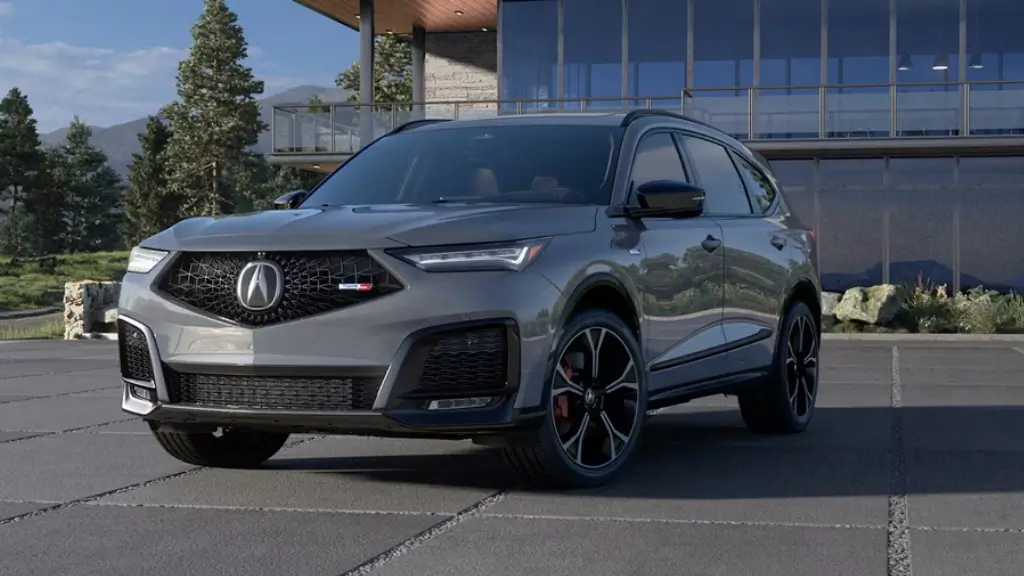
Acura pauses MDX Type S production amid emissions uncertainty

- September 18, 2026
On the Dash: Acura pauses the MDX Type S after 2026 with no timeline for its return. The trim is under 10% of MDX sales but delivers outsized margins. Emissions...
Xpeng

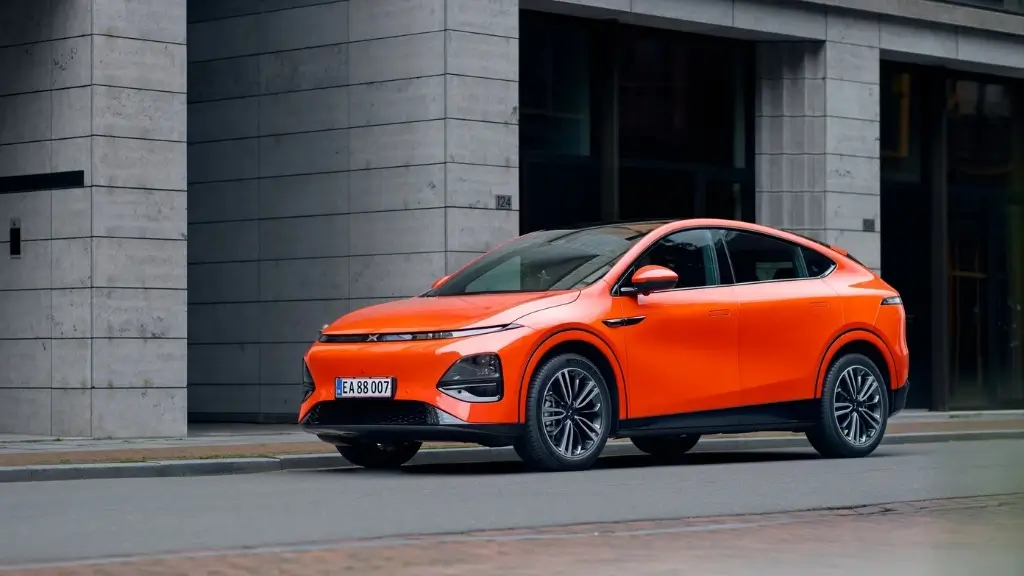
Xpeng looks to expand technology partnerships beyond Volkswagen

- September 18, 2026
On the Dash: Xpeng is looking to turn its EV technology into a broader business by licensing systems to other automakers and suppliers. Its Volkswagen partnership shows the potential for...
CBT News
Privacy Overview

This website uses cookies so that we can provide you with the best user experience possible. Cookie information is stored in your browser and performs functions such as recognising you when you return to our website and helping our team to understand which sections of the website you find most interesting and useful.