Electric vehicle sales swung sharply in October as the expiration of federal incentives reshaped EV demand and consumer buying behavior heading into the new year. On today’s episode of Inside Automotive, Urban Science’s Global Lead for Advanced Analytics, Tom Kondrat, shares market insights and what dealers should be aware of as the new year approaches.
It has been a rollercoaster year for electric vehicles. Leading up to the sunset of the federal tax incentive, EV sales increased by 30%, achieving a 12% market share.
Now that the incentives have expired, battery-electric vehicle (BEV) sales dropped 45% in October, and market share shrank to 5%. According to Kondrat, these results are not unexpected given the heavy pull-ahead purchasing earlier in the year.
BEV demand also varies significantly by geography. In the Midwest, demand remains softer, leaving many dealers with inventory on their lots. In Florida and California markets, the conversation is much different.
Plug-in hybrids (PHEVs) have consistently accounted for roughly 2% of the industry’s market share, a small fraction of overall sales. This segment fell about 50% in October following the expiration of the federal tax credit. Hybrids, however, were up 15%. Since hybrids were not included in the federal rebate, their performance gives a more transparent snapshot of natural consumer demand.
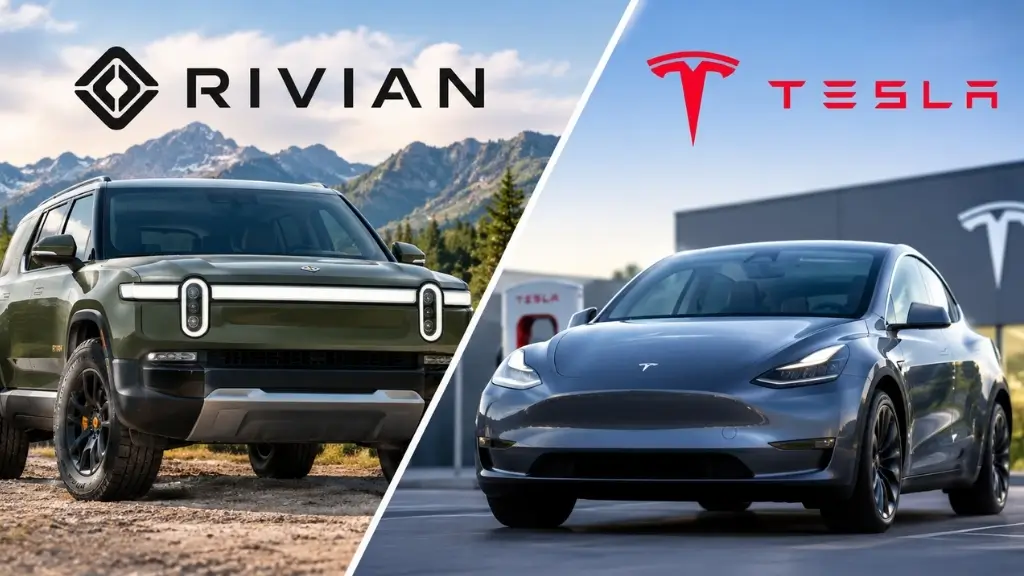
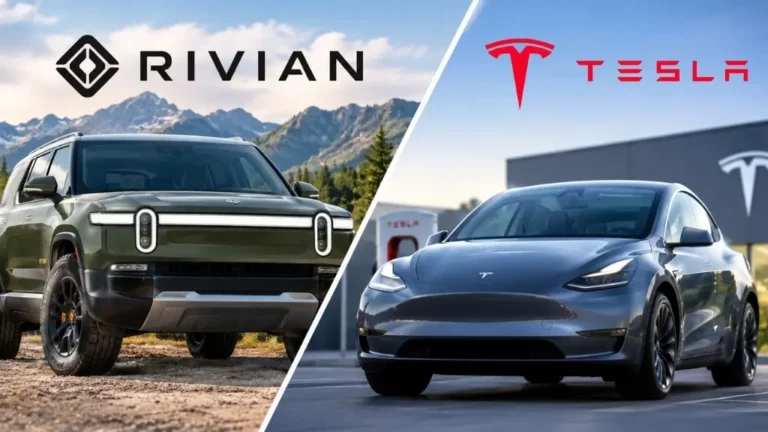
The typical EV buyer tends to be carbon footprint-conscious and prefers smaller or mid-sized vehicles. As a result, larger all-electric SUVs and pickups have struggled to gain traction with mainstream buyers. Vehicles such as the Tesla Model Y and Ford Mustang Mach-E align more closely with the profile of prospective EV customers and have seen greater sales success.
Many industry professionals believe that without federal incentives, Tesla is positioned to emerge as the strongest performer. Tesla recorded its best sales month in August and maintained strong performance in September, giving the automaker a stronger head start over the competition.
Kondrat also points to a regulatory topic that remains underdiscussed but has significant implications for the industry. The Corporate Average Fuel Economy (CAFE) rules shaped manufacturers’ long-term strategies, and they invested substantial capital to comply with the standards. Under the One Big Beautiful Bill Act, manufacturers will no longer face a financial penalty for noncompliance.
Vehicle affordability remains a pressing concern. Despite the average transaction price of a new vehicle exceeding $50,000, consumer demand remains strong. Urban Science found that many shoppers continue to upgrade to larger vehicles. However, October brought a notable shift. Luxury sales declined 11%, compared with the broader retail industry’s 6.5% drop, signaling potential weakness at the upper end of the market.
"Whenever you have sales spikes, you usually have some secondary effect, and that's what we're seeing. But the state of the industry is strong and we'll continue to hum along."
Despite the year’s challenges, the industry remains up 4% year-over-year and is on track to close out 2025 ahead of last year’s results.
Since the announcement of auto tariffs, the number of vehicles sold that are final-assembled in the United States has increased. In October, U.S.-assembled vehicle sales rose 16% year-over-year. Sales of European and Asian-assembled vehicles declined 16%. Canadian and Mexican-assembled vehicle sales increased modestly by 3%. Kodrat says this shift is primarily driven by decades of foreign investment in U.S. manufacturing capacity.
Looking ahead, Urban Science forecasts that the fourth quarter will close down 5%. While it may appear pessimistic, Q4 2024 delivered a powerful 16.5 million SAAR. A 5% decline keeps the industry in the 15 to 16 million range, which reflects solid performance. Full-year results are expected to land slightly above 16 million units.
Urban Science predicts the first quarter of 2026 will align with historical norms. Analysts are watching closely for a rebound in BEV sales as consumers who did not purchase early return to the market. While some expect that rebound to begin in early 2026, Kondrat believes it’s more likely to occur in the spring, when BEVS sales typically strengthen.