TSLA340.540-1.73%
GM85.880-0.8899%
F14.197-0.1682%
RIVN15.005-0.355%
CYD45.5100.27%
HMC31.9150.335%
TM189.570-1.53999%
CVNA73.270-2.32%
PAG219.310-0.54%
LAD374.460-3.09%
AN207.080-2.33%
GPI259.930-4.02%
ABG208.190-2.47%
SAH80.125-0.705%
TSLA340.540-1.73%
GM85.880-0.8899%
F14.197-0.1682%
RIVN15.005-0.355%
CYD45.5100.27%
HMC31.9150.335%
TM189.570-1.53999%
CVNA73.270-2.32%
PAG219.310-0.54%
LAD374.460-3.09%
AN207.080-2.33%
GPI259.930-4.02%
ABG208.190-2.47%
SAH80.125-0.705%
TSLA340.540-1.73%
GM85.880-0.8899%
F14.197-0.1682%
RIVN15.005-0.355%
CYD45.5100.27%
HMC31.9150.335%
TM189.570-1.53999%
CVNA73.270-2.32%
PAG219.310-0.54%
LAD374.460-3.09%
AN207.080-2.33%
GPI259.930-4.02%
ABG208.190-2.47%
SAH80.125-0.705%

U.S. delays tariff increases on Chinese imports, including EVs and batteries

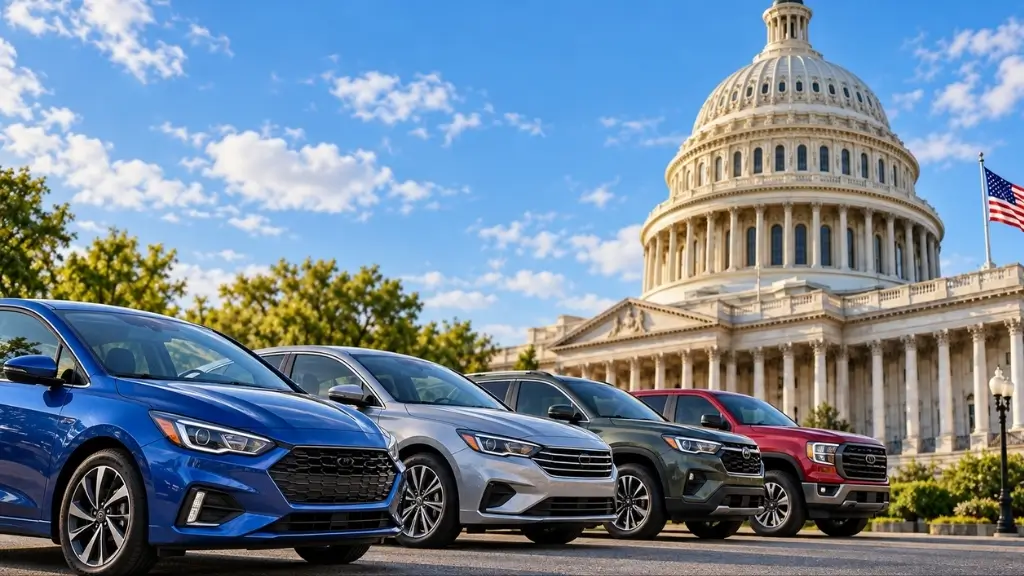
The new tariff measures affect $18 billion worth of Chinese goods, including steel, aluminum, semiconductors, electric vehicles, critical minerals, solar cells, and cranes.
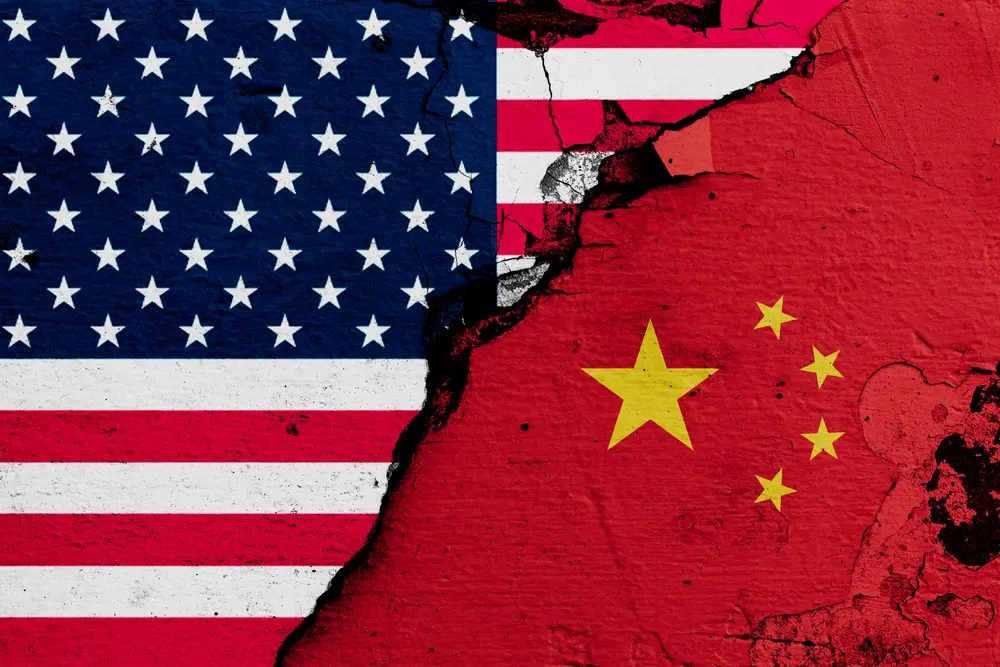
The U.S. Trade Representative's office announced a delay in implementing steep tariff increases on a range of Chinese imports.

The U.S. Trade Representative’s office announced a delay in implementing steep tariff increases on a range of Chinese imports, including electric vehicles, their batteries, computer chips, and medical products. Initially set to take effect on August 1, the tariffs will now be delayed by at least two weeks as the office reviews over 1,100 comments received from stakeholders.

In May, President Joe Biden decided to maintain tariffs imposed by former President Donald Trump and to increase others significantly. The new tariffs include quadrupling import duties on Chinese EVs to over 100% and doubling semiconductor duties to 50%. Additionally, there are proposed tariffs of 25% on medical masks and gloves and 50% on syringes.

Washington’s strategy includes substantial investments in clean energy tax subsidies to bolster U.S. industries such as electric vehicles, solar energy, and other emerging technologies. The tariffs aim to protect American jobs from the influx of inexpensive Chinese imports, which could undermine U.S. production capabilities.

The new tariff measures affect $18 billion worth of Chinese goods, including steel, aluminum, semiconductors, electric vehicles, critical minerals, solar cells, and cranes. Although Chinese EV imports to the U.S. are minimal, the tariffs could have a significant political impact. The Port Authority of New York and New Jersey has raised concerns, noting that the tariffs would increase the cost of each crane by $4.5 million, straining the port’s resources.

Lithium-ion batteries are the largest category targeted by the tariffs, accounting for $13.2 billion of the imports. According to U.S. Census Bureau data, the U.S. imported $427 billion in goods from China in 2023 and exported $148 billion, highlighting a persistent trade gap.

The USTR is expected to announce its final determination on the tariffs in August, and the new tariffs will take effect approximately two weeks after the announcement.


Read More
More from Articles
Why dealership compliance has to start before the deal, not after

Why dealership compliance has to start before the deal, not after

Compliance is now a daily operating issue, not a once-a-year task  Regulatory pressure on automotive retail is not slowing down. The FTC and state agencies are watching F&I more closely, and...
Ourisman Cars acquires Toyota dealership in North Carolina

Ourisman Cars acquires Toyota dealership in North Carolina

- August 17, 2026
Ourisman Cars has acquired Toyota of Roanoke Rapids, North Carolina, from Barnes Crossing Auto Group. The transaction closed August 3, with the dealership renamed Ourisman Toyota 95. The acquisition gives...
Ford, GM clash over trade policies as Detroit rivalry heats up

Ford, GM clash over trade policies as Detroit rivalry heats up

- August 17, 2026
On the Dash: Tariff changes could affect vehicle pricing, incentives and model profitability across competing brands. Ford and GM’s different supply chains could create uneven cost pressures across their vehicle...
Stellantis weighs Brampton plant sale as Canada labor dispute intensifies

Stellantis weighs Brampton plant sale as Canada labor dispute intensifies

- August 17, 2026
On the Dash: Brampton uncertainty could affect future Stellantis product allocation and Canadian vehicle supply. Plant closures or production shifts could reshape Stellantis' North American manufacturing footprint. Ongoing tariff negotiations...
CBT News
Privacy Overview

This website uses cookies so that we can provide you with the best user experience possible. Cookie information is stored in your browser and performs functions such as recognising you when you return to our website and helping our team to understand which sections of the website you find most interesting and useful.