TSLA400.62011.72%
GM81.3203.27%
F12.8700.43%
RIVN17.2300.34%
CYD43.2600.9381%
HMC25.0000.64%
TM217.2004.34%
CVNA387.50025.26%
PAG161.3205.3%
LAD283.0408.17%
AN207.9909.7%
GPI349.94014.46%
ABG211.4407.35%
SAH70.7003.33%
TSLA400.62011.72%
GM81.3203.27%
F12.8700.43%
RIVN17.2300.34%
CYD43.2600.9381%
HMC25.0000.64%
TM217.2004.34%
CVNA387.50025.26%
PAG161.3205.3%
LAD283.0408.17%
AN207.9909.7%
GPI349.94014.46%
ABG211.4407.35%
SAH70.7003.33%
TSLA400.62011.72%
GM81.3203.27%
F12.8700.43%
RIVN17.2300.34%
CYD43.2600.9381%
HMC25.0000.64%
TM217.2004.34%
CVNA387.50025.26%
PAG161.3205.3%
LAD283.0408.17%
AN207.9909.7%
GPI349.94014.46%
ABG211.4407.35%
SAH70.7003.33%

Toyota retains global sales crown in 2025 as hybrid demand offsets US tariffs

Strong U.S. hybrid sales and local production helped Toyota post record global volume despite higher U.S. auto tariffs.

Toyota, global sales

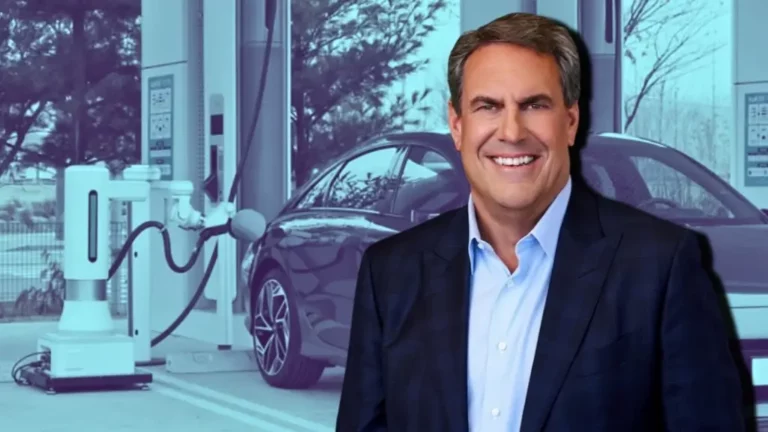
Toyota CEO Koji Sato

On the Dash:

  • Toyota’s hybrid-heavy lineup and U.S. manufacturing footprint helped it endure higher tariffs and deliver record global sales.
  • Absorbing tariff costs rather than raising prices proved effective in sustaining U.S. demand and market share.
  • Rivals that rely more on imports, like Hyundai, face sharper profit pressure from trade policy volatility.

Toyota retained its position as the world’s top-selling automaker in 2025, reporting record global sales of 10.5 million vehicles, supported by rising hybrid demand and disciplined cost controls.

Combined sales of Toyota and its Lexus luxury brand rose 3.7% from a year earlier, outpacing Volkswagen Group’s 9 million vehicles and Hyundai Motor Group’s 7.27 million units.

U.S. demand for hybrid models such as the Prius and RAV4 played a key role. Toyota and Lexus sales in the U.S. climbed 7.3% to 2.93 million vehicles, even as President Trump imposed tariffs on Japanese automotive imports. Those levies were initially set at 25% before being reduced to 15%.

Sign up for CBT News’ daily newsletter and get the latest industry stories delivered straight to your inbox

Toyota absorbed much of the added tariff cost rather than raising prices broadly, while expanding local production and tightening cost controls. The automaker estimated in November that U.S. tariffs would cost 1.45 trillion yen in its fiscal year ending March 2026, but later raised its full-year operating profit forecast, citing efficiency gains and strong demand outside the U.S.

Meanwhile, rival Hyundai also reported global revenue growth of more than 6% in 2025, supported by U.S. hybrid sales, but its operating profit fell 19.5% as U.S. tariffs cost the company 4.1 trillion won.

Notably, South Korea and the U.S. agreed last year to lower tariffs on most South Korean products, including vehicles, to 15% beginning in November. President Trump on Monday threatened to raise the rate back to 25%, prompting Hyundai shares to fall nearly 5%.

Hyundai produced about 40% of the vehicles it sold in the U.S. last year and plans to increase local output at its Georgia facilities to more than 80% by 2030. Toyota, which relied on imports for roughly one-fifth of its U.S. sales, has continued expanding U.S. manufacturing focused on hybrids.

Toyota is scheduled to report fiscal third-quarter earnings on Feb. 6, with analysts expecting operating profit to rise nearly 30% from a year earlier, according to Reuters estimates.


More from Industry News
Volkswagen ends U.S. EV output, triggering $600 million financial hit 

Volkswagen ends U.S. EV output, triggering $600 million financial hit 

- April 17, 2026
On the Dash: Slower EV demand may impact inventory planning and turn rates for electric models. Production pullbacks could tighten EV supply or shift sourcing toward imports. Ongoing cost pressures...
Pentagon taps automakers to boost weapons production capacity

Pentagon taps automakers to boost weapons production capacity

- April 16, 2026
On the Dash: Potential defense contracts could shift production priorities and impact vehicle supply. Increased government demand may tighten supply chains already under pressure. Automaker diversification into defense could influence...
CarMax shares fall 14% as new CEO Keith Barr unveils turnaround plan focused on lower-priced vehicles amid softening consumer demand.

CarMax pivots to lower-priced vehicles as investors remain skeptical

- April 15, 2026
On the dash: CarMax posted mixed results in Q4, with slight growth but weaker profits, triggering a 14% stock drop The company is shifting toward lower-priced, higher-mileage vehicles as affordability...
Tariff refund applications open as dealers and importers seek relief under CAPE program

Tariff refund applications open as dealers and importers seek relief under CAPE program

- April 15, 2026
On the Dash: Tariff refunds could improve short-term cash flow and help offset prior cost increases. Dealers should evaluate eligibility tied to imported inventory and parts exposure. Ongoing trade policy...
CBT News
Privacy Overview

This website uses cookies so that we can provide you with the best user experience possible. Cookie information is stored in your browser and performs functions such as recognising you when you return to our website and helping our team to understand which sections of the website you find most interesting and useful.