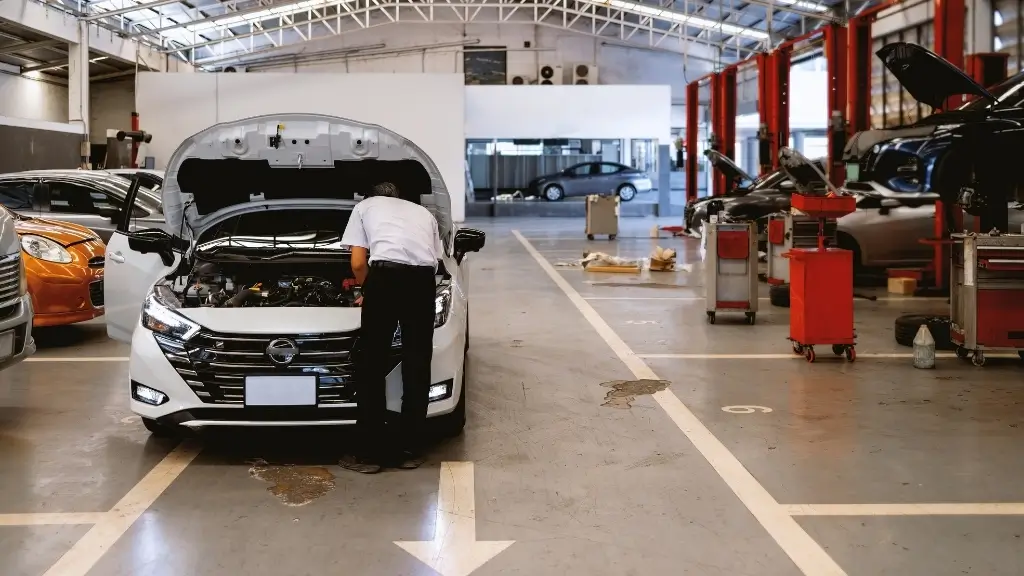

Automotive service centers often get a bad rap for being dishonest or overcharging. This type of misconception about a business can be detrimental. Often, the reasons behind these ways of thinking are a lack of understanding about the automotive service center industry and poor communication between customers and service center employees.
Service centers lose business when customers believe them to be untrustworthy, but the good news is, there are three ways automotive service centers can earn the trust of their customers. By making communication a priority, using urgency sparingly, and getting mechanics involved with customers, service centers can prove themselves trustworthy and attract more customers.
Make Communication a Priority
Most car owners won’t be familiar with technical terms, so it’s important to understand the best way to explain things to people who may not know an alternator from an axle. There is a fine line to walk when talking to customers about their vehicle maintenance and repairs. Overexplaining procedures while using technical terms may overwhelm customers and make them feel as though they are being tricked. On the other hand, “dumbing down” the language can make the work seem simple, therefore not worth the amount of money being charged. Finding a happy medium between these two extremes is essential.
The best way to explain needed maintenance and repairs to customers is to explain which parts need to be repaired or replaced, tell the customer what these parts do, and then explain what will happen if the parts are not repaired or replaced. Once the customer has been thoroughly informed, ask if they have any questions regarding the repairs and answer their questions thoughtfully. This allows customers to feel involved in the process, so they are less likely to feel taken advantage of after the work is done.
Use Urgency Sparingly

Everyone has heard the story of the boy who cried wolf. This same lesson can be learned by automotive service centers. If, when customers bring in their vehicle, they are constantly told that work needs to be done “or else,” they may begin to feel like they are being pressured into unnecessary work. This may lead customers to dismiss work that actually needs done. It can also make them feel that the service center is being dishonest.
When telling customers about vehicle work, it’s important to clarify whether the work is necessary or suggested. Using the same communication method above, tell customers what will happen if the work isn’t done and, if the work is a suggestion, explain that the work will need to be done in the future. By removing the doomsday attitude around vehicle repairs, customers are less likely to feel pressured by a service center.
Don’t Hide Mechanics
If a customer is always talking to a middle man, they can begin to feel like things are being hidden from them. It also can lead to confusion if the person responsible for customer communications isn’t sure how to explain the work being done. For general repairs and maintenance, having customers speak with a receptionist or customer service professional may be enough, but, for deeper explanations, mechanics should be able to speak to customers.
Allowing free communication between mechanics and customers will require transparency in operations. This transparency will help instill trust in the service center and stop customers from feeling unsure about repair costs. By allowing mechanics to speak directly with customers, a major communication barrier will be removed, and customers will place more trust in the service center.
Use Trust to Improve Service Center Business
Without spending any extra money or dedicating a large amount of time to training, automotive service centers can improve their business practices and many other aspects of the business. Using these three ways to earn the customer’s trust will lead to happier customers, less stressed employees, and an increase in profits.