On the Dash:
- Higher interest rates continue to limit affordability and shrink the pool of new-vehicle buyers, with Cox Automotive data showing more than 3 in 10 dealers already citing rates as a drag on business.
- Elevated financing costs make widespread 0% financing offers less likely for automakers, pushing dealers toward targeted incentives instead.
- New-vehicle demand is holding up among affluent buyers, but the divide is widening as middle- and lower-income shoppers move toward used vehicles or delay purchases.
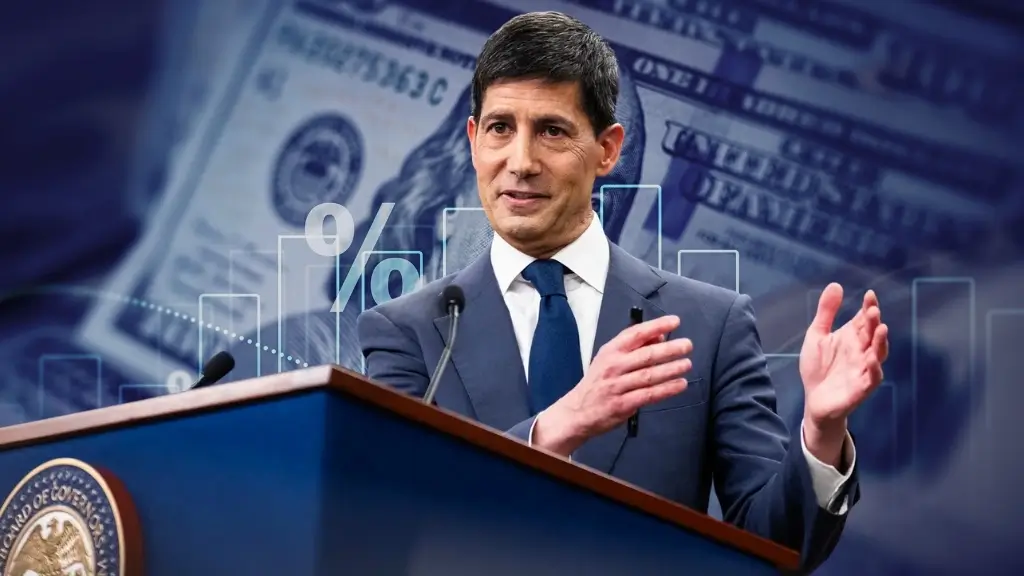
The Federal Reserve decided to keep interest rates unchanged on Wednesday as policymakers considered ongoing inflation risks, particularly the impact of rising energy prices related to the conflict in Iran.
Economists noted that this decision keeps borrowing costs high, which continues to create affordability challenges for consumers and the automotive sector. Analysts in the auto industry warned that elevated financing costs are putting pressure on demand for new vehicles.
The central bank opted to maintain its benchmark interest rate, while experts believe that rising energy prices and uncertainty around inflation likely influenced the choice. Meanwhile, some analysts suggest the Fed could still raise rates later this year.
Impact on dealers
For dealers, the Fed’s decision lands on an already familiar strain, with Cox Automotive’s Q2 Dealer Sentiment Index finding that 32% of dealers cited interest rates as a factor holding back their business, and the extended hold gives little indication that pressure will ease soon. Markets now assign better than 50% odds of a rate hike by September, according to Cox Automotive, a shift that would push financing costs higher just as dealers move into the back half of the year.
Despite the affordability squeeze, new-vehicle demand has held up better than expected heading into the back half of 2026. According to Cox Automotive, it projects a seasonally adjusted annual rate of 16.7 million vehicles for July, the strongest sales pace of the year, driven largely by pent-up demand among affluent buyers rather than incentive spending.
Auto affordability
Nevertheless, auto affordability remains a concern, with the average interest rate for a new car loan at about 7%, while used car loans average around 10.5%, according to Edmunds. The firm highlighted that prolonged high rates are pricing middle- and lower-income buyers out of the new vehicle market, while wealthier buyers can better handle the increased financing costs.
More notably, as borrowing costs stay elevated, broad 0% financing offers are less practical. Therefore, dealers may need to depend on targeted incentives rather than aggressive financing promotions. Financing continues to play an important role in influencing consumers’ purchasing decisions.
Moreover, high interest rates are prompting more shoppers to consider used vehicles or postpone their purchases. Mortgage and credit card borrowing remain costly, further straining household budgets. However, savings accounts are still offering relatively strong yields, even with the Fed’s recent pause.