On the Dash:
- Used-vehicle demand remains strong as high new-vehicle prices continue pushing shoppers toward pre-owned inventory.
- Carvana’s expansion into Stellantis dealerships signals continued disruption in both the used- and new-vehicle retail markets.
- Dealers should monitor inventory, pricing and digital retail strategies as online competition accelerates.
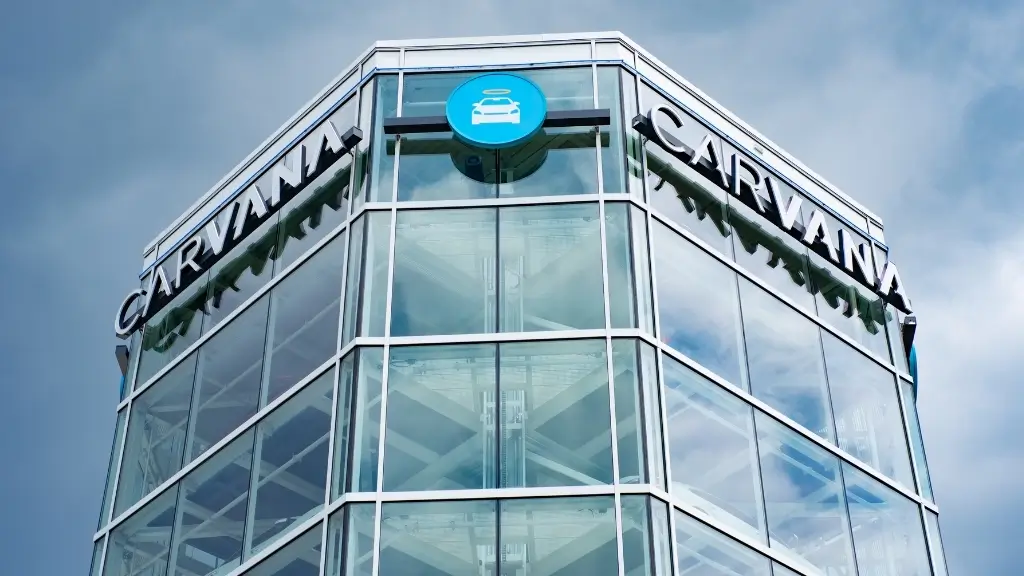
On Wednesday, the leading e-commerce giant, Carvana, reportedly sold roughly 197,325 vehicles in the second quarter, marking a 38% increase compared to the same period last year. Revenue soared 52% to reach $7.38 billion, and net income rose to a record $513 million, an increase of $205 million from a year earlier. This achievement also marks the company’s 10th consecutive quarter of growth.
Executives noted that high prices for new vehicles continue to drive consumers toward the used-car market. Currently, Carvana holds about 2% of the U.S. used-vehicle market, with leadership indicating significant growth potential ahead. CEO Ernie Garcia III attributed the company’s attractive online, no-haggle purchasing experience to its ability to draw in new customers.
Carvana reported over 60% year-over-year growth among buyers earning more than $100,000 annually. The company also mentioned that inventory constraints eased during Q2, allowing for greater growth than earlier in the year. Strong growth was particularly highlighted in the Midwest and Northeast regions, where sales grew 54%.
Despite these record financial results, Carvana’s shares declined in after-hours trading after management provided full-year EBITDA guidance of $2.7 billion to $3 billion, which fell short of some Wall Street expectations. Company leaders explained that this forecast aligns with prior guidance practices and reflects their expectations for the second half of the year.
Additionally, Carvana has expanded into new-vehicle retailing by acquiring Stellantis dealerships and introducing a new digital retail format for Stellantis brands. However, the company noted that this new-car strategy is still in its early stages, as executives refrained from providing further details, only confirming that the business is currently profitable.
Why it matters
For dealers, ongoing affordability challenges are benefiting used-vehicle retailers and reinforcing the demand for pre-owned inventory. Carvana’s sustained growth emphasizes the importance of seamless digital retailing and transparent pricing, as the company’s expansion into franchised dealerships could intensify competitive pressure on traditional retailers as it broadens its new-vehicle strategy.