Car sharing, a platform that allows for short term car rentals from private citizens or designated entities. Though it’s been around for a while, car sharing has come into its own in the 21st century, and there are currently enjoying popularity in high-density areas.
Car sharing differs from a traditional rental in a few key ways. For example, these vehicles are:
- Not subject to office hours
- Often available near public service (no need to go to a physical storefront)
- Flexible in terms of rental times (can be minute and hour, not just day)
- Rented to pre-approved users
Dealing With Upset
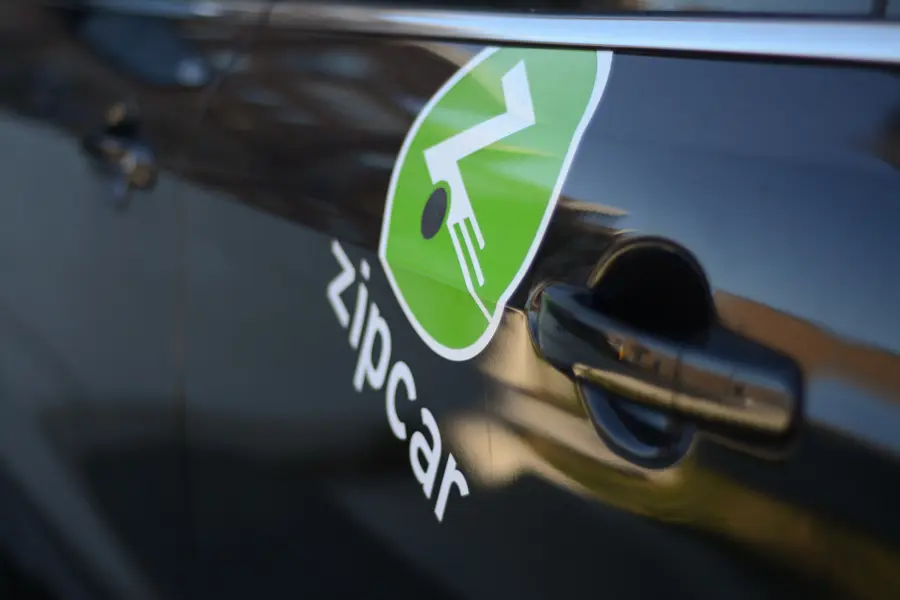
Some rental companies have adapted to the new trend by creating their own car sharing options, like Hertz on Demand and UhaulCarShare. Others have hopped aboard by buying the competition: in 2013 Avis bought Zipcar.
 However, like most new technologies, car sharing has had its fair share of controversy. Among its biggest detractors are traditional rental companies, like Enterprise, who feel that the platforms are cutting into their business; similar to the reaction to ride sharing from taxi services.
Laying Out Legislation
There have been many cases brought against the booming industry and several pieces of legislation proposed and passed in the last few years. There have been mixed results on both sides. Often at the center of these are peer-to-peer (P2P) car sharing services. These include Turo and Getaround which allow users to rent privately owned cars.
Two factors are putting P2P car shares at an advantage when it comes to legislation.
- States see the services as helping mitigate pollution, traffic, and other environmental impacts
- As they grow, these platforms have begun gaining lobbying power.
For this reason, there have been several states that have passed pro-P2P car sharing legislation. These include Washington, Oregon, Wisconsin, and California. Included in these incentives are tax credits and designated parking in limited-time zones. In Massachusettes has further gotten on board with its department of transportation partnering with Zipcar.
Returning to the subject of rentals, the most considerable leverage they have to battle car-sharing services is taxation, which means most legislation hinges on the designation. If car-sharing is placed within a rental framework, then the companies and customers will be subject to the same regulations as rental companies, which could even out the competition.
Specifically, many rental agencies would like car sharing services to be taxed similarly. If defined as rentals, car sharing would be subject to by day taxes, regardless of whether the cars are used by minute or hour.
As of now, states have had very different reactions to the calls to regulate. Colorado chose not to impose the daily fee because ride-sharing “benefits the state by reducing traffic congestion, greenhouse gas emissions, and the amount of wear and tear on the highways.” Minnesota also waived rental fees on some shares.
Hawaii took a different path with Bill 2731. The state instead established a system that distributes the tax a little more evenly so that it doesn’t penalize shorter-term users (minutes, hours) but reflects rental agency tax rates.
Other states, like Illinois, continue to go back and forth to determine what car sharing falls under and how to create equality between all services. Users can expect these battles to continue for a while, and to go back and forth as the car sharing services grow to stronger lobbying power and rental agencies settle in to protect their turf.