TSLA443.788-1.482%
GM77.9852.175%
F14.7451.175%
RIVN14.3900.12%
CYD50.490-0.53%
HMC25.6581.2878%
TM190.5003.61%
CVNA68.850-1.05%
PAG168.8802.3%
LAD277.8004.58%
AN192.8601.75%
GPI333.8606.08%
ABG195.0702.22%
SAH76.5400.42%
TSLA443.788-1.482%
GM77.9852.175%
F14.7451.175%
RIVN14.3900.12%
CYD50.490-0.53%
HMC25.6581.2878%
TM190.5003.61%
CVNA68.850-1.05%
PAG168.8802.3%
LAD277.8004.58%
AN192.8601.75%
GPI333.8606.08%
ABG195.0702.22%
SAH76.5400.42%
TSLA443.788-1.482%
GM77.9852.175%
F14.7451.175%
RIVN14.3900.12%
CYD50.490-0.53%
HMC25.6581.2878%
TM190.5003.61%
CVNA68.850-1.05%
PAG168.8802.3%
LAD277.8004.58%
AN192.8601.75%
GPI333.8606.08%
ABG195.0702.22%
SAH76.5400.42%

Tesla alters lease policy after years of misleading “robotaxi” promise

After prohibiting lease-end purchases since 2019 under the guise of building a robotaxi fleet, Tesla reversed course last November amid falling used vehicle demand and mounting skepticism.
Last November, Tesla ended a controversial policy prohibiting U.S. customers from purchasing their leased vehicles at the end of the term.

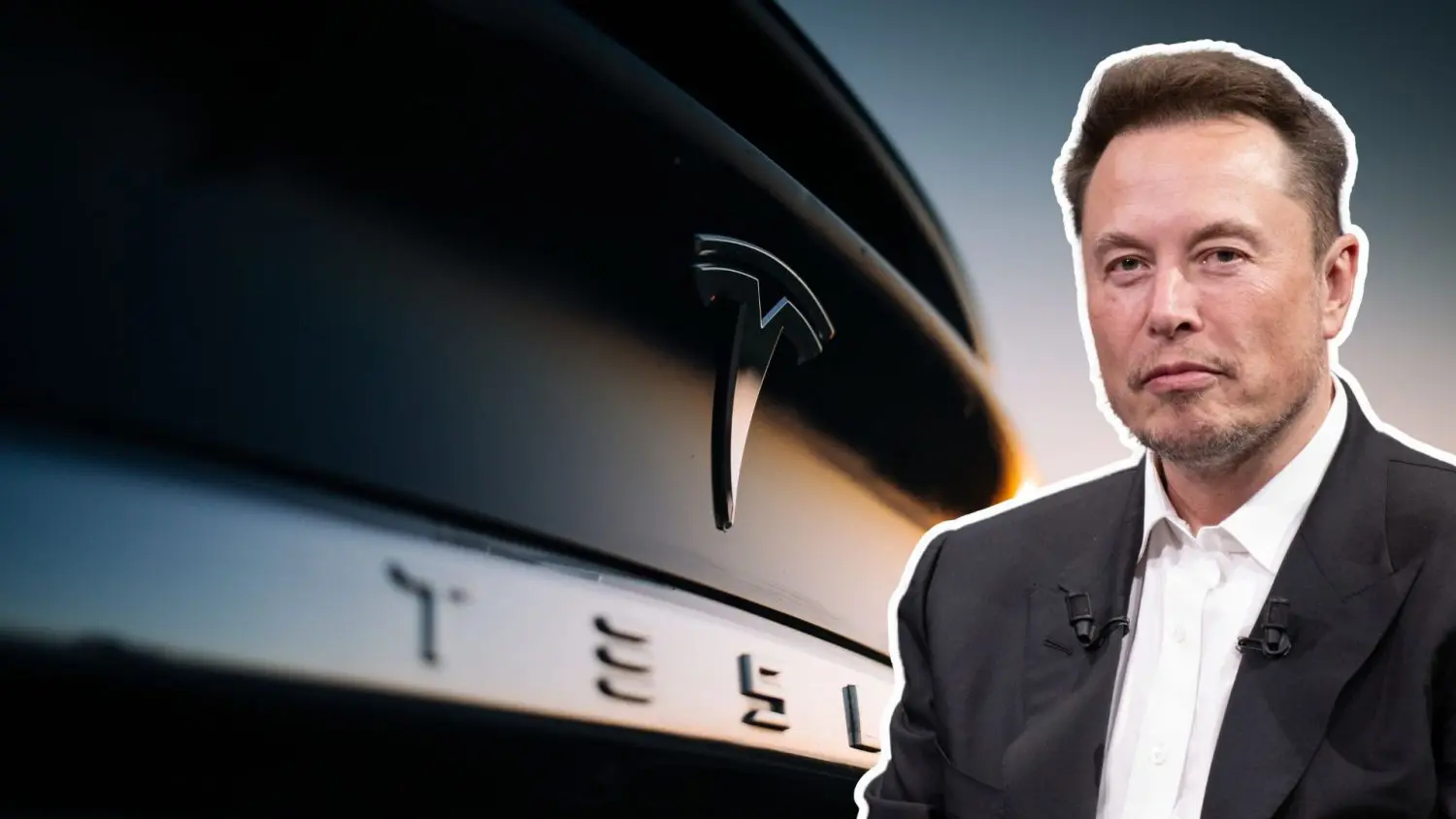
According to an exclusive Reuters report, last November, Tesla ended a controversial policy prohibiting U.S. customers from purchasing their leased vehicles at the end of the term — a restriction the company justified for years by claiming the cars were destined for a future fleet of self-driving robotaxis.

The change was announced on November 27, 2024, when Tesla’s North America division posted on X: “Lease buyout now available” for new contracts. The company’s leasing webpage was also updated to indicate that some leased vehicles “may be eligible for purchase.”

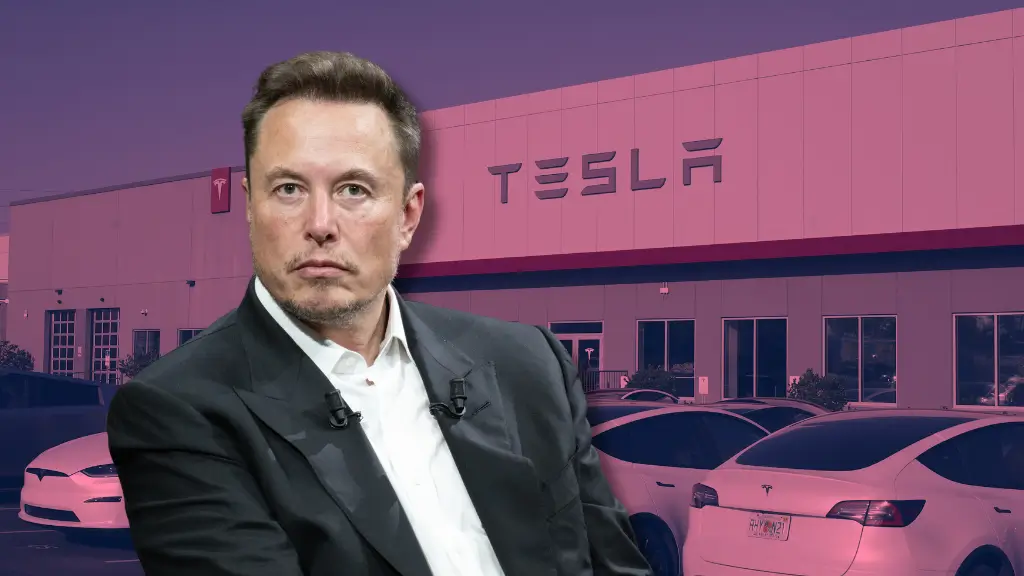
The move ends a practice that began in 2019 with the launch of Model 3 leasing, when CEO Elon Musk told investors the cars would be reclaimed for Tesla’s forthcoming autonomous ride-hailing network. However, that fleet never materialized.

Sign up for CBT News’ daily newsletter and get the latest industry stories delivered straight to your inbox.

Instead, Tesla found a lucrative alternative. According to people familiar with Tesla’s retail operations, the company upgraded returned vehicles with premium software features, such as the “Full Self-Driving” package (sold separately for up to $15,000) and “acceleration boost” (priced at $2,000). It then resold the vehicles at a premium, often for more than lessees would have paid to buy them out.

While the policy was legal, it contradicted public statements by Musk and Tesla’s own lease documentation, misleading lessees about their options and the vehicles’ future use. The strategy also contributed to the long-standing investor belief that Tesla was close to launching fully autonomous vehicles — a perception that has buoyed its stock value well beyond current earnings.

From 2019 onward, Tesla leased over 314,000 vehicles globally, though it remains unclear whether the no-purchase rule applied outside the U.S. Until the policy reversal, Tesla’s website stated that vehicles delivered after April 15, 2022, were not eligible for purchase and explicitly excluded Model 3 and Model Y from any buyout options.

The change comes amid weakening demand for used Teslas, as resale values fall and competition in the EV market increases. 
Read More
More from EVs & Technology
Honda posts first annual loss as EV strategy reset triggers $10B writedown

Honda posts first annual loss as EV strategy reset triggers $10B writedown

- May 14, 2026
On the Dash: Honda’s renewed focus on hybrids could boost showroom demand as consumers continue to favor practical electrified options. Slower EV adoption is forcing automakers to prioritize profitability and...
More shoppers considering EVs, price and charging availability still driving many away

More shoppers considering EVs, price and charging availability still driving many away

- May 14, 2026
On the Dash: Gas prices pushed EV consideration higher in April, 26% now "very likely" to consider an EV Purchase price is the most frequent objection, followed by range and...
GM-LG battery venture recalls small group of Ohio workers as EV demand slows

GM-LG battery venture recalls small group of Ohio workers as EV demand slows

- May 13, 2026
On the Dash: EV production volatility is directly affecting supply chain employment and factory output decisions. Incentive-driven demand shifts are forcing automakers to adjust production more quickly than long-term EV...
Toyota launches all-electric campaign focused on everyday usability and skeptical EV buyers

Toyota launches all-electric campaign focused on everyday usability and skeptical EV buyers

- May 13, 2026
On the Dash: Toyota is shifting EV messaging toward practicality, lifestyle integration, and first-time EV adoption. Multicultural marketing remains a major focus as automakers refine customer acquisition strategies. Dealers may...
CBT News
Privacy Overview

This website uses cookies so that we can provide you with the best user experience possible. Cookie information is stored in your browser and performs functions such as recognising you when you return to our website and helping our team to understand which sections of the website you find most interesting and useful.