On the Dash:
- Nvidia closed multiple AI deals in South Korea spanning memory chips, robotics, and cloud infrastructure.
- Nvidia and Hyundai are moving toward industrializing robotics and bringing AI to all forms of mobility.
- Partnerships with LG, Doosan, and SK Group could accelerate AI adoption across automotive manufacturing and logistics.
U.S.-based chip maker Nvidia announced a series of deals with South Korean tech and industrial giants. The deals cover AI infrastructure, memory chips, robotics, and mobility.
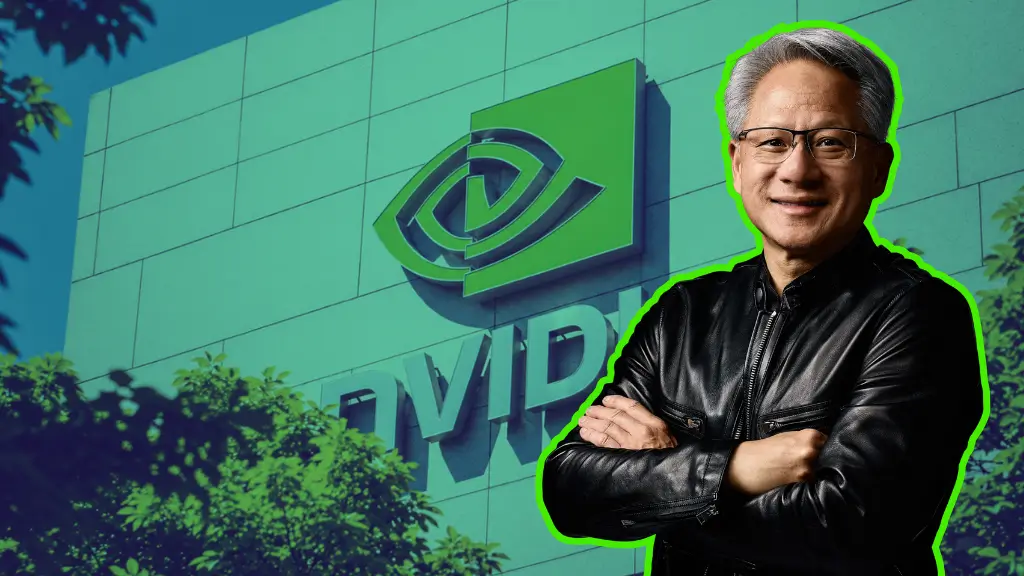
The agreements include an expanded alliance with Hyundai Motor Group aimed at bringing AI to factory floors and all forms of transportation, signaling a broader shift in how the auto industry will design, build, and sell vehicles. Nvidia CEO Jensen Huang made the announcements during a high-profile visit to Seoul that included meetings with the country’s top corporate leaders.
Hyundai brings AI to mobility
The Hyundai partnership puts Nvidia technology directly inside vehicle development, manufacturing, and assembly line robotics. Huang met with Hyundai Motor Executive Chair Chung Euisun in Seoul on Monday to outline an expanded AI and robotics roadmap, according to Bloomberg. The discussion focused on moving robotics from research labs to factory floors and scaling AI across mobility and manufacturing.
Huang said the two companies are getting “very, very close” to industrializing robotics. He emphasized Hyundai’s manufacturing scale as a key advantage in bringing that vision to life.
“Hyundai is incredible at manufacturing, incredible at mobility, incredible at heavy industries, manufacturing at extremely large scales,” Huang told reporters. The two companies are working toward a joint $5.9 billion AI and robotics development hub in South Korea. The project includes an AI data center, a robot manufacturing cluster, and a hydrogen plant.
Robotics and physical AI
LG and Doosan are both embedded in the supply chain that builds and powers vehicles. Nvidia announced AI factory partnerships with both companies covering robotics, autonomous manufacturing, and industrial AI.
The LG deal includes plans to build an autonomous manufacturing ecosystem connecting procurement, production, logistics, and customer delivery through data and AI. Doosan’s partnership spans Doosan Robotics, Doosan Bobcat, Doosan Enerbility, and Doosan Corporation Electro-Materials. Together, the deals could accelerate automation across vehicle production and logistics.
“Korea is extraordinary at manufacturing, mechatronics and AI, and the fusion of these strengths will make robotics and physical AI a major growth sector for the country,” said Huang, in the LG press release.
Building the AI supply chain
The remaining deals target the memory chips, cloud infrastructure, and data platforms that power AI across every industry, including automotive. Nvidia and SK Hynix announced a multiyear partnership to develop next-generation memory for global AI factories. The agreement covers memory for Nvidia’s next-generation AI supercomputers, CPUs, and robotics platforms.
“AI factories are the engines of the next industrial revolution, and advanced memory is essential to their performance,” said Huang, in the SK Hynix press release.
SK Telecom plans to build a gigawatt-scale AI Cloud using Nvidia technology, with the first facility coming online in 2027. Naver announced plans to expand sovereign AI infrastructure starting at 55 megawatts, scaling to gigawatt capacity, anchored at its GAK Sejong data center in Sejong, South Korea.
The South Korea deals are part of a broader global push by Nvidia to build AI infrastructure across multiple regions, driven in part by restrictions on chip exports to China that have cut into its once-dominant share of that market, according to Reuters.
South Korea is an Asian manufacturing powerhouse, home to major producers of chips, electronics, cars, and ships. Nvidia’s deepening presence there reflects a strategy to lock in the memory supply, cloud capacity, and manufacturing partnerships needed to sustain the global AI buildout for years to come.