TSLA406.38817.4883%
GM81.9053.855%
F12.9400.5%
RIVN17.4060.5157%
CYD42.8300.5081%
HMC25.2450.885%
TM218.6705.81%
CVNA395.54033.3%
PAG162.7306.71%
LAD286.83011.96%
AN208.40010.11%
GPI351.91016.43%
ABG213.2109.12%
SAH71.1503.78%
TSLA406.38817.4883%
GM81.9053.855%
F12.9400.5%
RIVN17.4060.5157%
CYD42.8300.5081%
HMC25.2450.885%
TM218.6705.81%
CVNA395.54033.3%
PAG162.7306.71%
LAD286.83011.96%
AN208.40010.11%
GPI351.91016.43%
ABG213.2109.12%
SAH71.1503.78%
TSLA406.38817.4883%
GM81.9053.855%
F12.9400.5%
RIVN17.4060.5157%
CYD42.8300.5081%
HMC25.2450.885%
TM218.6705.81%
CVNA395.54033.3%
PAG162.7306.71%
LAD286.83011.96%
AN208.40010.11%
GPI351.91016.43%
ABG213.2109.12%
SAH71.1503.78%

NHTSA takes closer look at Ford’s 2022 Mustang Mach-E recall

The NHTSA launched a probe into the recall after receiving 12 customer complaints alleging that their Mach-E vehicles are still problematic.

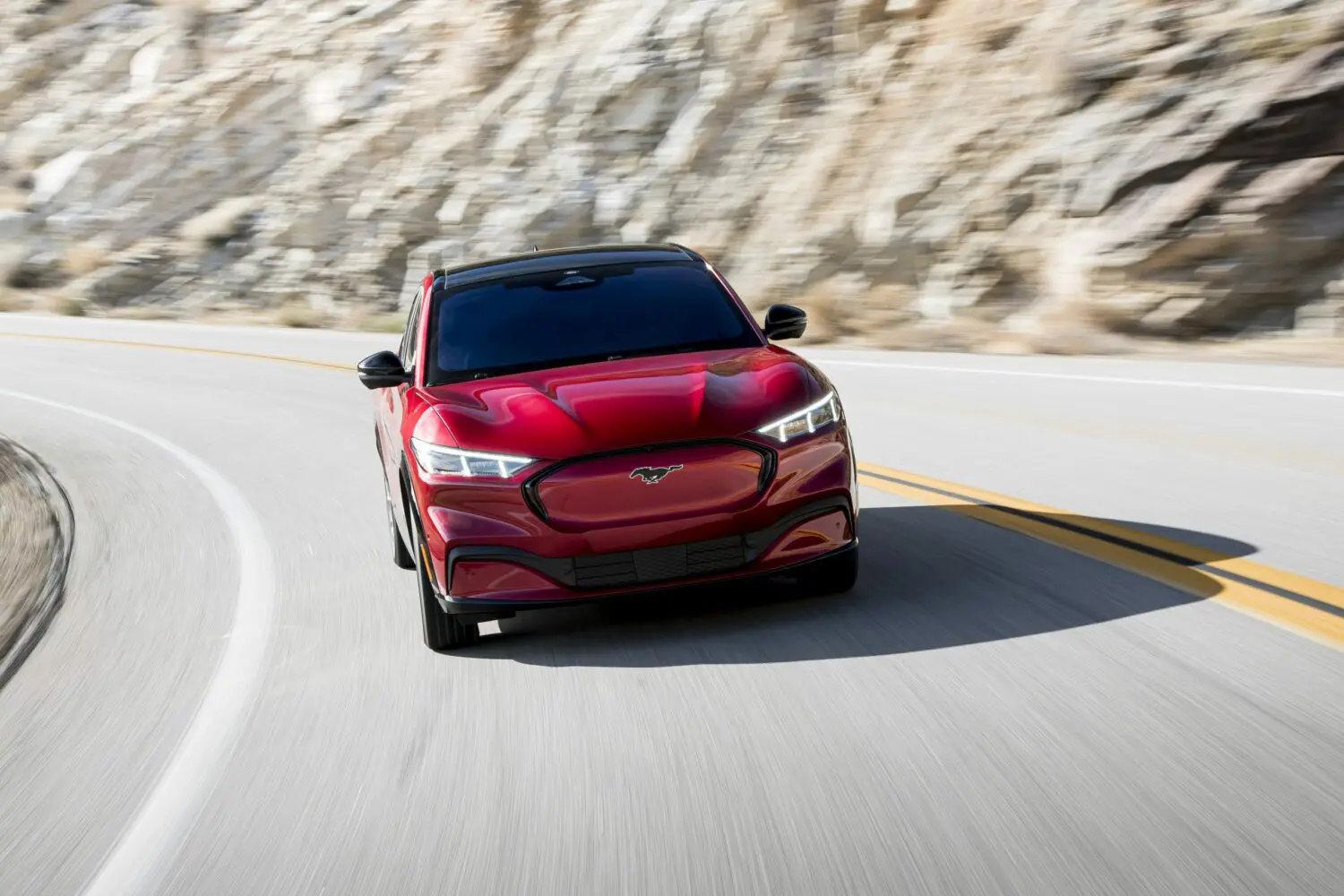
2021 Ford Mustang Mach-E // Image source: Ford

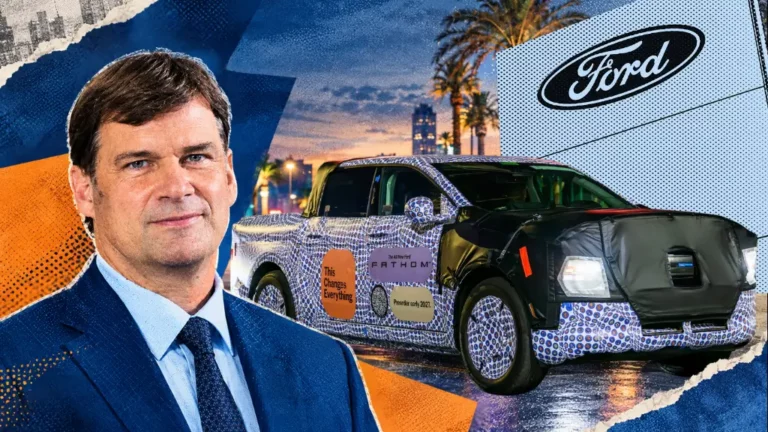
The National Highway Traffic Safety Administration (NHTSA) has launched an investigation into Ford Motor Company‘s handling of a 2022 recall that affected nearly 49,000 Mustang Mach-E vehicles. 

Ford initiated the recall due to an issue with the Mach-E’s high-voltage battery main contactors. There were reports of the components overheating as a consequence of both DC fast charging and frequent rapid acceleration. In some instances, overheating led to an abrupt loss of power in propulsion and increased the chances of a collision.

Ford temporarily stopped shipments of the Mach-E to dealerships and introduced two software updates to address the concerns. These updates were implemented to monitor the contactors’ temperature and decrease battery power to mitigate potential harm. The automaker then released a technical service bulletin outlining the replacement procedure for the affected models.

However, a trio of Mach-E owners filed a federal lawsuit against Ford in 2022, claiming the automaker was aware of the design flaw. Even though these owners were alerted to the recall, the complaint argued that it was unclear whether Ford had a “real solution” for the problem. According to the lawsuit, Ford should have informed customers about the flaws at the time of purchase.

The complaints don’t stop there. The NHTSA’s Office of Defects Investigation (ODI) launched an investigative probe into the recall after receiving 12 customer complaints alleging that their Mach-E vehicles are still experiencing problems despite receiving the fix. 

As reported by Reuters, one Mach-E owner told the NHTSA that two days after receiving the software update, the vehicle suffered a second catastrophic failure of its high-voltage battery junction box.
More from Articles
GM leans on global production to supply U.S. market amid cost pressures

GM leans on global production to supply U.S. market amid cost pressures

- April 17, 2026
On the Dash: Imported inventory may create variability in delivery timing and supply consistency. Trade policy shifts could impact the pricing and availability of certain models. Global production strategies may...
Volkswagen ends U.S. EV output, triggering $600 million financial hit 

Volkswagen ends U.S. EV output, triggering $600 million financial hit 

- April 17, 2026
On the Dash: Slower EV demand may impact inventory planning and turn rates for electric models. Production pullbacks could tighten EV supply or shift sourcing toward imports. Ongoing cost pressures...
March sales surge tightens inventory, affordability gaps persist

March sales surge tightens inventory, affordability gaps persist

- April 17, 2026
On the Dash: Faster March sales improved inventory flow, but demand remains uneven heading into Q2. Limited sub-$40K inventory continues to constrain volume opportunities. Rising incentives indicate growing pressure to...
Independent shops are gaining ground, but dealerships retain advantages in expertise, loyalty, and digital tools: New CDK Service Shopper 5.0 survey shows

Independent shops gain ground as dealerships face mounting pressure

- April 17, 2026
On the dash: Independent shops are gaining share, but dealerships still lead at 42% overall service volume. Dealerships win on expertise, OEM parts access, EV repairs, and stronger customer loyalty...
CBT News
Privacy Overview

This website uses cookies so that we can provide you with the best user experience possible. Cookie information is stored in your browser and performs functions such as recognising you when you return to our website and helping our team to understand which sections of the website you find most interesting and useful.