According to the latest Lotlinx 2026 Inventory Health Survey, only 9% of dealerships can identify a struggling vehicle within the first 15 days. That delay can erode margins, which leaves dealers with fewer options by the time they recognize a problem.
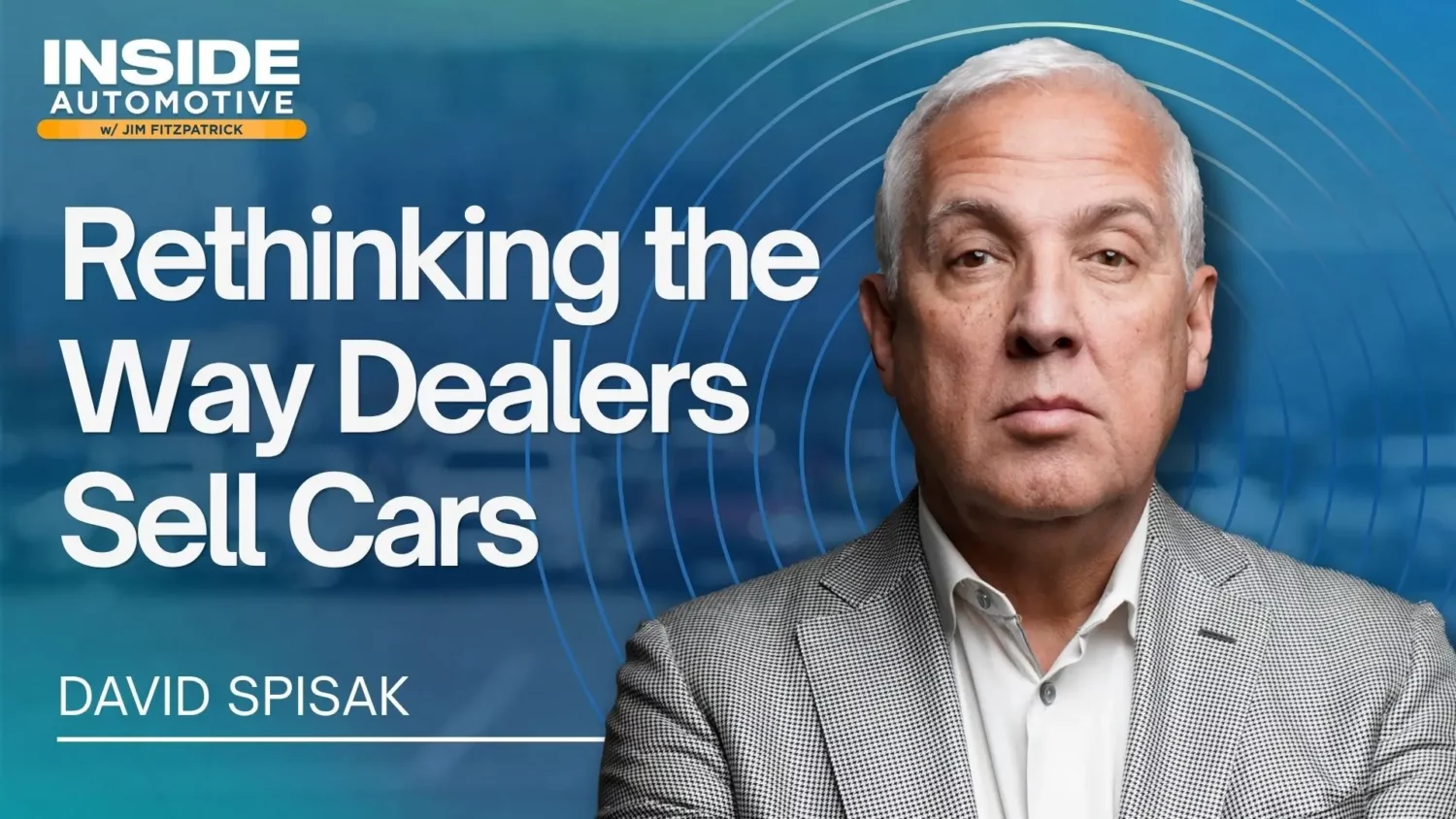
On today’s episode of Inside Automotive, Randy Kobat, Chief Commercial Officer at Lotlinx, breaks down why dealers need to rethink how they manage inventory and what dealers can do differently.
“That VIN-level visibility can show dealers which vehicles need attention, which ones don't, and where action can protect your margin.”
According to Kobat, many dealers don’t recognize inventory risks until a vehicle has already become expensive to carry. Lotlinx’s survey found that nearly two-thirds of dealerships take 15 to 45 days to identify at-risk inventory, limiting their ability to protect gross profit.
Rather than relying solely on aging reports, Kobat encourages dealers to monitor what Lotlinx calls “inventory health,” a more proactive approach that evaluates each vehicle based on factors such as local demand, competitive pricing, merchandising quality, and shopper activity. The goal is to identify potential issues before a vehicle becomes aged inventory.
Revealing hidden risks
Kobat notes that dealerships don’t make or lose money on average, rather, they do so one vehicle at a time. While inventory may appear healthy at the portfolio level, individual vehicles can carry very different levels of risk due to differences in acquisition cost, market demand, and pricing. That VIN-level visibility helps dealers determine which vehicles require immediate attention and which can continue following their current sales strategy.
The survey also found that inventory, marketing and sales teams often operate independently, creating delays in responding to inventory challenges. Kobat notes that only 12% of dealerships reported that those departments are highly aligned.
Each department, Kobat said, views inventory through a different lens, with inventory managers tracking aging, marketing teams monitoring advertising performance and sales teams focusing on leads. Without a shared VIN-level strategy, dealerships risk making disconnected decisions that reduce profitability.
Kobat also believes dealers should stop distributing marketing dollars evenly across every vehicle on the lot. Instead, he says that marketing investments should reflect each VIN’s individual needs. While some vehicles already generate sufficient shopper interest, others require additional demand generation. In other cases, pricing or merchandising (not advertising) is the underlying issue. But by identifying the root cause first allows dealers to allocate marketing budgets more effectively.
AI helping dealers
According to Kobat, artificial intelligence continues to play a growing role in inventory management by analyzing more data than dealership teams can monitor manually. Kobat said AI can continuously evaluate factors including vehicle age, pricing, local demand, competitive supply, shopper activity and existing marketing support to identify developing risks earlier.
Rather than replacing dealers’ decision-makers, he says AI equips them with better information to act before inventory begins eroding margins.
"Don't wait until a vehicle has become aged to decide that it is a problem."
Looking ahead
Ultimately, as dealers navigate the second half of 2026, Kobat recommends shifting away from reliance on aging reports and instead identifying inventory risk in the first few weeks after a vehicle arrives on the lot. The sooner dealerships recognize weakening demand or competitive disadvantages, the more opportunities they have to adjust pricing, merchandising or marketing before sacrificing profitability.