TSLA375.8702.15%
GM78.015-0.505%
F12.375-0.105%
RIVN16.568-0.3822%
CYD41.380-0.49%
HMC24.275-0.205%
TM192.600-3.48%
CVNA402.880-0.14%
PAG160.6300.63%
LAD274.720-1.67%
AN203.2200.25%
GPI338.490-1.29%
ABG201.700-0.31%
SAH71.3300.11%
TSLA375.8702.15%
GM78.015-0.505%
F12.375-0.105%
RIVN16.568-0.3822%
CYD41.380-0.49%
HMC24.275-0.205%
TM192.600-3.48%
CVNA402.880-0.14%
PAG160.6300.63%
LAD274.720-1.67%
AN203.2200.25%
GPI338.490-1.29%
ABG201.700-0.31%
SAH71.3300.11%
TSLA375.8702.15%
GM78.015-0.505%
F12.375-0.105%
RIVN16.568-0.3822%
CYD41.380-0.49%
HMC24.275-0.205%
TM192.600-3.48%
CVNA402.880-0.14%
PAG160.6300.63%
LAD274.720-1.67%
AN203.2200.25%
GPI338.490-1.29%
ABG201.700-0.31%
SAH71.3300.11%

J.D. Power study shows EV home charging experience impacted by rising costs

The study found that overall satisfaction decreased by 12 points from last year on a 1,000-point scale.
home charging

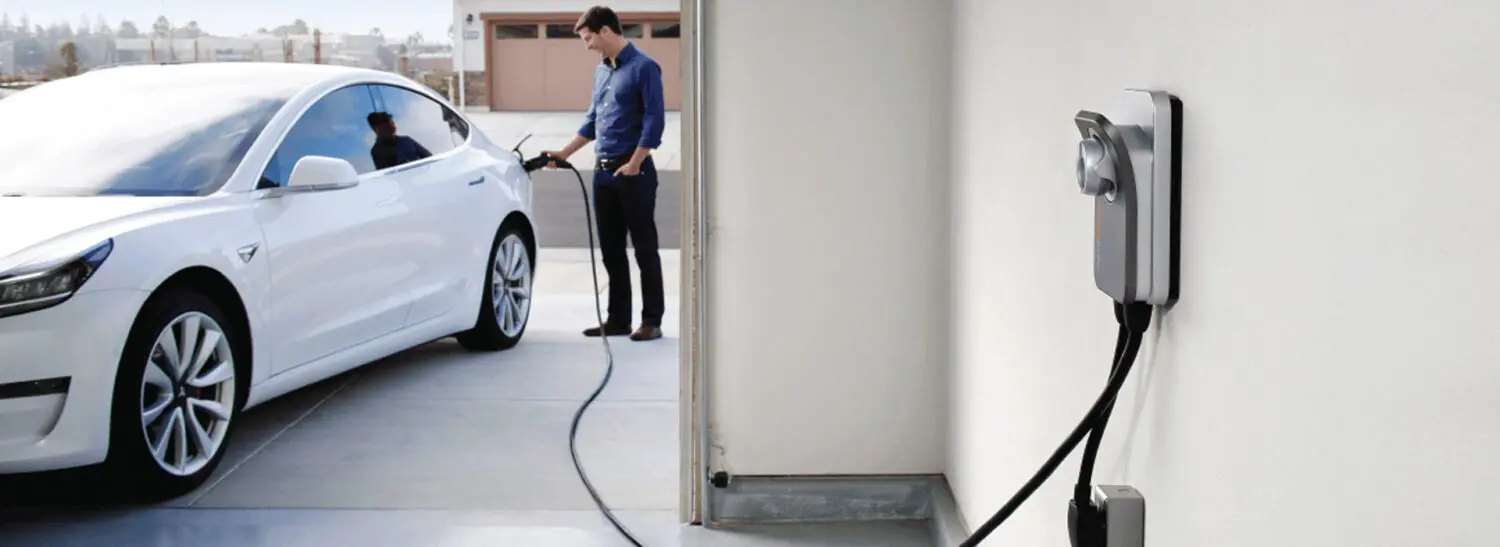
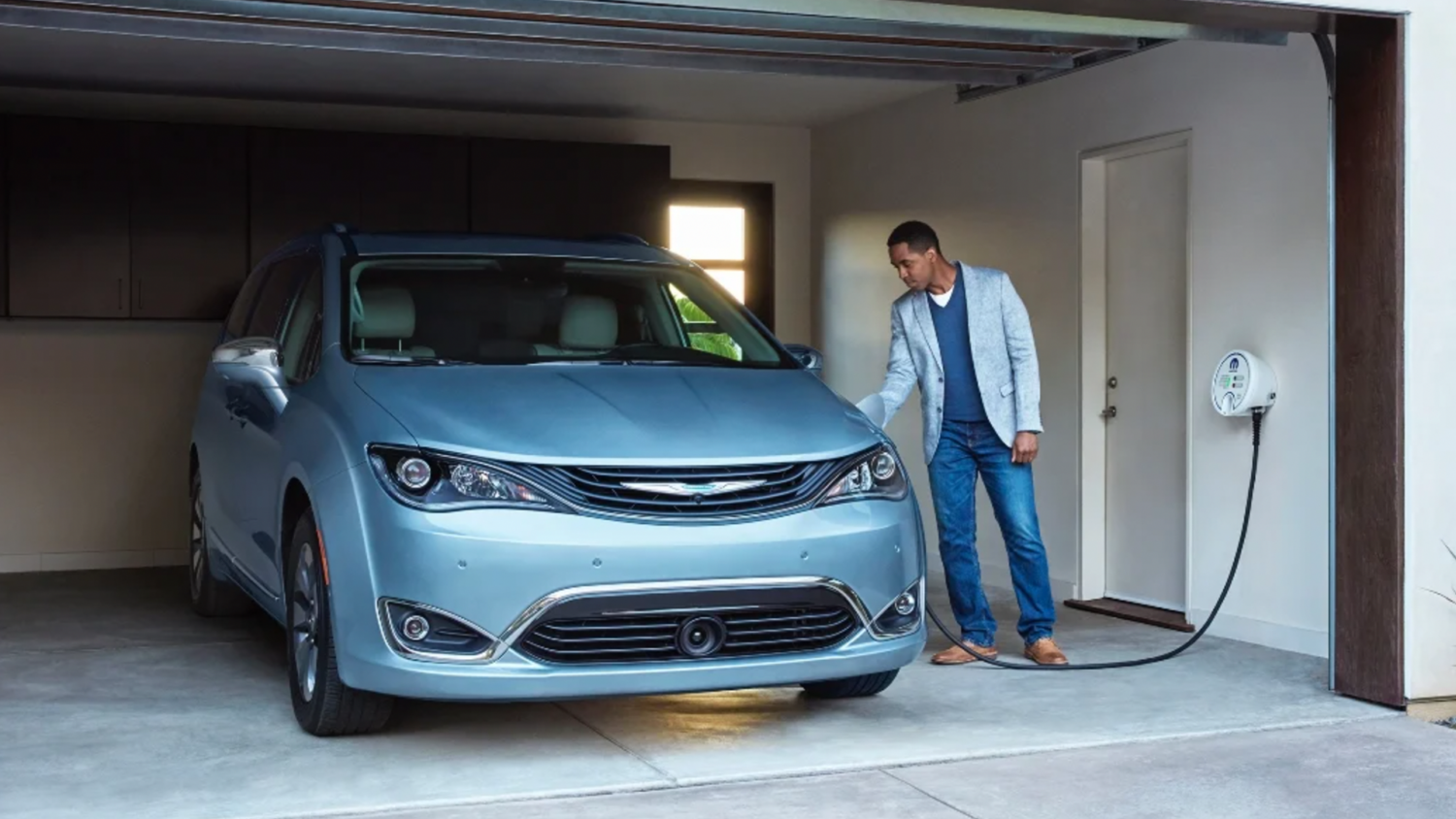
According to J.D. Power’s 2023 U.S. Electric Vehicle Experience Home Charging Study released on March 16, 2023, the growing EV market has experienced rising electricity rates partly due to the recent inflationary period, which has led to lower satisfaction with home charging. 

Although more than two-thirds (68%) of EV owners have a permanent level 2 charging station at home, their overall satisfaction decreased by 12 points from last year on a 1,000-point scale, the study found. 

The speed for all three home charging segments is another factor bringing down overall satisfaction in the study. The 2023 survey reveals that owners of 2022 and 2023 model EVs are less satisfied with their home charging speeds of 605 and 597, than owners of 2021 and 2020 model EVs with speeds of 616 and 608.

Brent Gruber, executive director of the EV practice at J.D. Power stated that “improving the EV user experience with regard to home charging should be a common goal shared by all participants in the EV ecosystem.” Adding, brands that assist owners in utilizing EV charging opportunities will be in a far better position in the future as the EV industry expands.

Eight factors are used to gauge customer satisfaction: reliability, cost of charging, charging speed, cost of winding/storing cable, length of cord, size of charger, and ease of winding/storing cable. These variables offer a thorough evaluation of charger performance and owner experience.

The 2023 study’s primary findings are as follows:

  • The importance of educating owners grows as electricity prices rise: Only 51% of EV owners, up slightly from 49% a year ago, claim to be aware of utility company programs for charging their vehicles at home. Adrian Chung, head of utility intelligence at J.D. Power, stated that “customers are looking to utility firms to help manage rising prices.”
  • More than one-third of owners (35%) say they always schedule a time to charge their car at home, compared to 49% who say they don’t utilize any scheduling. This indicates that arranging charge times boosts satisfaction. Among those who choose to schedule home charging via an app shows satisfaction is the highest when using the vehicle mobile app rather than the charger mobile app.
Further Reading
More from Articles
Toyota Mobility Foundation Names Innovators in Clean Freight as Detroit Winners of Global Sustainable Cities Challenge

Toyota Mobility Foundation names innovators in clean freight as Detroit winners of Global Sustainable Cities Challenge

- April 24, 2026
DETROIT, April 23, 2026 /PRNewswire/ -- The Toyota Mobility Foundation (TMF) and City of Detroit today announced three winners of TMF's Sustainable Cities Challenge in Detroit. The announcement marks the conclusion of the...
Baumann Auto Group

Baumann Auto Group acquires Firelands Chevrolet of Norwalk in Ohio

- April 24, 2026
Ohio-based Baumann Auto Group has acquired Firelands Chevrolet of Norwalk from Patrick O'Brien of Firelands Auto Group, expanding its footprint in northern Ohio. The transaction closed on March 25, 2026,...
Ford doubles down on U.S. assembly as trade policies shift industry strategy

Ford doubles down on U.S. assembly as trade policies shift industry strategy

- April 24, 2026
On the Dash: Ford’s domestic production advantage may become a stronger selling point as “Made in America” messaging gains traction. Policy-driven incentives could shift consumer demand toward U.S.-assembled vehicles Inventory...
Stellantis to prioritize four core brands in turnaround strategy, sources say The automaker plans to shift funding toward Jeep, Ram, Peugeot, and Fiat while maintaining its broader portfolio. On the Dash: Expect increased product investment and marketing support for Jeep, Ram, Peugeot and Fiat. Regional and niche brands may see reduced volume but more targeted positioning and shared platforms. Platform-sharing and rebadging strategies could affect inventory mix and model differentiation. Stellantis will concentrate most of its investment on four core brands as CEO Antonio Filosa pushes a turnaround strategy set for release May 21, according to a Reuters exclusive. The automaker has identified Jeep, Ram, Peugeot, and Fiat as its priority brands. It will allocate a “material increase” in funding to them, driven by their stronger global sales and profitability, marking a shift away from the company’s previous approach of distributing investment more evenly across its portfolio. Sign up for CBT News’ daily newsletter and get the latest industry stories delivered straight to your inbox. Stellantis will retain its 14-brand lineup, the largest in the industry, and will not shut down underperforming marques. Instead, the company will reposition secondary brands such as Citroën, Opel and Alfa Romeo to operate in regional or niche roles. These brands will rely on shared platforms and technology developed by the core brands while maintaining distinct styling and market identity. The strategy comes as Stellantis works to regain market share in the United States and Europe while facing growing competition from Chinese EV makers. The company earlier reported a 22.2 billion-euro charge tied to scaling back its EV plans, underscoring the urgency of the strategic shift. Its market valuation has also declined significantly in recent months. To support the transition, Stellantis will expand its use of shared “multi-energy” platforms that support electric, hybrid and internal combustion (ICE) vehicles. Additionally, the company is evaluating rebadging strategies and joint development programs, including collaborations with its Chinese partner, Leapmotor. Executives and investors backing the plan expect the increased focus on core brands to improve efficiency and strengthen financial performance. Analysts say Stellantis could still consider further consolidation if results fall short of expectations. Meta description (140 characters) Stellantis to boost funding for Jeep, Ram, Peugeot and Fiat, shifting strategy while maintaining its 14-brand global portfolio.

Stellantis to prioritize four core brands in turnaround strategy, sources say

- April 24, 2026
On the Dash: Expect increased product investment and marketing support for Jeep, Ram, Peugeot and Fiat. Regional and niche brands may see reduced volume but more targeted positioning and shared...
CBT News
Privacy Overview

This website uses cookies so that we can provide you with the best user experience possible. Cookie information is stored in your browser and performs functions such as recognising you when you return to our website and helping our team to understand which sections of the website you find most interesting and useful.