Hyper-Drive Service Strategies for Today’s Dealerships
Being a forward-thinking dealer is not enough in today’s hyper-fast service and parts operations. While fixed operations have always provided steady profits, hyper-drive dealerships are moving beyond traditional service models to capture new revenue streams and improve customer satisfaction simultaneously.
Mobile Service: Bringing the Dealership to the Customer
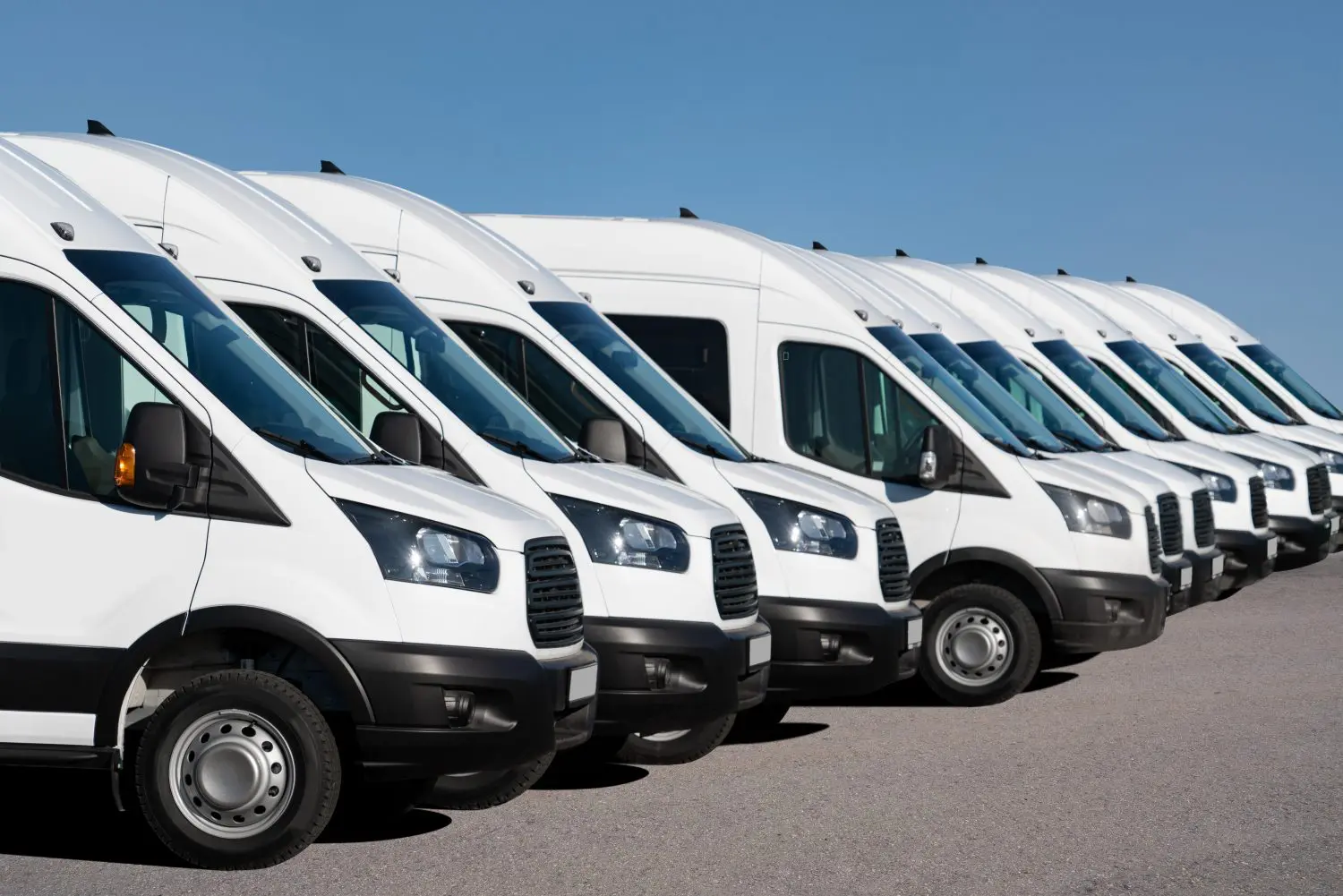
One of the most promising ideas to enter service operations is the deployment of mobile service units. These fully-equipped service vehicles allow technicians to perform maintenance and repairs at customers’ homes or workplaces, creating convenience that independent shops struggle to match.
Mobile service units generate revenue in multiple ways. Beyond the direct revenue from mobile repairs, they free up valuable bay space in the main facility. This increased capacity allows the fixed service department to handle additional repairs and more complex jobs that require specialized equipment.
Dealerships implementing mobile service report that technician productivity typically improves as well. Mobile technicians often complete repair orders that may have slowed down their in-shop counterparts. due to fewer distractions and the elimination of vehicle shuttling between departments.
Early adopters like Bozard Ford Lincoln found that mobile service units became profitable within months of launch. Knowing that some of the realized gains are hidden in the additional shop capacity gained! Their mobile teams now handle 20-30% of light maintenance work, creating additional capacity in the main shop that has been filled with higher-margin repair work.
The Double-Edged Sword of Matrix Pricing
Many dealerships have implemented matrix pricing in service departments, automatically marking labor based on hours sold. However, this approach often backfires when it comes to retaining customers with older vehicles.
Matrix pricing systems typically apply the highest markups to older vehicles, precisely the segment where customers are most price-sensitive and likely to comparison shop. This pricing approach effectively pushes these customers—and their potentially lucrative service work—to independent shops.
Instead of relying on matrix pricing, hyper-drive dealers are creating tiered service options specifically designed for older vehicles. These programs acknowledge the competition from independent shops and offer competitive pricing as well as offers for aftermarket parts, while still emphasizing the value of factory-trained technicians and OEM parts.
Specialized Service Centers: Embracing Vehicle Evolution
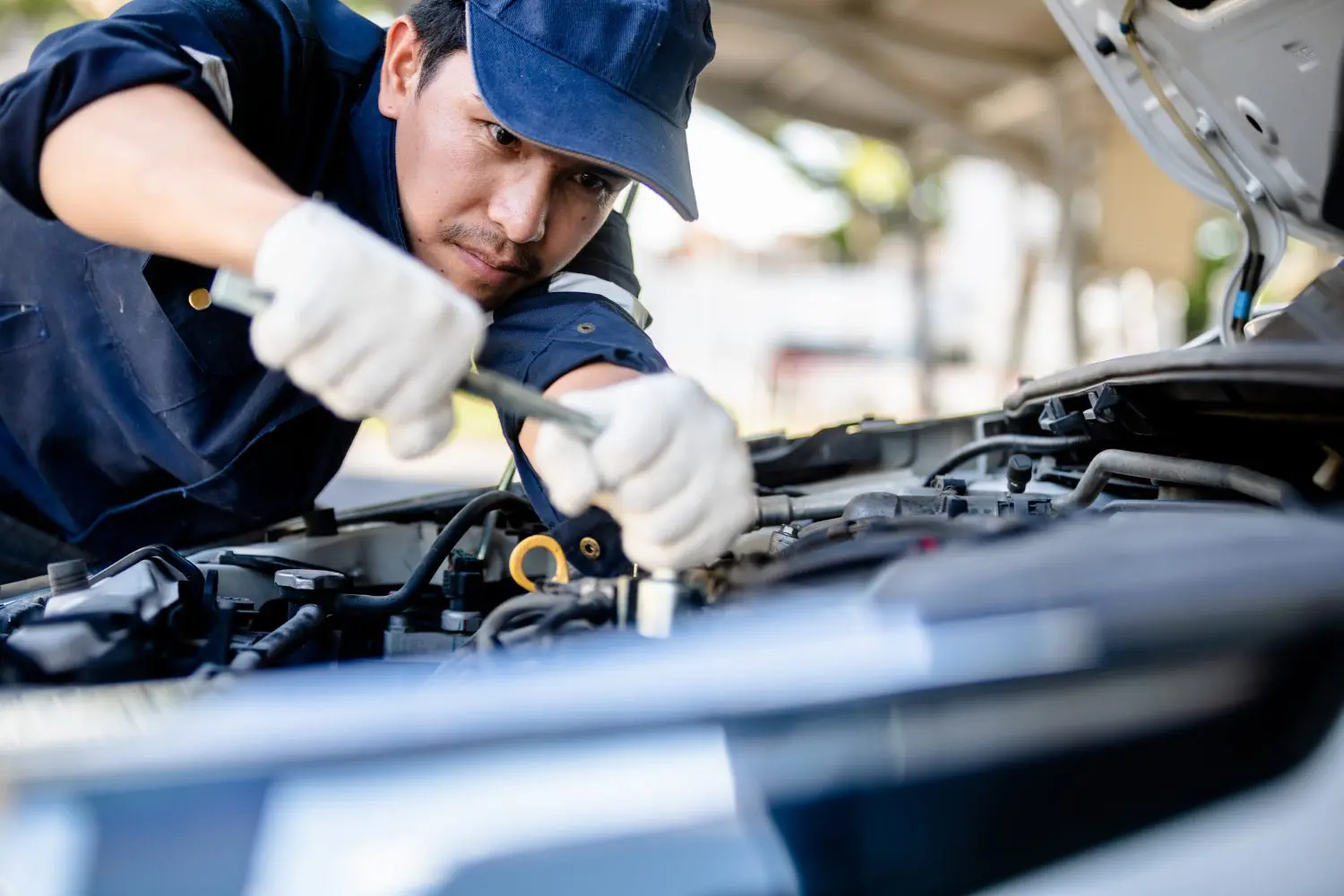
As EVs and advanced driver assistance systems become more common, hyper-drive dealerships should be creating specialized service centers specifically for these technologies. These centers feature dedicated training programs and specialized equipment that position the dealership as the clear expert for these increasingly complex systems.
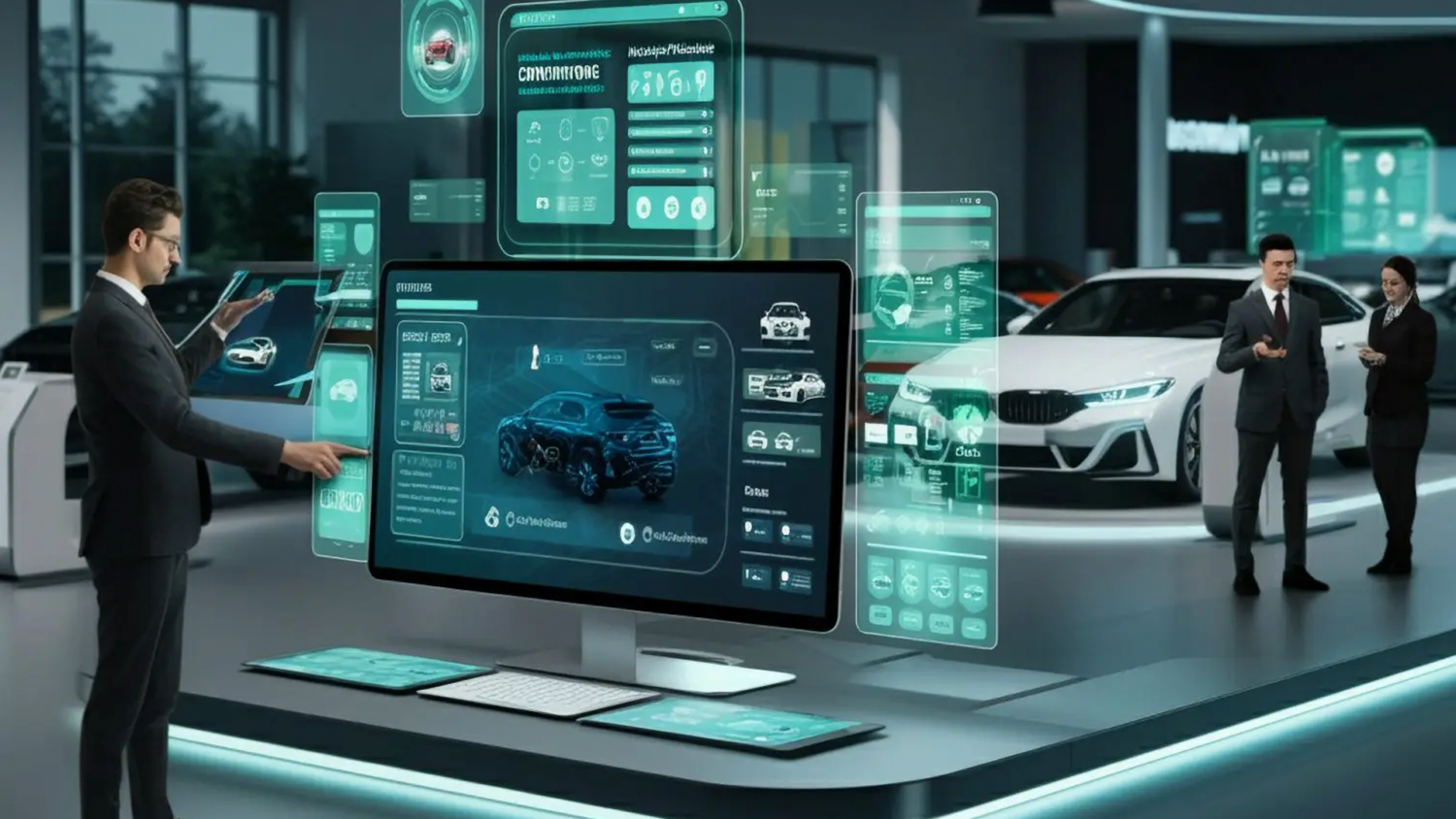
Beyond the technical advantages, these specialized centers create distinct customer experiences that appeal to tech-forward vehicle owners. Digital integration is paramount, with features like automated check-in processes, real-time repair updates, and transparent documentation of completed work available through dedicated apps.
All New Parts Distribution Models
The traditional parts department model is being disrupted by hyper-drive approaches to inventory management and distribution:
Just-In-Time Parts Partnerships
Rather than maintaining extensive inventories of slow-moving parts, progressive dealerships are forming strategic partnerships with regional parts distributors for just-in-time delivery. This approach reduces carrying costs while still providing quick access to less common parts when needed.
Subscription-Based Maintenance Packages
Dealerships are finding success with subscription-based maintenance packages that include parts and labor for a fixed monthly fee. These programs build predictable revenue streams while giving customers budget certainty for their vehicle expenses.
Leveraging Data for Predictive Service
The increasing connectivity of modern vehicles provides unprecedented opportunities for hyper-drive dealerships to offer predictive maintenance services. By monitoring vehicle data, service departments can proactively reach out to customers before problems occur or as soon as maintenance is due, creating both additional service opportunities and improved customer satisfaction.
Integrated systems that analyze this data can automatically schedule appointments when maintenance is due or when diagnostic trouble codes appear, bringing customers back to the dealership at precisely the right moment.
Measuring Success Differently
Hyper-drive dealerships are moving beyond conventional metrics like hours per repair order and effective labor rate to focus on lifetime customer value and service retention rates. This approach recognizes that a customer who returns for service throughout their vehicle ownership cycle represents far more value than one who might generate a higher margin on a single visit but never returns.
Investing in the Future
The dealerships poised to capture the most service and parts revenue are those investing in both technology and people. Technician development programs, leadership training for service advisors, and digital tools that enhance the customer experience all contribute to building fixed operations departments that can thrive amid industry disruption.
By breaking from traditional service department models and embracing innovative approaches centered on customer convenience and value, dealers can build resilient, profitable fixed operations that drive overall dealership success for years to come.