TSLA330.8802.3%
GM87.9600.38%
F14.0150.035%
RIVN16.3900.39%
CYD46.150-1.17%
HMC31.720-0.1%
TM188.780-1.31%
CVNA74.2003.35%
PAG216.270-0.14%
LAD379.8404.21%
AN208.090-1.14%
GPI265.120-1.35%
ABG210.760-3.56%
SAH80.020-2.42%
TSLA330.8802.3%
GM87.9600.38%
F14.0150.035%
RIVN16.3900.39%
CYD46.150-1.17%
HMC31.720-0.1%
TM188.780-1.31%
CVNA74.2003.35%
PAG216.270-0.14%
LAD379.8404.21%
AN208.090-1.14%
GPI265.120-1.35%
ABG210.760-3.56%
SAH80.020-2.42%
TSLA330.8802.3%
GM87.9600.38%
F14.0150.035%
RIVN16.3900.39%
CYD46.150-1.17%
HMC31.720-0.1%
TM188.780-1.31%
CVNA74.2003.35%
PAG216.270-0.14%
LAD379.8404.21%
AN208.090-1.14%
GPI265.120-1.35%
ABG210.760-3.56%
SAH80.020-2.42%

GM to import Chinese batteries for 2026 Chevy Bolt, WSJ reports

The automaker is turning to CATL for low-cost EV batteries as U.S. supply chain development lags behind China’s dominance.
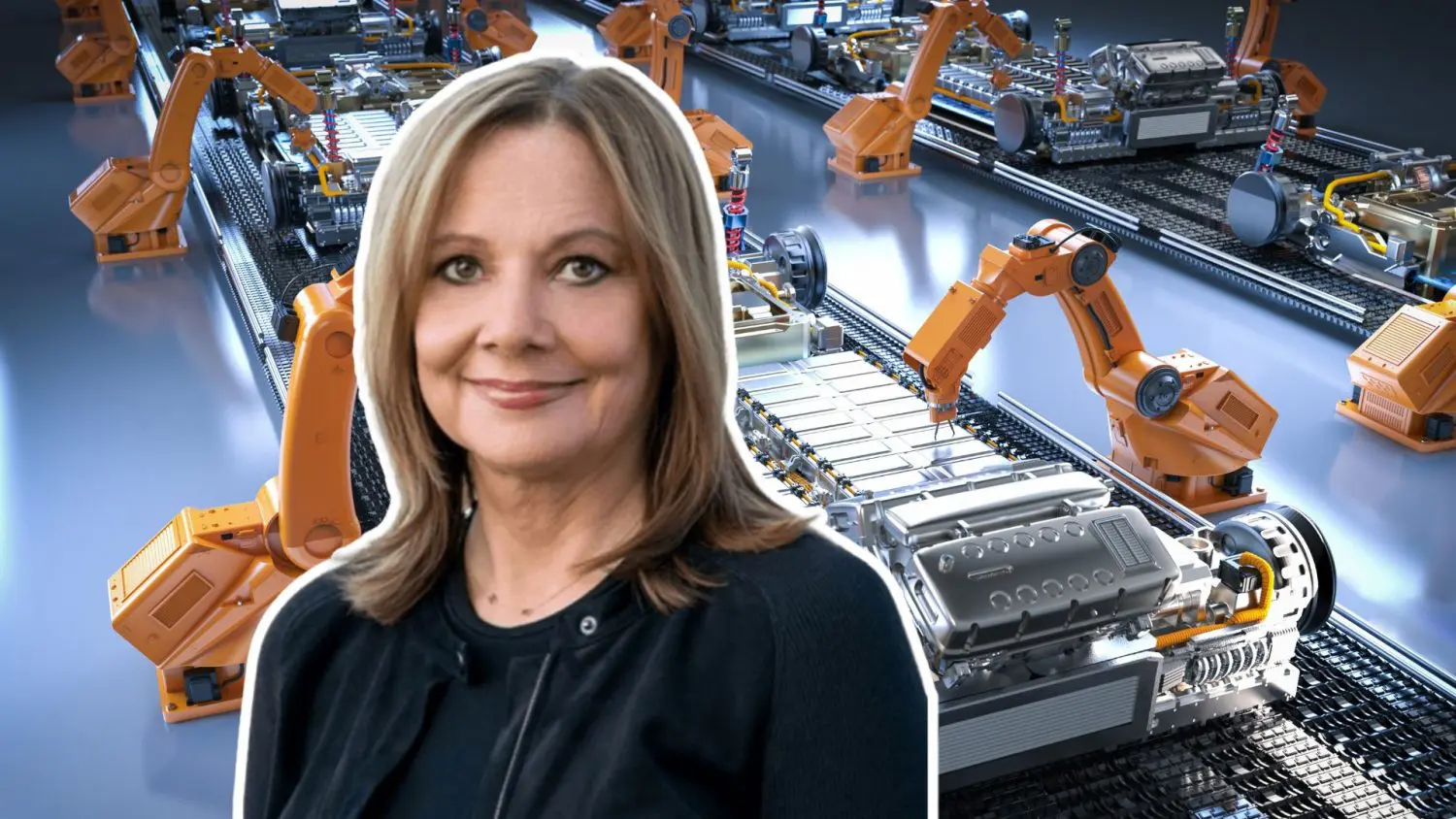
GM plans to import LFP batteries from China’s CATL to power its second-generation Chevrolet Bolt, despite facing steep tariffs.

General Motors plans to import lithium iron phosphate (LFP) batteries from China’s CATL to power its second-generation Chevrolet Bolt, a move that allows GM to keep its most affordable EV on track despite facing steep tariffs under President Trump’s trade policy. The Wall Street Journal reports the imports will serve as a two-year stopgap while GM and its Korean partner LG Energy Solution ramp up U.S.-based battery production.

The new Bolt, expected to begin production at GM’s Fairfax Assembly Plant in Kansas by late 2025 and arrive at dealerships in 2026, will retail around $30,000, making it a key part of GM’s strategy to deliver a lower-cost EV amid a highly competitive and price-sensitive market.

Sign up for CBT News’ daily newsletter and get the latest industry stories delivered straight to your inbox.

While GM has emphasized U.S. battery manufacturing in recent years, executives acknowledge that domestic supply chain limitations and the maturity of China’s LFP battery expertise make temporary imports necessary. The LFP chemistry, although originally developed in the U.S., is now largely commercialized and perfected in China. Despite the roughly 80% import duties on Chinese batteries, GM aims to keep the new Bolt profitable, or close to it, until its U.S. supply comes online by 2027.

Here’s why it matters:

This development has significant implications for dealers awaiting the return of GM’s most affordable EV. The decision to import LFP batteries from China ensures the new Bolt won’t be delayed, giving dealers a low-price EV option to attract cost-conscious buyers. It also signals GM’s flexible, cost-driven approach to EV strategy during a volatile policy environment. With the federal EV tax credit ending next month, the Bolt won’t be penalized for using Chinese components, leveling the playing field. Dealers should prepare for increased demand around the new Bolt’s launch, especially from first-time EV buyers and price-sensitive segments.

Key takeaways

  • GM turns to China’s CATL for Bolt batteries
    The automaker will source low-cost LFP batteries from CATL for about two years to support its next-gen Chevrolet Bolt production.
  • Bolt production resumes in Kansas
    The new model will be GM’s most affordable EV, which can be expected to start around $30,000 and hit dealerships in 2026. 
  • Tariffs won’t block GM’s pricing strategy
    Despite 80% import duties, GM expects the Bolt to remain marginally profitable, especially with cheaper LFP battery chemistry.
  • Tax credit changes ease compliance pressure
    With the $7,500 EV credit ending next month, GM avoids penalties it would have faced for using Chinese-made components in the Bolt.
  • U.S. battery supply remains behind China
    GM and LG’s Tennessee plant won’t begin making U.S.-based LFP batteries until 2027, highlighting America’s ongoing supply chain gap.

Read More
More from Articles
GM, SAIC extend China joint venture through 2047 as automakers target new growth

GM, SAIC extend China joint venture through 2047 as automakers target new growth

- August 11, 2026
On the Dash: GM and SAIC extended their joint venture through 2047. SAIC-GM plans at least 30 new energy vehicles by 2030. China-developed Buick NEVs could begin reaching international markets...
Auto credit hits decade high, approval rates climb to 74%

Auto credit hits decade high, approval rates climb to 74%

- August 11, 2026
On the Dash: Dealertrack index hit 105 in July, its highest reading since November 2015 Approval rates rose to 74%, up for a fourth straight month Loan terms over 72...
Tesla, Toyota recall more than 528,000 U.S. vehicles over safety issues

Tesla, Toyota recall more than 528,000 U.S. vehicles over safety issues

- August 11, 2026
On the Dash: Tesla is recalling 20,349 Model 3 and Model Y vehicles and has not yet finalized a fix. Toyota is also recalling 508,354 Camry Hybrids and will provide a free software...
Shopping is not buying: Why your website needs to become a 24/7 sales channel

Shopping is not buying: Why your website needs to become a 24/7 sales channel

- August 11, 2026
How many cars did you not sell last night? Not leads. Not VDPs. Vehicles that were on your site after hours, with buyers ready to move forward, but your website...
CBT News
Privacy Overview

This website uses cookies so that we can provide you with the best user experience possible. Cookie information is stored in your browser and performs functions such as recognising you when you return to our website and helping our team to understand which sections of the website you find most interesting and useful.