

On the Dash:
- GM is halting development of its next-generation hydrogen fuel cells and closing its HYDROTEC division, including a $55 million Detroit facility.
- The automaker will redirect investments toward electric vehicles, batteries, and charging technology, citing greater scalability and market demand.
- The shift comes amid potential federal grant cancellations and underscores hydrogen’s limited infrastructure and high costs in the U.S.
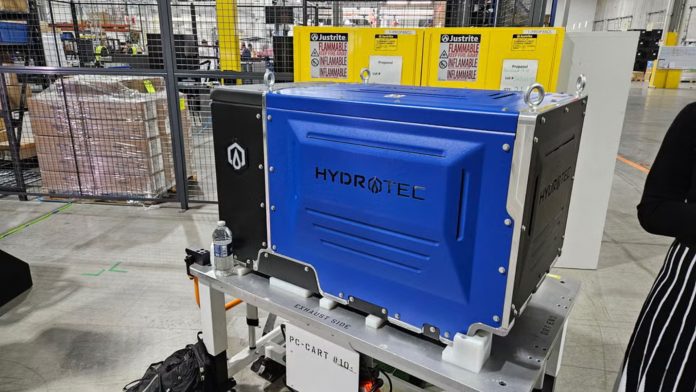
General Motors will end development of next-generation hydrogen fuel cells under its HYDROTEC brand as it pivots more aggressively toward electric vehicles and battery technology. The decision also ends plans for a $55 million hydrogen fuel cell plant in Detroit that was expected to employ 144 workers in partnership with Piston Automotive, owned by former NBA player Vinnie Johnson.
As part of the move, GM laid off salaried employees primarily in Pontiac, Michigan, following the closure of its HYDROTEC plant. The company said it is prioritizing investments in EV technology and redirecting its workforce and supplier relationships toward that effort.
The decision reflects GM’s growing confidence in EVs and its doubts about hydrogen’s near-term viability for consumer applications. While hydrogen fuel cells offer quick refueling and long range, the high production cost and limited fueling network have restricted growth. According to the U.S. Department of Energy, there are only 61 hydrogen refueling stations nationwide compared to more than 250,000 Level 2 or faster EV charging locations.
Notably, GM will continue producing hydrogen fuel cells through Fuel Cell System Manufacturing LLC, a joint venture with Honda, to serve industrial and commercial sectors, including power generation, mining, and heavy trucking.
The move follows the Trump administration’s recent indication that it plans to cancel two federal grants totaling $52 million that were previously awarded to GM for hydrogen development projects in Pontiac. The federal government had already distributed $9 million of the funding before the potential reversal.
GM has invested nearly $3 billion in hydrogen fuel cell research since the late 1990s, but now aims to consolidate its resources around technologies with the strongest commercial outlook.