TSLA380.840-10.22%
GM76.070-1.65%
F14.2150.025%
RIVN17.4550.365%
CYD43.900-0.815%
HMC28.160-0.61%
TM177.610-2.15%
CVNA67.360-3.3%
PAG202.660-2.08%
LAD335.280-3.88%
AN205.720-3.28%
GPI326.060-5.56%
ABG220.360-6.3%
SAH100.420-2.3%
TSLA380.840-10.22%
GM76.070-1.65%
F14.2150.025%
RIVN17.4550.365%
CYD43.900-0.815%
HMC28.160-0.61%
TM177.610-2.15%
CVNA67.360-3.3%
PAG202.660-2.08%
LAD335.280-3.88%
AN205.720-3.28%
GPI326.060-5.56%
ABG220.360-6.3%
SAH100.420-2.3%
TSLA380.840-10.22%
GM76.070-1.65%
F14.2150.025%
RIVN17.4550.365%
CYD43.900-0.815%
HMC28.160-0.61%
TM177.610-2.15%
CVNA67.360-3.3%
PAG202.660-2.08%
LAD335.280-3.88%
AN205.720-3.28%
GPI326.060-5.56%
ABG220.360-6.3%
SAH100.420-2.3%

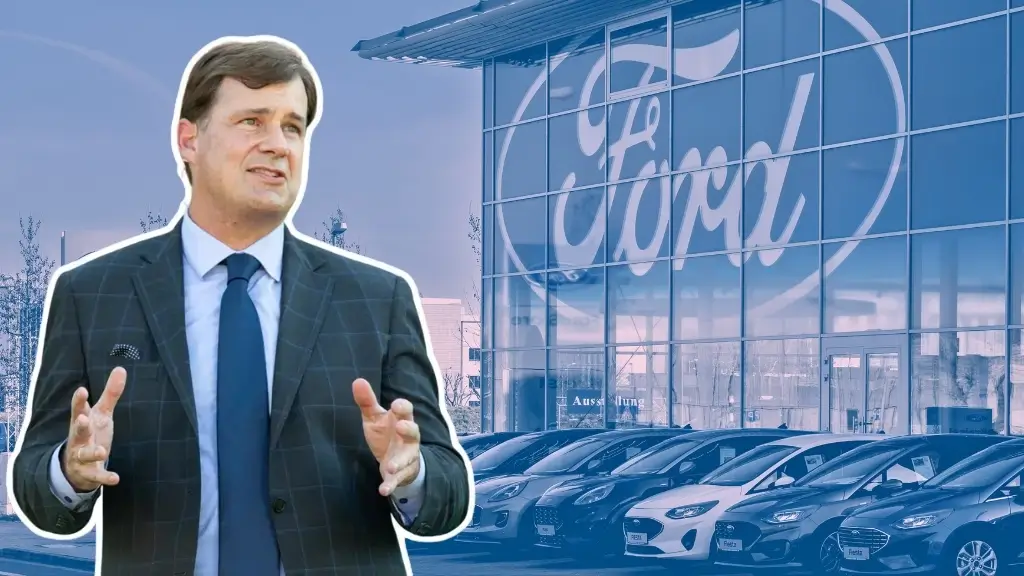
Ford ends $6.5B EV battery deal with LG Energy Solution amid EV pullback

Ford halts multibillion-dollar EV battery deal with LG Energy Solution amid policy shifts, declining demand, and EV model cancellations.
LG Energy Solution, Ford

On the Dash:

  • Ford is scaling back its EV strategy, terminating a $6.5 billion battery deal and canceling multiple EV models amid shifting demand and policy conditions.
  • Battery suppliers are feeling the impact, with both LG Energy Solution and SK On exiting major Ford-related projects.
  • Long-term EV investments are under review, signaling continued uncertainty for manufacturers, suppliers and dealers planning for electrification.

South Korea’s LG Energy Solution said Wednesday that Ford has terminated an electric vehicle battery supply agreement valued at about 9.6 trillion won ($6.50 billion), marking another major setback in the automaker’s electric vehicle strategy.

LG Energy Solution said in a regulatory filing that Ford issued a termination notice after deciding to halt production of some EV models, citing policy changes and a shifting outlook for EV demand.

Sign up for CBT News’ daily newsletter and get the latest industry stories delivered straight to your inbox

The battery maker had signed two contracts last October to supply EV batteries to Ford in Europe, with production scheduled to begin in 2026 and 2027. The cancellation underscores growing uncertainty around long-term EV investments as automakers reassess demand forecasts and regulatory conditions.

Ford’s decision follows a broader restructuring of its EV business. On Monday, the automaker said it will take a $19.5 billion writedown and cancel several electric vehicle models, representing one of the most significant examples yet of the industry’s retreat from battery-powered vehicles. The move comes as the Trump administration’s policies and softer consumer demand weigh on EV profitability.

The termination of the LG Energy Solution deal is not an isolated case. Last week, South Korean battery maker SK On said it decided to end its joint venture with Ford for battery factories in the United States. In 2022, Ford and SK On invested $11.4 billion to build the joint battery plants.

Together, the developments highlight mounting pressure across the EV supply chain, as automakers and battery manufacturers scale back or delay investments made during earlier periods of aggressive electrification plans.

Read More
More from Industry News
Detroit automakers respond to hazardous air as wildfire smoke impacts production

Detroit automakers respond to hazardous air as wildfire smoke impacts production

- July 17, 2026
On the Dash: Production remains online, but ongoing air quality issues could temporarily disrupt manufacturing output if conditions worsen. Any prolonged production interruptions at Michigan assembly plants could affect future...
Honda ends U.S. Prologue EV as hybrid demand reshapes strategy

Honda ends U.S. Prologue EV as hybrid demand reshapes strategy

- July 17, 2026
On the Dash: Honda dealers should expect hybrids, not EVs, to drive showroom traffic and sales growth in the near term. The Prologue's retirement reflects continued softness in U.S. EV...
Stellantis to prioritize four core brands in turnaround strategy, sources say The automaker plans to shift funding toward Jeep, Ram, Peugeot, and Fiat while maintaining its broader portfolio. On the Dash: Expect increased product investment and marketing support for Jeep, Ram, Peugeot and Fiat. Regional and niche brands may see reduced volume but more targeted positioning and shared platforms. Platform-sharing and rebadging strategies could affect inventory mix and model differentiation. Stellantis will concentrate most of its investment on four core brands as CEO Antonio Filosa pushes a turnaround strategy set for release May 21, according to a Reuters exclusive. The automaker has identified Jeep, Ram, Peugeot, and Fiat as its priority brands. It will allocate a “material increase” in funding to them, driven by their stronger global sales and profitability, marking a shift away from the company’s previous approach of distributing investment more evenly across its portfolio. Sign up for CBT News’ daily newsletter and get the latest industry stories delivered straight to your inbox. Stellantis will retain its 14-brand lineup, the largest in the industry, and will not shut down underperforming marques. Instead, the company will reposition secondary brands such as Citroën, Opel and Alfa Romeo to operate in regional or niche roles. These brands will rely on shared platforms and technology developed by the core brands while maintaining distinct styling and market identity. The strategy comes as Stellantis works to regain market share in the United States and Europe while facing growing competition from Chinese EV makers. The company earlier reported a 22.2 billion-euro charge tied to scaling back its EV plans, underscoring the urgency of the strategic shift. Its market valuation has also declined significantly in recent months. To support the transition, Stellantis will expand its use of shared “multi-energy” platforms that support electric, hybrid and internal combustion (ICE) vehicles. Additionally, the company is evaluating rebadging strategies and joint development programs, including collaborations with its Chinese partner, Leapmotor. Executives and investors backing the plan expect the increased focus on core brands to improve efficiency and strengthen financial performance. Analysts say Stellantis could still consider further consolidation if results fall short of expectations. Meta description (140 characters) Stellantis to boost funding for Jeep, Ram, Peugeot and Fiat, shifting strategy while maintaining its 14-brand global portfolio.

Stellantis revives supplier rewards program to drive cost savings

- July 16, 2026
On the Dash: Lower supplier costs could help Stellantis improve profitability while funding future vehicle launches. Changes in supplier contracts may influence production costs, parts pricing and vehicle availability over...
Mitsubishi expands Texas port operations to speed dealer deliveries

Mitsubishi expands Texas port operations to speed dealer deliveries

- July 16, 2026
On the Dash: Faster distribution could reduce delivery times for Mitsubishi dealers in the Gulf Coast and Midwest. Expanded port capacity gives Mitsubishi greater flexibility if supply chain disruptions occur...
CBT News
Privacy Overview

This website uses cookies so that we can provide you with the best user experience possible. Cookie information is stored in your browser and performs functions such as recognising you when you return to our website and helping our team to understand which sections of the website you find most interesting and useful.