TSLA422.240-21.06%
GM74.860-2.89%
F13.410-1.07%
RIVN13.790-0.73%
CYD50.000-1.02%
HMC26.1800.51%
TM190.6800.18%
CVNA67.170-2.36%
PAG162.180-6.88%
LAD261.920-12.84%
AN184.150-8.5%
GPI313.620-20.71%
ABG179.170-13.92%
SAH73.960-3.88%
TSLA422.240-21.06%
GM74.860-2.89%
F13.410-1.07%
RIVN13.790-0.73%
CYD50.000-1.02%
HMC26.1800.51%
TM190.6800.18%
CVNA67.170-2.36%
PAG162.180-6.88%
LAD261.920-12.84%
AN184.150-8.5%
GPI313.620-20.71%
ABG179.170-13.92%
SAH73.960-3.88%
TSLA422.240-21.06%
GM74.860-2.89%
F13.410-1.07%
RIVN13.790-0.73%
CYD50.000-1.02%
HMC26.1800.51%
TM190.6800.18%
CVNA67.170-2.36%
PAG162.180-6.88%
LAD261.920-12.84%
AN184.150-8.5%
GPI313.620-20.71%
ABG179.170-13.92%
SAH73.960-3.88%

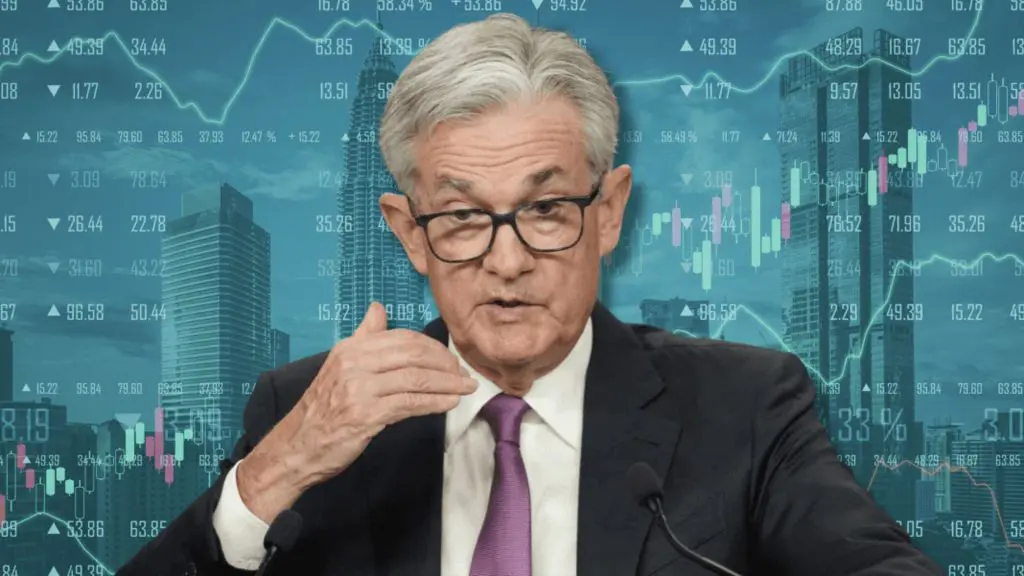
Federal Reserve lowers rates to 3.5–3.75%, limits relief for car buyers

The rate cut may ease auto loan costs in 2026, but monthly payments remain high for new and used-vehicle buyers.
Federal Reserve

On the Dash:

  • The Fed’s 0.25% rate cut is unlikely to meaningfully lower monthly payments for new or used vehicle buyers.
  • Dealership financing remains constrained, though future rate cuts in 2026 could ease affordability pressures.
  • Dealers should monitor loan trends and consider customer demand for longer-term financing despite higher total costs.

The Federal Reserve reduced its benchmark interest rate by a quarter-point to a range of 3.5 to 3.75% on December 10, which could offer limited relief for auto borrowers in 2026. The decision affects dealership floorplan financing and the rates indirect lenders offer for new and used vehicles.

The Fed’s Federal Open Market Committee approved the cut by a 9-to-3 vote, an unusually narrow margin. While some officials preferred a 0.5% cut, others preferred no change, underscoring policymakers’ divisions on how rate cuts could affect inflation and employment.

Sign up for CBT News’ daily newsletter and get the latest industry stories delivered straight to your inbox

Notably, economic data showed activity expanding at a moderate pace, though job gains have slowed and the unemployment rate edged higher through September. Additionally, Fed officials project the federal funds rate could fall further to 3.25–3.5% by the end of 2026, suggesting the possibility of additional cuts next year.

Despite the reduction, monthly payments for auto buyers remain high. Edmunds reports that the average new-vehicle loan in November carried a 6.6% interest rate with a $722 monthly payment for $43,894 financed over 69.7 months. Used-vehicle loans averaged 10.6% interest, $569 monthly payment, and $29,995 financed over 70.1 months. Analysts note that buyers are increasingly opting for longer-term loans to reduce monthly payments, thereby increasing the total cost of ownership.

Meanwhile, auto loan delinquencies are expected to rise slightly next year, as TransUnion predicts 1.54% of accounts will be 60 days or more late in 2026, up from 1.51% at the end of 2025, but at a slower pace than in previous years.

The narrow vote and dissenting Fed officials illustrate the difficulty of balancing inflation control and economic support. Government data gaps from the October shutdown complicated decision-making, while tariff-driven inflation and slowed hiring added to the uncertainty.


Read More
More from Economic Trends
Auto loan balances newly entering serious delinquency held at 2.97% in Q1, as the pace of missed payments slowed.

Auto loan delinquencies hold near 3% as borrower stress eases

- May 14, 2026
On the Dash: Auto loan balances newly entering serious delinquency held at 2.97% in Q1 2026. Borrowers aged 18 to 29 posted the highest serious delinquency rates across all loan...
Americans are carrying $1.68 trillion in auto debt. Rising prices, higher rates, and shrinking inventory are reshaping who buys new cars and how dealers respond.

Auto debt rises 37%, dealers face increasing need for flexible financing

- May 7, 2026
On the Dash: Auto debt hit $1.68 trillion in 2025, with average payments topping $680/month. The average new car prices near $50,000, as only four models start under $25,000. Dealers...
Gas prices spark interest in used EVs, tariff concerns drive domestic shift

Gas prices spark interest in used EVs, tariff concerns drive domestic shift

- May 4, 2026
Today's car market is a complex environment for dealers and customers alike. Rising gas prices, tariffs, and a growing list of options have customers rethinking how they shop for their...
Robb, automotive,

Cox Automotive Jermey Robb outlines 5 key forces shaping auto industry in 2026

- March 24, 2026
As tax refund season begins, auto dealers are closely watching consumer spending trends. At the 2026 NADA Show, Jeremy Robb, Chief Economist at Cox Automotive, identified five major forces shaping...
CBT News
Privacy Overview

This website uses cookies so that we can provide you with the best user experience possible. Cookie information is stored in your browser and performs functions such as recognising you when you return to our website and helping our team to understand which sections of the website you find most interesting and useful.