On the Dash:
- Eye-Net demonstrated a commercially ready V2X collision prevention system at CES 2026.
- The technology delivers real-time alerts for hazards beyond line of sight using cellular networks.
- The system complements vehicle sensors and aims to improve safety for vehicles and vulnerable road users.
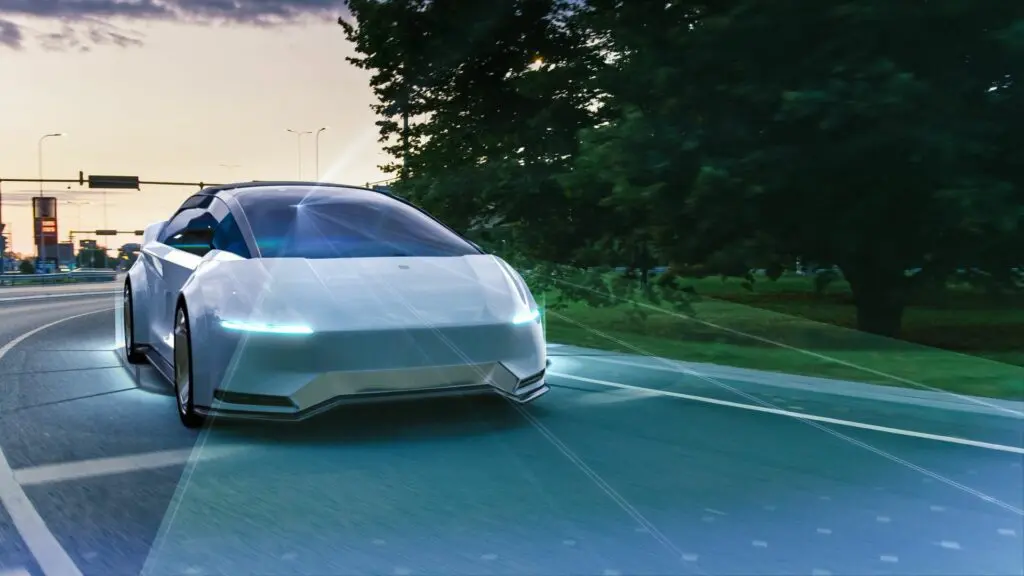
Eye-Net Mobile, a subsidiary of Foresight Autonomous Holdings, showcased its vehicle-to-everything collision prevention technology at CES 2026 in Las Vegas, highlighting a safety solution designed to detect and prevent crashes beyond a vehicle’s line of sight.
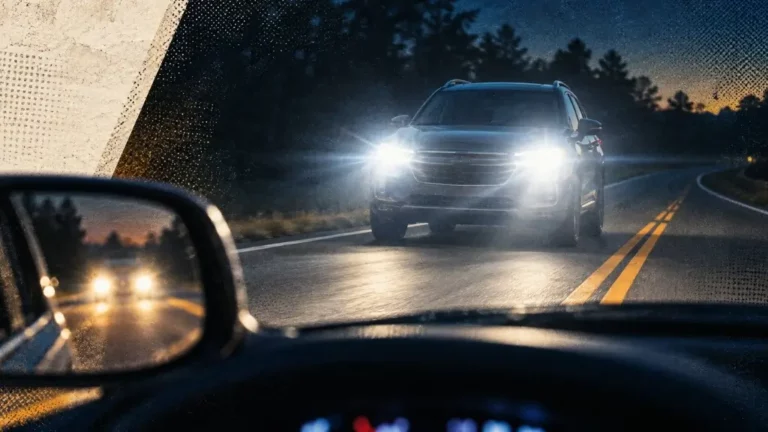
The commercially ready technology uses existing cellular infrastructure to enable real-time communication between vehicles and vulnerable road users, including pedestrians and cyclists. The platform addresses a critical limitation of traditional advanced driver assistance and autonomous driving systems. Camera, radar, and lidar-based systems depend on direct visibility, which can create blind spots at intersections, behind buildings, or around parked vehicles. Eye-Net’s V2X technology is designed to fill those gaps by delivering early alerts for potential cross-collision scenarios that onboard sensors cannot detect.
For automakers and mobility providers, the technology functions as an additional safety layer rather than a replacement for existing hardware. By sharing location and movement data between connected road users, the system aims to reduce accidents in dense urban environments where visibility and reaction time are limited.
The auto industry continues to evaluate scalable safety technologies that can integrate into current vehicle platforms without requiring major infrastructure investments. Because Eye-Net’s system relies on existing cellular networks, it is positioned for broader deployment across passenger vehicles, commercial fleets, and autonomous mobility services.
Foresight Autonomous Holdings, which focuses on 3D perception and vision-based safety solutions, positions Eye-Net as a market-ready product rather than a pilot program. The showcase underscored the growing role of V2X communication as vehicles became more connected and the industry placed greater emphasis on protecting vulnerable road users.