On the Dash:
- AI and strategic partnerships are driving renewed progress in autonomous vehicle development.
- Full Level 5 autonomy remains years away; automakers focus on revenue-generating Level 2 systems.
- Robotaxi trials and AI platforms offer cautious optimism despite safety, cost, and scalability challenges.
The self-driving vehicle industry is showing renewed momentum at CES 2026, as AI-powered platforms and strategic partnerships drive progress despite years of costly delays. Nvidia, Lucid Group, Nuro, Uber, Mercedes-Benz, and other suppliers unveiled technologies aimed at accelerating autonomous vehicle adoption and robotaxi services.
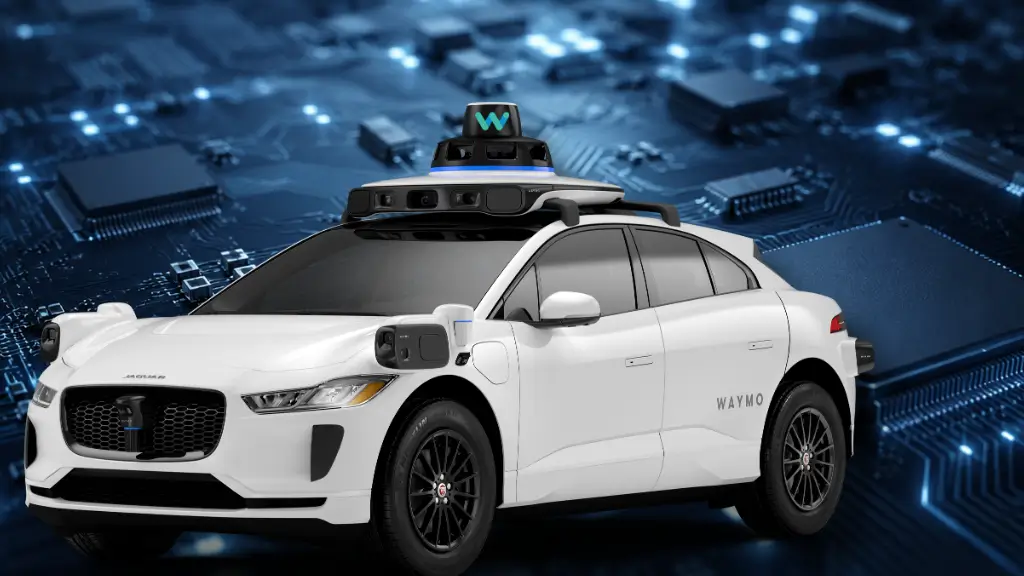
Nvidia introduced its Alpamayo platform to support robotaxi development, forming the backbone for a Lucid, Nuro, and Uber alliance. The collaboration will deploy production-intent robotaxis, leveraging Nvidia’s AI chips for advanced perception, real-time processing, and safety validation. Mercedes-Benz also announced a new advanced driver-assistance system for U.S. deployment later this year, enabling autonomous operation on city streets under driver supervision.
AWS and German supplier Aumovio announced plans to back the commercial rollout of self-driving vehicles, while autonomous trucking firm Kodiak AI partnered with Bosch to scale hardware and sensor production. AI and generative AI are playing a key role in reducing development costs and speeding vehicle validation.
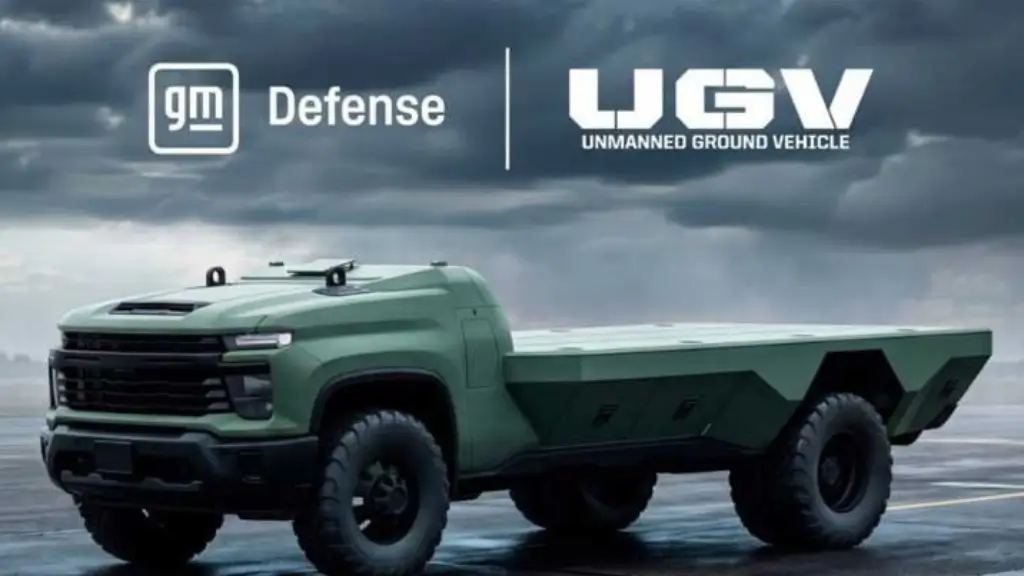
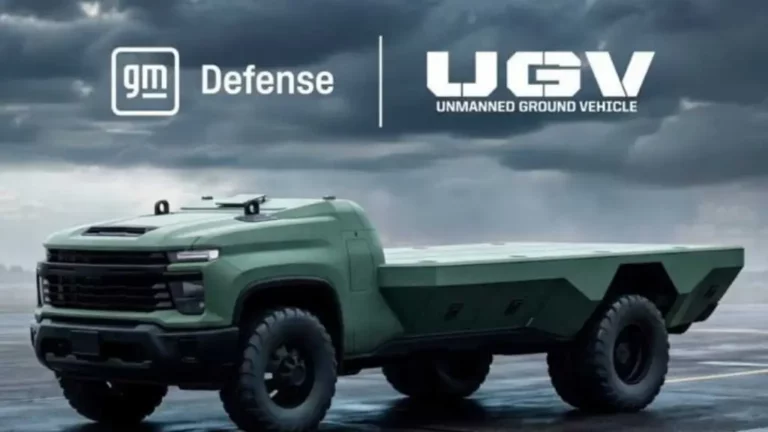
Despite renewed momentum, the industry continues to face hurdles. Safety remains a critical challenge, particularly in handling unpredictable “edge cases” that human drivers navigate instinctively. Fully autonomous vehicles (Level 5) are still years from widespread adoption, prompting legacy automakers such as General Motors and Ford to prioritize revenue-generating Level 2 driver-assistance systems over high-cost, long-term autonomous projects.
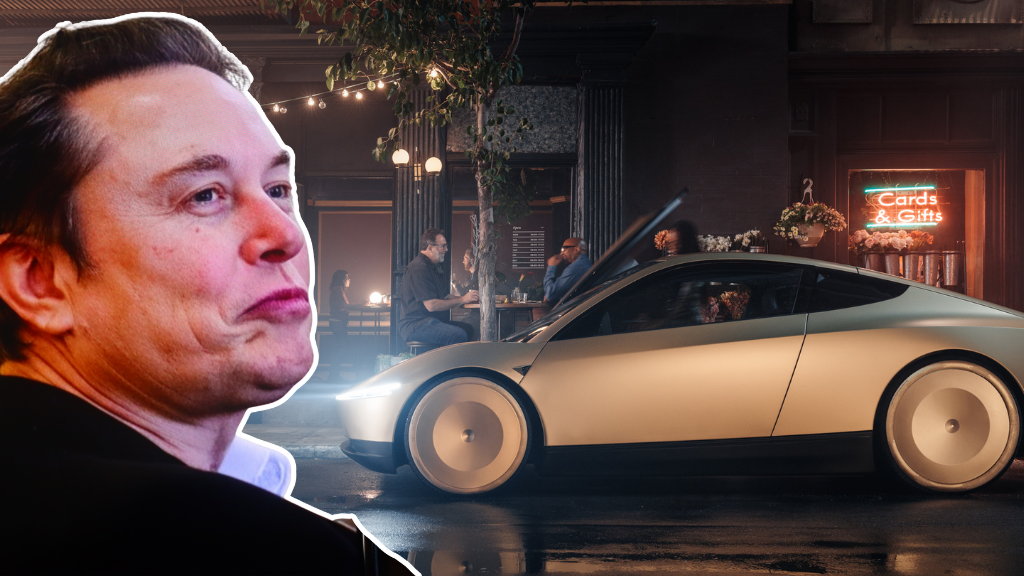
Chinese automakers are also advancing, with two vehicles recently approved for Level 3 hands-free driving, intensifying competitive pressure on Western companies. Nvidia’s open-source approach to the Alpamayo platform provides smaller automakers a collaborative alternative to proprietary systems like Tesla’s.
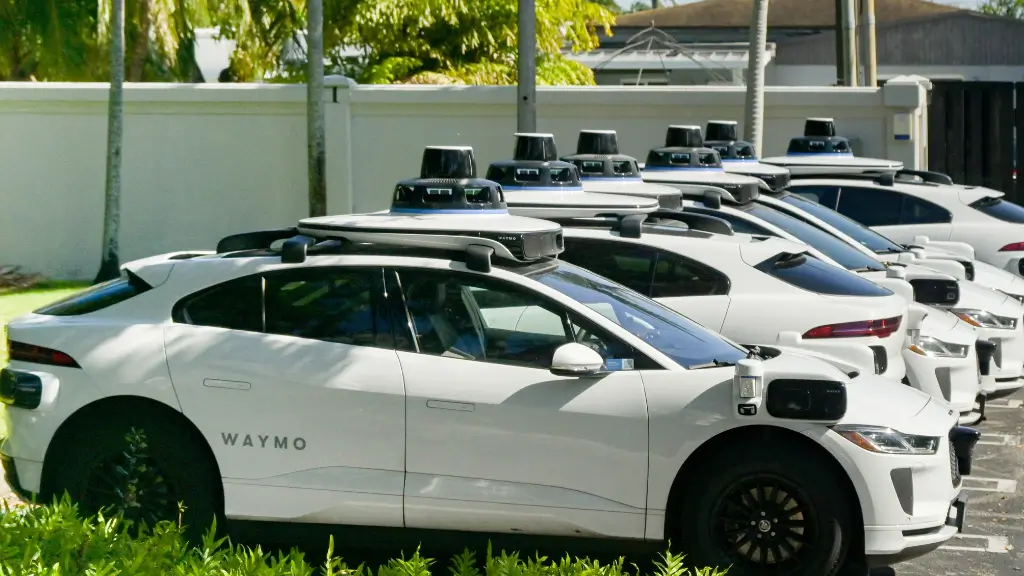
While early robotaxi trials are underway in the U.S., China, Europe, and the Middle East, experts caution that scaling fleets remains costly and logistically complex.
CES 2026 highlights a cautious optimism: partnerships, AI innovation, and strategic alliances may finally deliver on the long-promised vision of self-driving vehicles, but widespread adoption remains a work in progress.