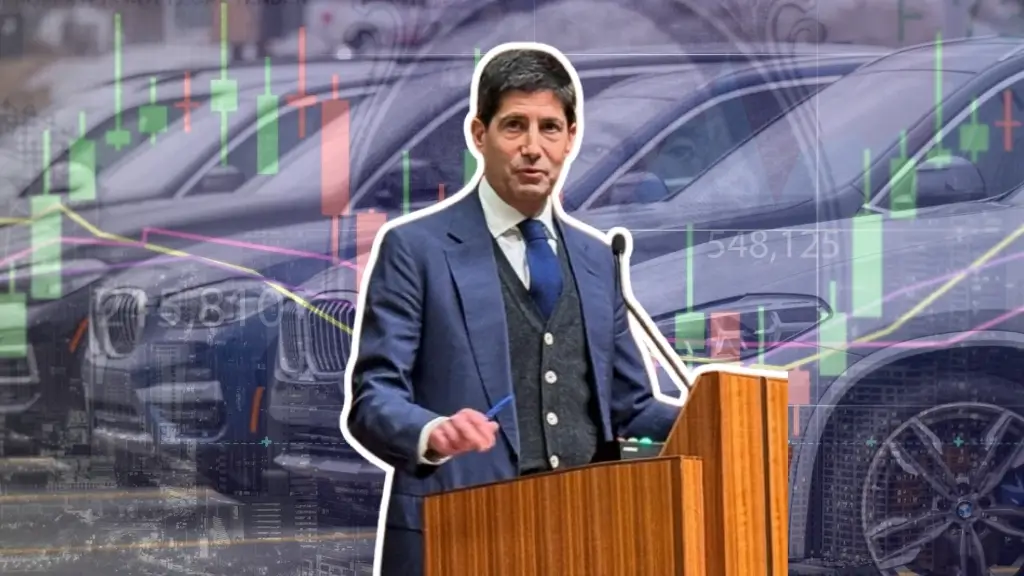
The auto market is navigating a period of uncertainty, from rising vehicle prices to shifting buyer behavior and evolving EV trends. Dealers and consumers alike are trying to make sense of the data to understand where the market is heading. On today’s episode of CBT Now, InView Edge Consulting Managing Director Erik Kibler shares his perspective on where the retail automotive market stands in 2026, the challenges for dealers and what buyers are prioritizing.
Complex and highly nuanced economic indicators are currently shaping the retail automotive industry. In 2025, unemployment trended slowly downward. While there was a slight uptick in the third and fourth quarters due to layoffs, unemployment ended the year at 4.6%. Although this suggests layoffs are slowing, payroll growth remains minimal, creating a “no hire, no fire” environment. More consumers are exercising caution, delaying big-ticket purchases like cars and homes.
Affordability remains a pressing concern, influencing buyer behavior. The average transaction price of new vehicles has reached a historical high, hovering around $50,000. Average monthly payments are just under $800, with 20% exceeding $1,000.
“It’s creating this environment where there’s a little bit of apprehension around making those bigger life purchases.”
However, Kibler points out that these figures are partly shaped by buyer makeup. Affluent buyers, less affected by inflation, are purchasing higher-priced vehicles, pushing up the average transaction price. Strong stock market performance in 2025 has also benefited those with significant portfolios, reinforcing new-vehicle demand at higher price points.
Middle-income buyers, however, are more cautious and often trade down to used vehicles. Demand for used vehicles remains strong. In December, the sales percentage rate for used vehicles increased by 2% from November to roughly 62%, slightly above typical seasonal trends.
Used vehicle valuations are settling into normal seasonal patterns, with slight softness expected in early Q1. Demand is projected to rise in late Q1 and Q2 as tax refunds and the spring selling season begin.
Many OEMs are offering incentive programs to address affordability concerns. Offers such as 0% financing for 60 months are becoming more common as interest rates decline. Kibler projects that new and used vehicle sales volumes in 2026 will remain relatively flat compared to 2025, with minor shifts in buyer mix and preferences.
December’s Consumer Price Index, which tracks inflation, came in at 2.7%, the lowest of the year but still above the Federal Reserve’s 2% target. With Fed Chair Jerome Powell’s term ending in May, Kibler expects interest rates to begin declining in spring or early summer.
Kibler also emphasizes that electric vehicles are here to stay. Manufacturers are better able to align production with consumer preferences, and demand persists across specific market segments despite the expiration of federal tax incentives. Improved charging infrastructure is reducing range anxiety, while the used EV market provides affordable entry points that continue to attract buyers.