TSLA354.080-22.285%
GM87.7600.54%
F14.6200.21%
RIVN15.740-0.17%
CYD37.430-0.24%
HMC32.670-0.37%
TM197.110-2.76%
CVNA74.5901.16%
PAG219.7700.15%
LAD386.8107.83%
AN212.3605.18%
GPI300.76016.43%
ABG217.2601.85%
SAH81.0001.58%
TSLA354.080-22.285%
GM87.7600.54%
F14.6200.21%
RIVN15.740-0.17%
CYD37.430-0.24%
HMC32.670-0.37%
TM197.110-2.76%
CVNA74.5901.16%
PAG219.7700.15%
LAD386.8107.83%
AN212.3605.18%
GPI300.76016.43%
ABG217.2601.85%
SAH81.0001.58%
TSLA354.080-22.285%
GM87.7600.54%
F14.6200.21%
RIVN15.740-0.17%
CYD37.430-0.24%
HMC32.670-0.37%
TM197.110-2.76%
CVNA74.5901.16%
PAG219.7700.15%
LAD386.8107.83%
AN212.3605.18%
GPI300.76016.43%
ABG217.2601.85%
SAH81.0001.58%

Biden’s new EV regulations to limit China’s role in U.S. market

Congress included a provision that restricts EVs from receiving the full tax credit if a foreign entity of concern produces essential minerals or other battery components.
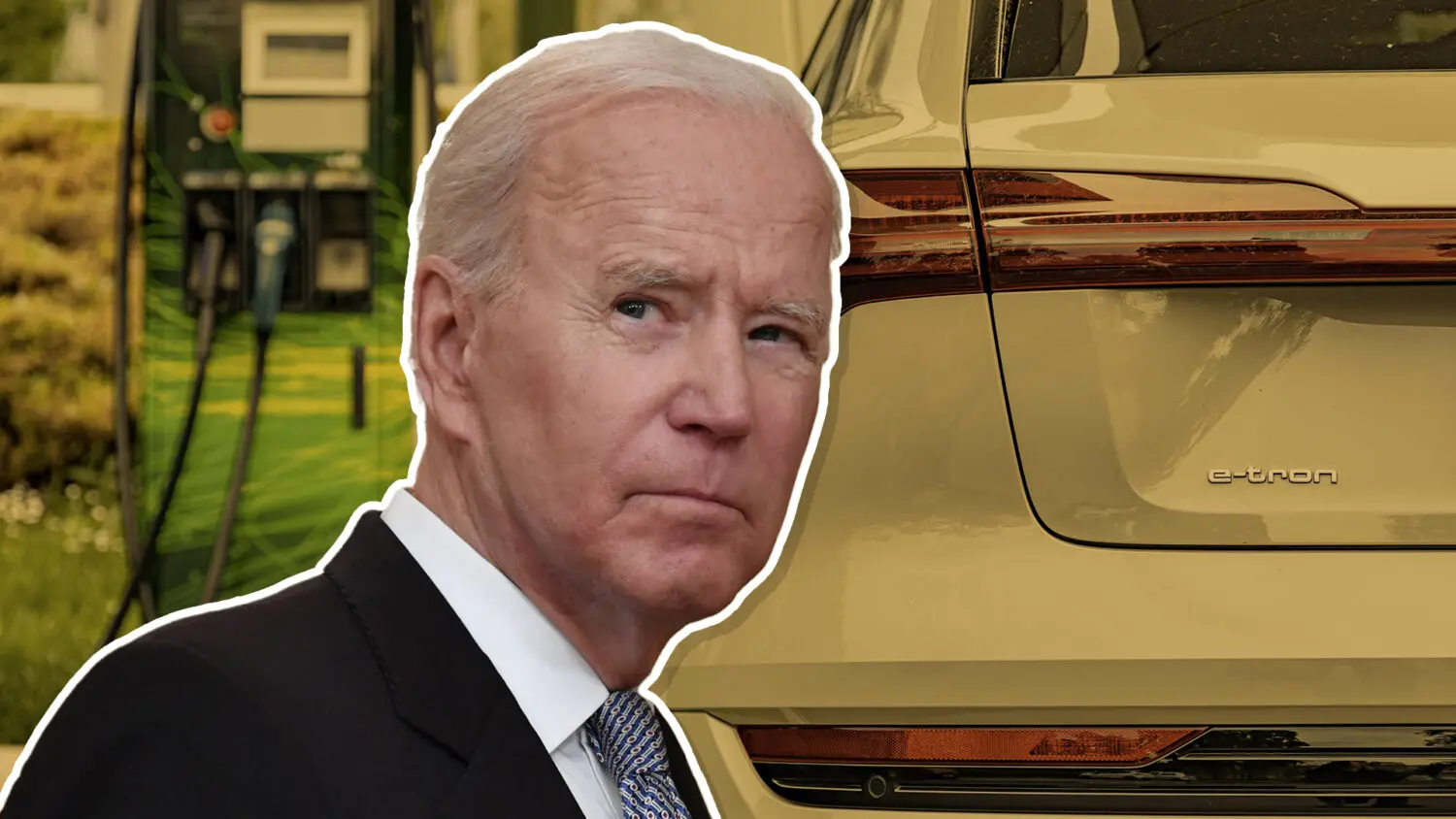
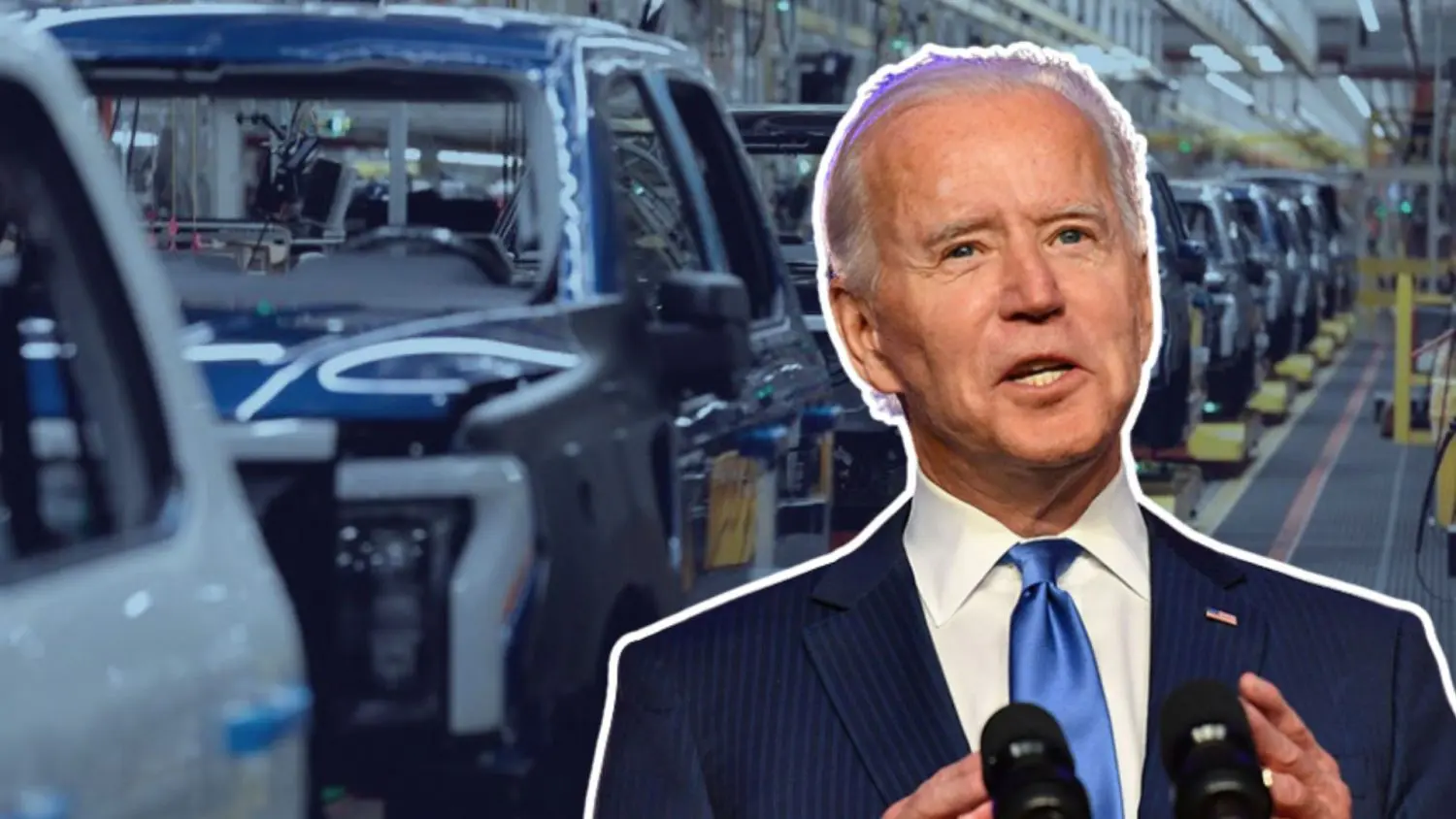
Biden released EV tax credit regulations restricting Chinese imports that could halt the U.S. from shifting away from fossil fuel

The Biden administration released electric vehicle tax credit regulations restricting Chinese imports. However, by reducing the number of vehicles that meet the $7,500 federal tax credit requirements, the regulations may impede the United States’ shift away from fossil fuels.

The much-awaited guidelines regarding tax credit eligibility symbolize the complex path the Biden administration has taken to further its aggressive climate agenda and challenge Chinese hegemony over batteries and vital minerals required to accelerate the shift to EVs. However, the proposal is set to become final in January 2024, following a 30-day public feedback period.

In the Inflation Reduction Act, Congress has included a provision that restricts EVs from receiving the full tax credit if a foreign entity of concern produces essential minerals or other battery components. The law defines “foreign entity of concern” as any business owned, controlled, or subject to the laws of North Korea, Russia, China, or Iran. The provision applies to any business from the mentioned countries, although its primary target is China.

Furthermore, the regulations prohibit a car from getting the credit if even one of its suppliers has loose ties to Beijing, such as manufacturing parts in China or controlling as little as 25% of board seats. The new rules prohibit American providers from receiving credit if they rely solely on technology licensed from China.

The move occurred months after a previous Treasury regulation on local manufacturing prevented many cars made by South Korean, Japanese, and European automakers from being eligible for the tax credit. Less than one-fifth of the more than 100 vehicles available on the market—roughly 22 electric and plug-in hybrid cars—qualify for the credit.

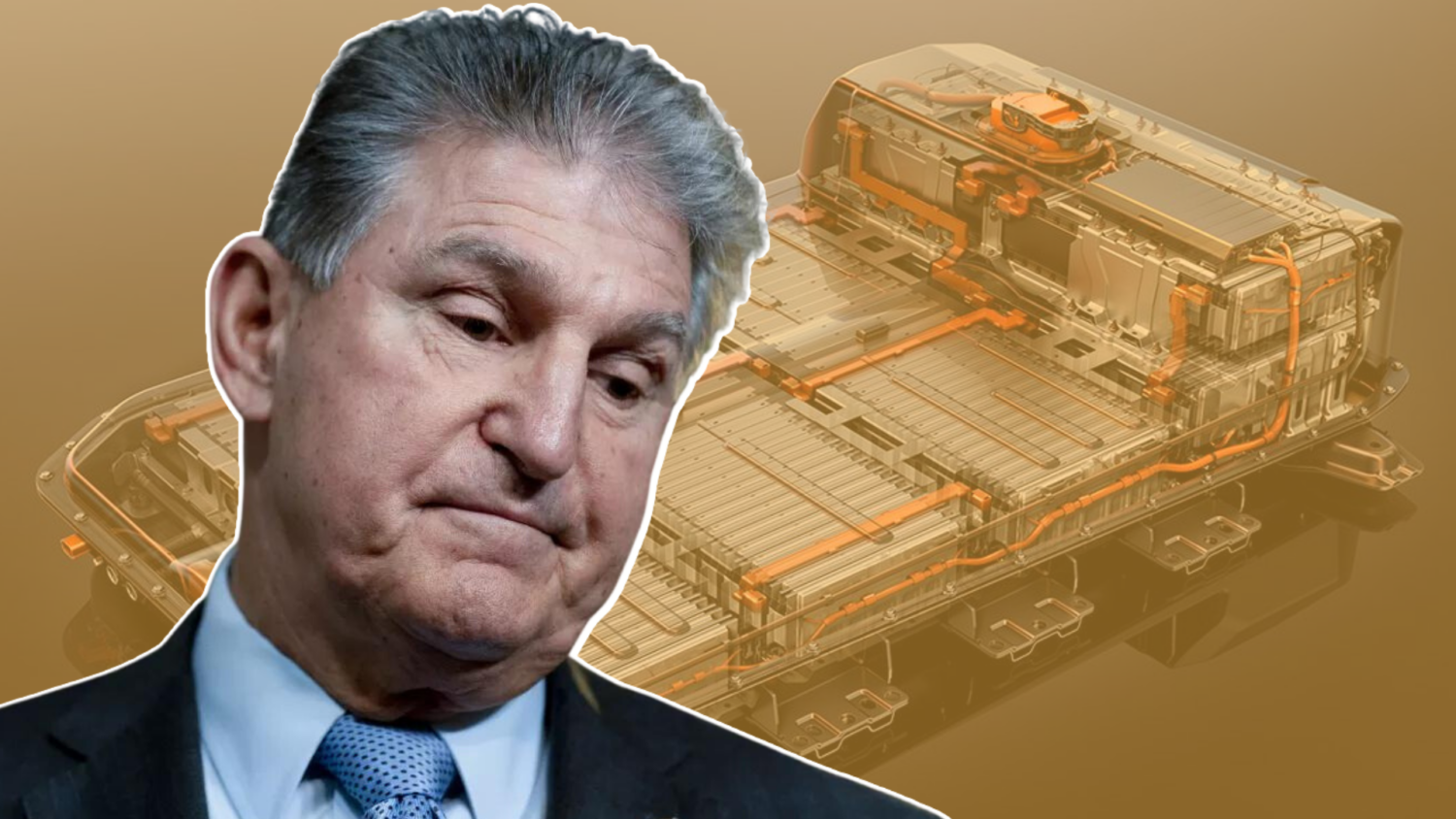
In a letter to Treasury Secretary Janet Yellen dated Nov. 13, Democratic Senator Joe Manchin stated that China “has routinely shown a blatant disregard for fair competition, unfairly leveraged state-sponsored investments, and wielded their market domination in key industries as a cudgel.” As per Manchin’s letter, China is responsible for producing almost 76% of lithium-ion battery cells, 92% of anodes, and nearly three-quarters of cathodes worldwide.

However, the dispute over Ford’s proposal to construct a plant in Michigan that would employ 1,700 people to produce batteries for both new and old EVs illustrates the intricacy of the regulations. According to Ford, the factory and its workforce would be owned by a wholly owned subsidiary. However, technology, some equipment, and labor would be supplied by CATL, a Chinese company recognized for its proficiency in lithium-iron-phosphate.
Further Reading
More from Articles
Courtesy Automotive Group adds two Tucson dealerships

Courtesy Automotive Group adds two Tucson dealerships

- September 4, 2026
Pinnacle Mergers & Acquisitions has facilitated the sale of Watson Chevrolet and Infiniti of Tucson in Arizona to Scott Gruwell, President and CEO of Courtesy Automotive Group. The transaction expands...
Bill would force federal audit of automakers' ties to China

Bill would force federal audit of automakers’ ties to China

- September 4, 2026
On the Dash: Bill would order a Commerce study of automakers' ties to foreign adversaries Review covers ownership, joint ventures, technology transfers and intellectual property impact Commerce must report...
U.S.-Canada trade tensions deepen as tariff dispute threatens auto sector

U.S.-Canada trade tensions deepen as tariff dispute threatens auto sector

- September 4, 2026
On the Dash: New U.S. tariffs, now at 50% on about $20 billion worth of Canadian goods, could raise costs for vehicles, parts and other products moving across the border. ...
Volkswagen approves plan to cut 100,000 jobs and slash model lineup

Volkswagen approves plan to cut 100,000 jobs and slash model lineup

- September 4, 2026
On the Dash: Volkswagen doubles its previously announced job cuts to about 100,000 positions worldwide and plans to cut model-lineup complexity by roughly 75% by 2035. Four German plants, Emden,...
CBT News
Privacy Overview

This website uses cookies so that we can provide you with the best user experience possible. Cookie information is stored in your browser and performs functions such as recognising you when you return to our website and helping our team to understand which sections of the website you find most interesting and useful.