The Alliance for Automotive Innovation, representing major automakers, has petitioned the National Highway Traffic Safety Administration (NHTSA) to reconsider parts of a recently finalized rule mandating automatic emergency braking systems in all new vehicles by 2029. While the alliance supports the inclusion of automatic braking technology, it argues that the rules’ specific requirements are nearly impossible to meet and excessively costly.
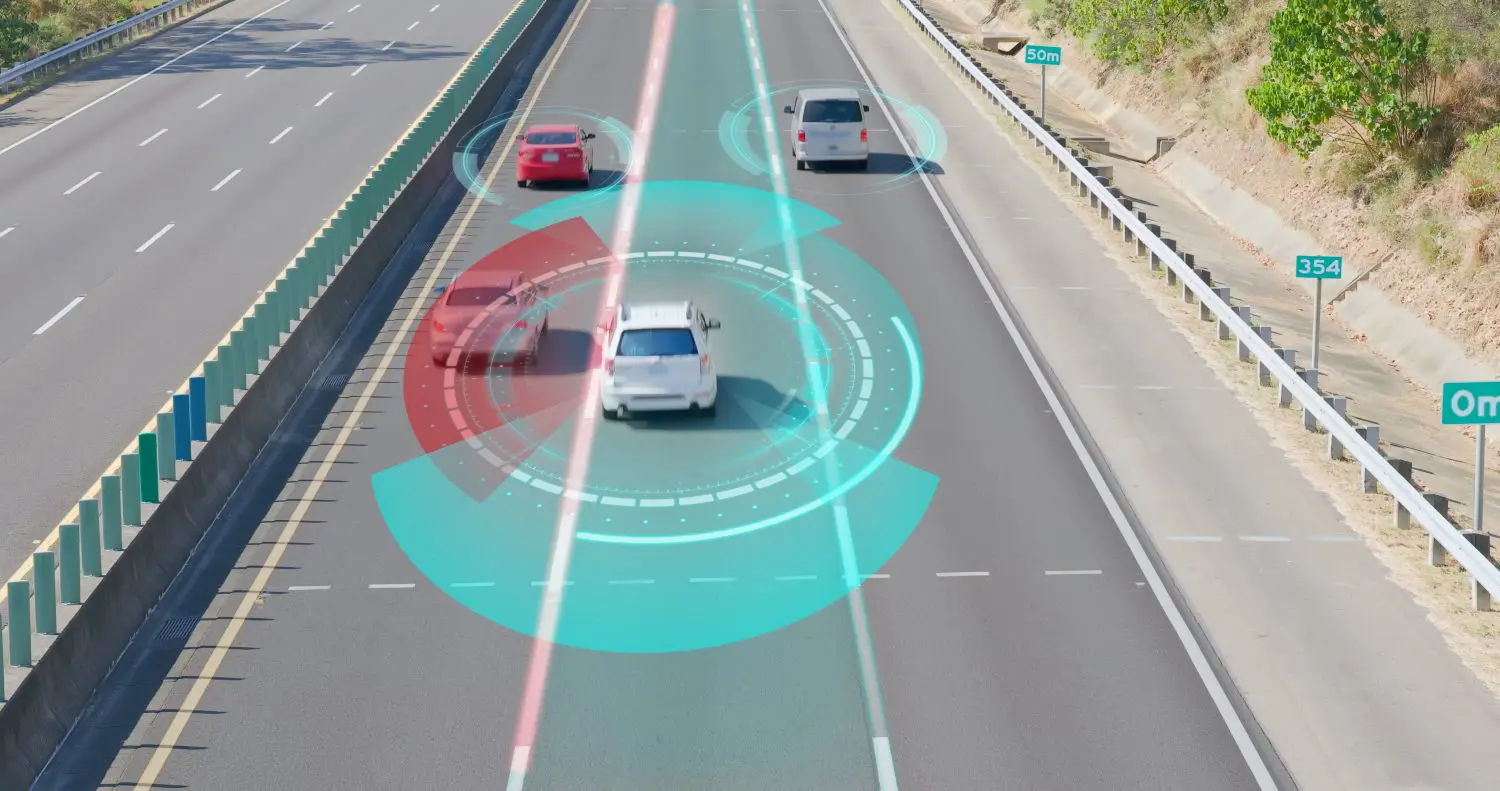
Automatic braking systems, utilizing sensors, cameras, and software, are designed to detect potential collisions with other vehicles or pedestrians and automatically apply the brakes if the driver fails to act. Although carmakers agreed in 2016 to increase the adoption of this technology by 2025, NHTSA has since sought to raise standards, citing inconsistencies and performance issues among different systems. According to regulatory data, by 2022, approximately 90% of new light vehicles will be equipped with such technology.
The final rule, completed in late April, sets stringent requirements: vehicles must be able to stop and avoid collisions at speeds up to 62 mph and detect pedestrians in darkness. Additionally, the systems must automatically apply brakes up to 90 mph to prevent vehicle collisions and 45 mph to avoid pedestrian impacts. NHTSA estimates these measures could reduce rear-end collisions and pedestrian fatalities, potentially saving 360 lives annually and preventing 24,000 injuries.
John Bozzella, President of the Alliance, expressed concerns that the rule’s standards exceed current technological capabilities. In a letter to Congress, he argued that the requirements would force vehicles to brake earlier than expected, potentially increasing rear-end collisions. Bozzella also highlighted the significant cost implications of complying with the rule, asserting that the technology’s expenses outweigh its safety benefits. He emphasized that the rule would compel automakers to develop more expensive systems without necessarily enhancing safety.
Past incidents have also raised consumer concerns about automatic braking systems, with some cases of the technology activating unexpectedly, sometimes leading to crashes. As regulators push for more widespread use of this technology, they are also intensifying scrutiny over advanced driver-assistance systems, including Tesla’s automatic-driving features, which are under investigation following several fatal incidents.
This latest clash underscores the ongoing tension between automakers and safety regulators, who continue to strive for advancements in vehicle safety while balancing technological feasibility and consumer costs.