On the Dash:
- Credit washing lets borrowers temporarily boost scores by disputing accurate negative accounts to secure auto loans.
- Auto loan fraud losses are highest among prime and super-prime borrowers, often exceeding $22,000 per consumer.
- Lenders must use fraud-specific verification tools to detect synthetic identities and credit washing before loans are approved.
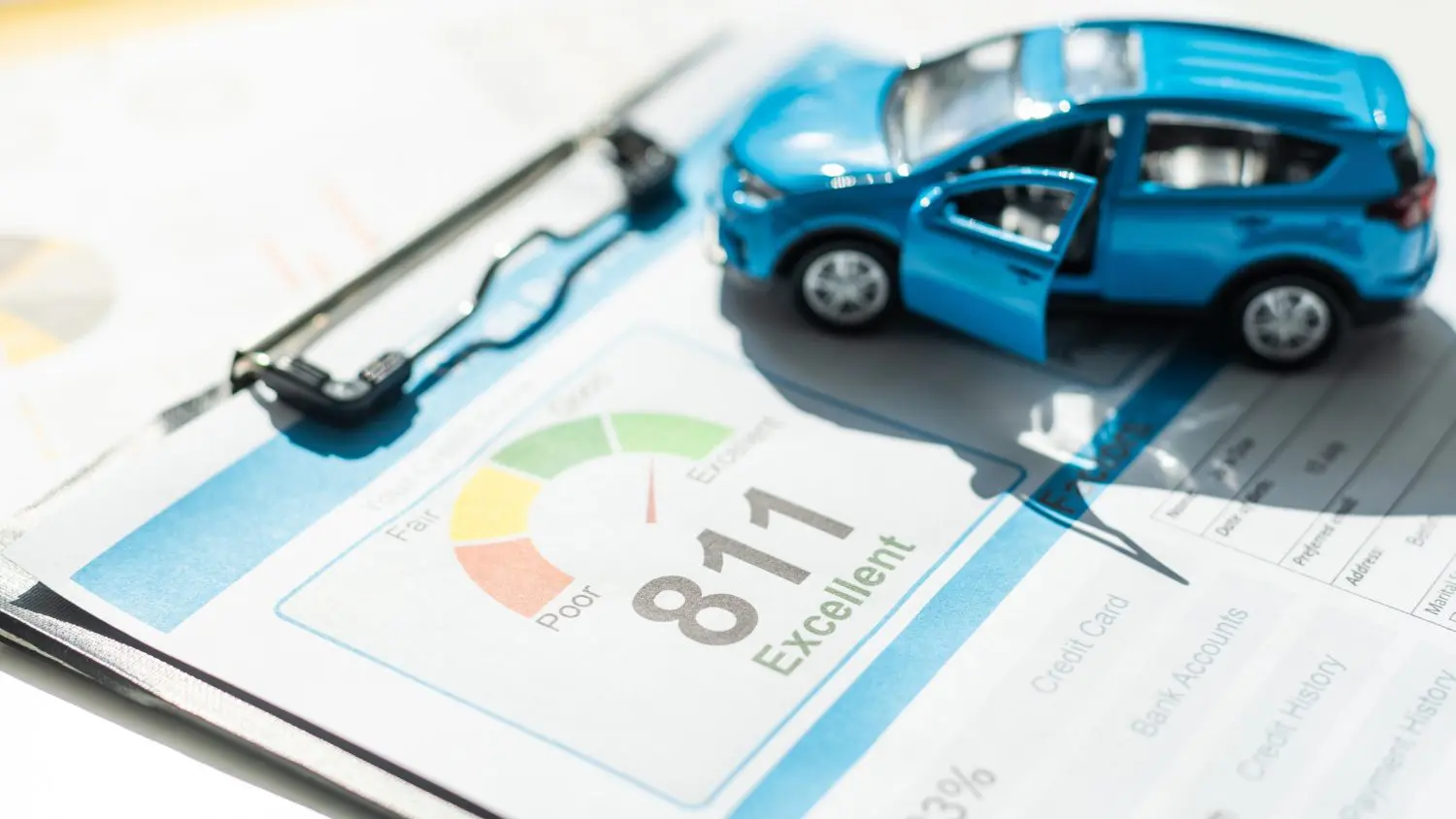
Fraudsters are increasingly using a tactic known as credit washing to exploit auto lenders, according to a new study from credit reporting bureau TransUnion. The scheme allows borrowers to temporarily boost their credit scores by disputing accurate negative information on their reports, such as delinquencies or defaults, giving the appearance of low-risk credit. This can enable the borrower to secure an auto loan they have no intention of repaying.
Credit washing typically works by triggering a process called data suppression, in which credit bureaus temporarily remove disputed information while investigating claims. Fraudsters often target accounts where suppressing a single negative record provides the largest boost to their credit score. Once their score is artificially elevated, they may obtain a vehicle loan and then disappear, leaving lenders with significant losses.
Auto lending is already highly exposed to fraud losses. TransUnion’s analysis shows charge-off losses from auto loans affected by synthetic fraud or misrepresentation are significantly higher than other consumer credit types. On average, losses for auto loans were 21 times greater than credit cards and six times higher than unsecured personal loans. Surprisingly, these losses are disproportionately concentrated among prime and super-prime borrowers, who would normally be considered low-risk. Super-prime credit washers exhibit charge-off rates similar to near-prime borrowers, with average losses exceeding $22,000 per consumer.
The combination of synthetic identity schemes and credit washing obscures true borrower risk, challenging traditional scoring models. Lenders are urged to integrate fraud-specific verification tools to detect anomalies early and mitigate exposure.