TSLA445.27011.82%
GM75.810-0.63%
F13.5851.595%
RIVN14.2700.32%
CYD51.0202.5%
HMC24.3700.26%
TM186.8905.22%
CVNA69.900-3.82%
PAG166.580-2.45%
LAD273.220-2.08%
AN191.110-4.25%
GPI327.780-8.36%
ABG192.850-0.83%
SAH76.120-2.46%
TSLA445.27011.82%
GM75.810-0.63%
F13.5851.595%
RIVN14.2700.32%
CYD51.0202.5%
HMC24.3700.26%
TM186.8905.22%
CVNA69.900-3.82%
PAG166.580-2.45%
LAD273.220-2.08%
AN191.110-4.25%
GPI327.780-8.36%
ABG192.850-0.83%
SAH76.120-2.46%
TSLA445.27011.82%
GM75.810-0.63%
F13.5851.595%
RIVN14.2700.32%
CYD51.0202.5%
HMC24.3700.26%
TM186.8905.22%
CVNA69.900-3.82%
PAG166.580-2.45%
LAD273.220-2.08%
AN191.110-4.25%
GPI327.780-8.36%
ABG192.850-0.83%
SAH76.120-2.46%

Are modern cars a privacy nightmare? What you need to know

Every single brand researched collected more personal data than necessary.
Automakers have boasted their vehicles as "computers on wheels" but the debate about what that means for its owners' privacy has yet to grab.

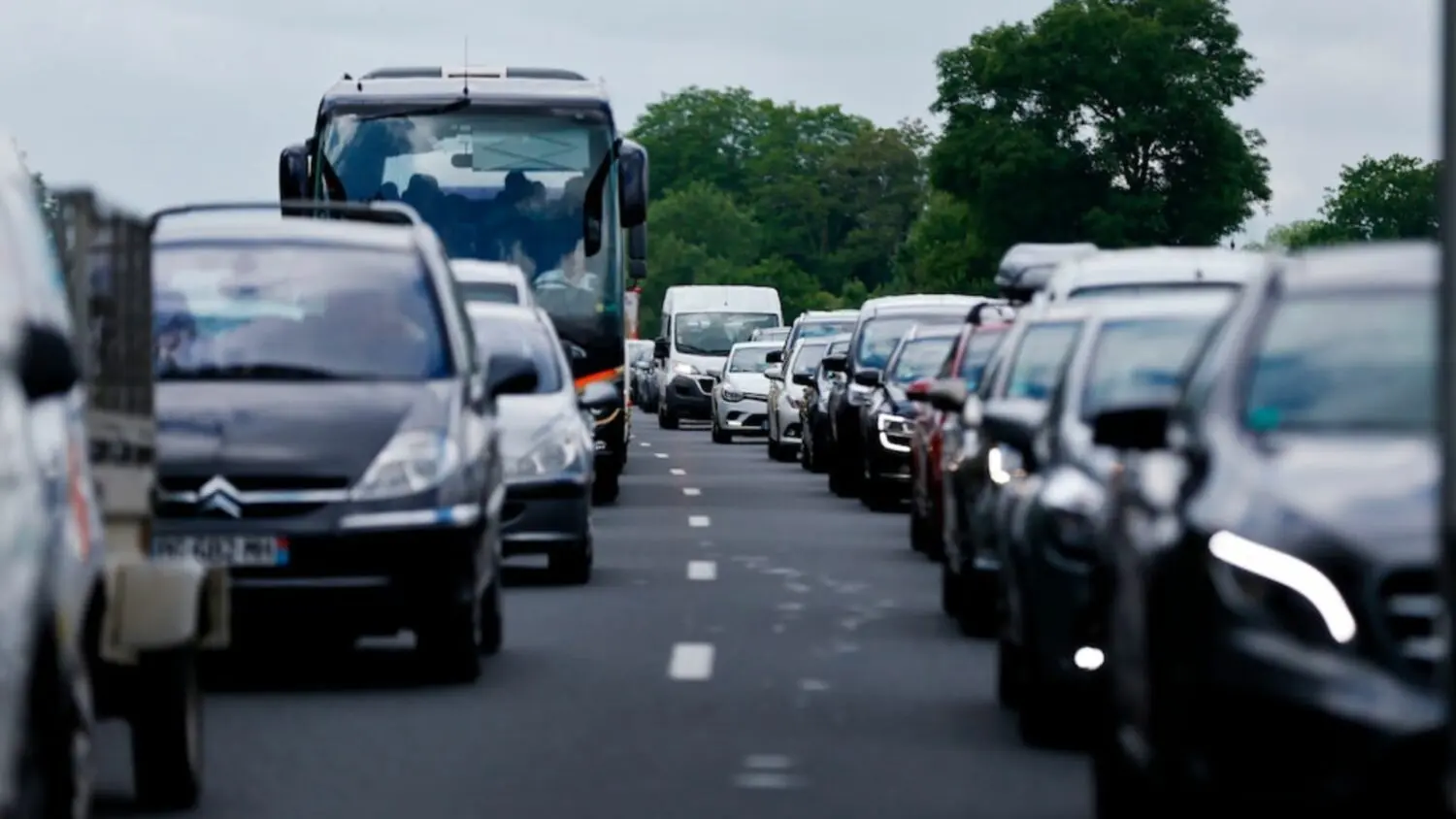
Image Source: Charly Triballeau | Getty Images

Automakers have boasted that their vehicles are “computers on wheels” to highlight their cutting-edge technology for years. However, the debate about what computer use means for its occupants’ privacy has yet to grab on. Car manufacturers stealthily entered the data industry by converting their vehicles into potent data-gobbling machines. 

Mozilla researched 25 brands for their data collection and usage practices. Shockingly, every single brand collected more personal data than necessary. However, these vehicles used personal data for purposes other than operating the vehicle or managing customer relationships.

Moreover, automakers have more opportunities to collect data than other products and apps, including smart devices and cell phones. They can gather data from how you interact with the car, connected services, and third-party sources like Sirius XM or Google Maps. The ways they collect and share data are complex and vast, including super intimate information such as medical and genetic data, driving habits, “sexual activity,” and music preferences. They also use this data to infer your intelligence, abilities, and interests. 

However, 84% of the automakers surveyed claim they can share your personal information with service providers, data brokers, and other companies we don’t know much about. Even worse, 76% claim they can sell your personal information.

It’s concerning to see how many car companies are collecting creepy categories of data. In fact, one review gave Tesla a “privacy ding” for their AI-powered autopilot being involved in multiple accidents and deaths. Nissan got called out for collecting data on users’ sexual activity. Furthermore, Kia also mentions they can collect information about your “sex life” in their privacy policy. Therefore, it’s essential to read these “privacy” policies carefully and be aware of what data is being collected.

Further Reading
More from Articles
The simple 'paperwork' mistake that could cost dealers $10,000

The simple ‘paperwork’ mistake that could cost dealers $10,000

- May 13, 2026
On the Dash: CDK Global says a paperwork problem cost a dealer $10,000 during a manufacturer audit. NADA calls federal record-keeping requirements among the most burdensome rules dealers face today. ...
GM-LG battery venture recalls small group of Ohio workers as EV demand slows

GM-LG battery venture recalls small group of Ohio workers as EV demand slows

- May 13, 2026
On the Dash: EV production volatility is directly affecting supply chain employment and factory output decisions. Incentive-driven demand shifts are forcing automakers to adjust production more quickly than long-term EV...
Nissan projects return to profit after seventh straight quarterly loss

Nissan projects return to profit after seventh straight quarterly loss

- May 13, 2026
On the Dash: Nissan’s projected return to profit could improve dealer confidence after multiple quarters of financial instability. Ongoing model cuts and production restructuring may impact future inventory mix and...
New-vehicle prices rose in April, but the gains fell short of the historical average, with wide variation across brands and segments, according to Kelley Blue Book.

New-vehicle prices rise in April, but the pace is cooling

- May 13, 2026
On the Dash: New-vehicle ATP rose 1.8% year over year in April, below the 3.6% long-term average. Ford and GM posted strong gains while several luxury brands saw transaction prices...
CBT News
Privacy Overview

This website uses cookies so that we can provide you with the best user experience possible. Cookie information is stored in your browser and performs functions such as recognising you when you return to our website and helping our team to understand which sections of the website you find most interesting and useful.