On the Dash:
- Dealers will need to stay ahead of software and connected-vehicle training as SDV technology becomes more common in future Honda and Nissan models.
- Shared vehicle technology could make future products easier to update and maintain, while changing how dealers explain features to customers.
- Mitsubishi’s potential involvement could expand the technology partnership and give dealers another indication of how alliance partners are consolidating development costs.
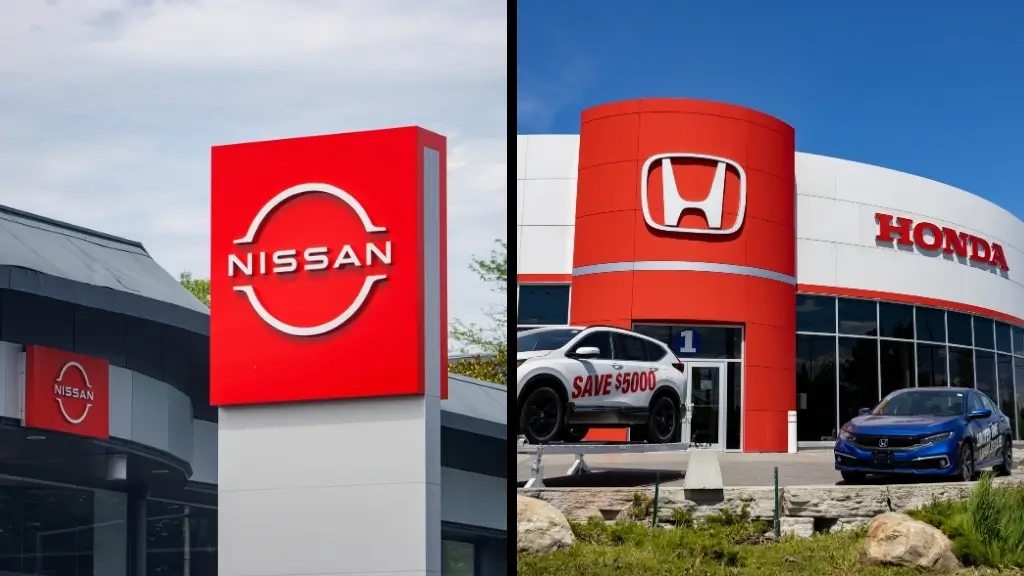
Honda and Nissan announced today that they will collaborate to develop standardized electronic control units (ECUs) for software-defined vehicles. The companies plan to integrate these jointly developed ECUs and software into next-generation vehicles starting in fiscal year 2029.
This partnership builds on their collaboration that began with software platform research in 2024. As vehicles incorporate more connected and autonomous features, software has become a crucial area of competition among automakers and companies are making significant investments in operating systems that support driver assistance, entertainment, and over-the-air updates, leading to increased vehicle development costs.
Honda and Nissan aim to establish common specifications for core ECUs within their electrical and electronic architectures. Their collaboration will also extend to operating systems, middleware, and vehicle-control software. Standardizing technology could enable the automakers to share development resources across future vehicle programs.
Chinese automakers increase pressure
Both Honda and Nissan are facing growing competition from Chinese automakers such as BYD, which have gained traction in Europe and Southeast Asia with EVs and hybrids that feature advanced software. The industry’s shift toward a standardized software architecture reflects a broader effort to enhance vehicle technology while managing costs.
Moreover, Mitsubishi Motors, Nissan’s alliance partner, is also considering joining the collaboration and is currently in discussions with the two companies about potential areas of partnership. Notably, an expanded collaboration could increase the scale of the shared technology architecture.
Though Honda and Nissan previously discussed a merger that could have created the world’s third-largest automaker, they ultimately abandoned those talks. However, the latest agreement demonstrates that both automakers continue to seek targeted cooperation despite the end of merger discussions.