
On the Dash:
- Hybrid demand continues to outpace the broader market, giving dealers additional opportunities to capitalize on growing consumer interest in fuel-efficient vehicles.
- Affordability remains a challenge as average monthly payments reached a record $808 for July despite slightly lower financing rates and higher incentives.
- Analysts expect the Federal Reserve to keep interest rates elevated through the remainder of 2026, limiting meaningful relief for vehicle financing.
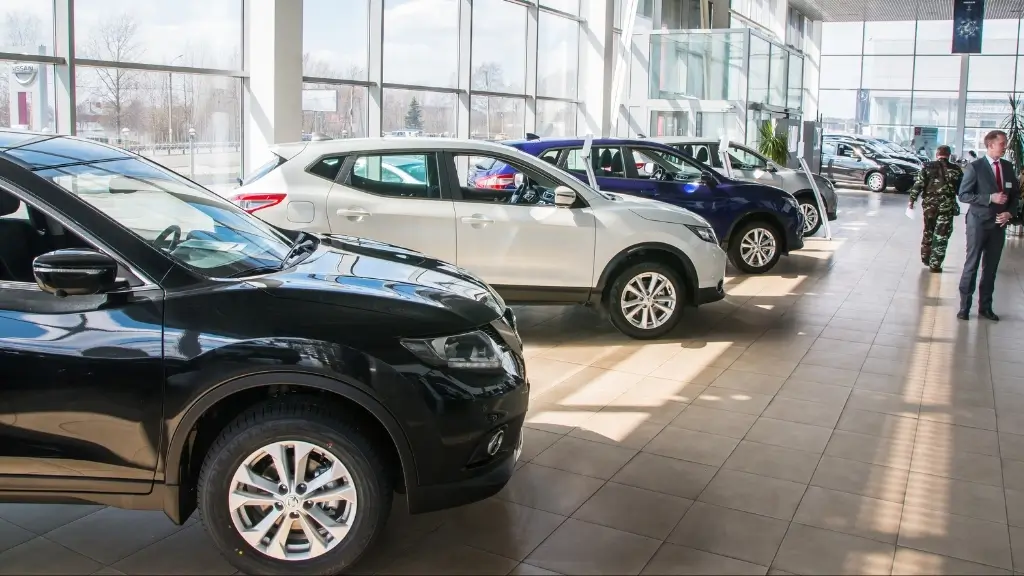
According to the latest NADA Market Beat report, U.S. light-vehicle sales reached a seasonally adjusted annual rate (SAAR) of 16.3 million units in July, down 1.4% from a year earlier. Year-to-date SAAR through July stands at 16.0 million units, a 2.2% decline compared with the same period in 2025, and NADA notes that July sales finished slightly below expectations even as they stayed consistent with forecasts for a 16 million-unit market in 2026.
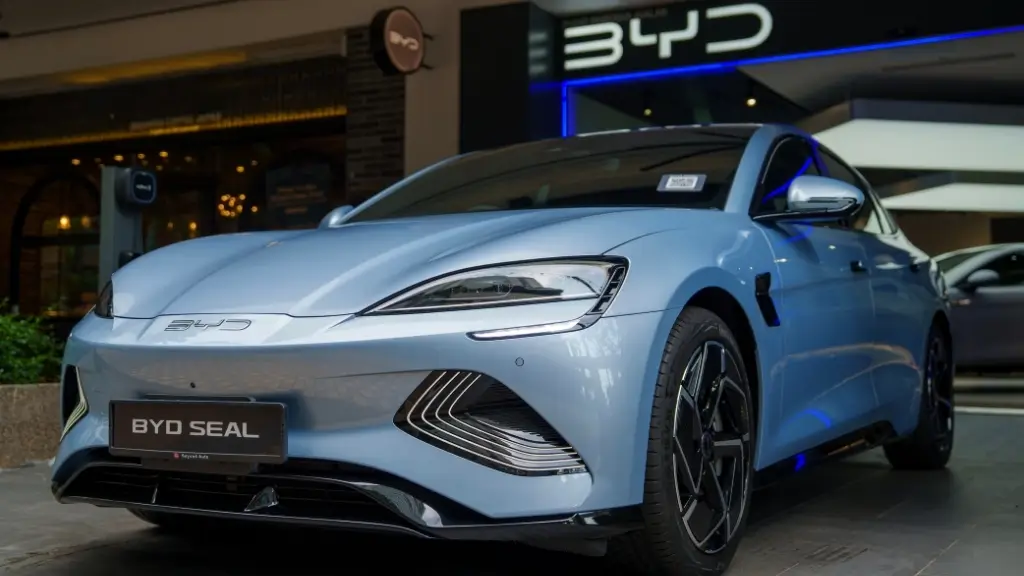
Even as overall sales softened, hybrids kept climbing, with sales increasing 19.6% year over year in July and up 20.5% through the first seven months of the year. Hybrids now account for 15.4% of all new-vehicle sales, up 2.9 percentage points from a year ago. Battery-electric vehicles (BEVs) moved in the opposite direction, continuing to decline following the expiration of federal EV tax credits in September 2025, with BEV market share falling to 5.9% year to date.
Affordability pressures persist
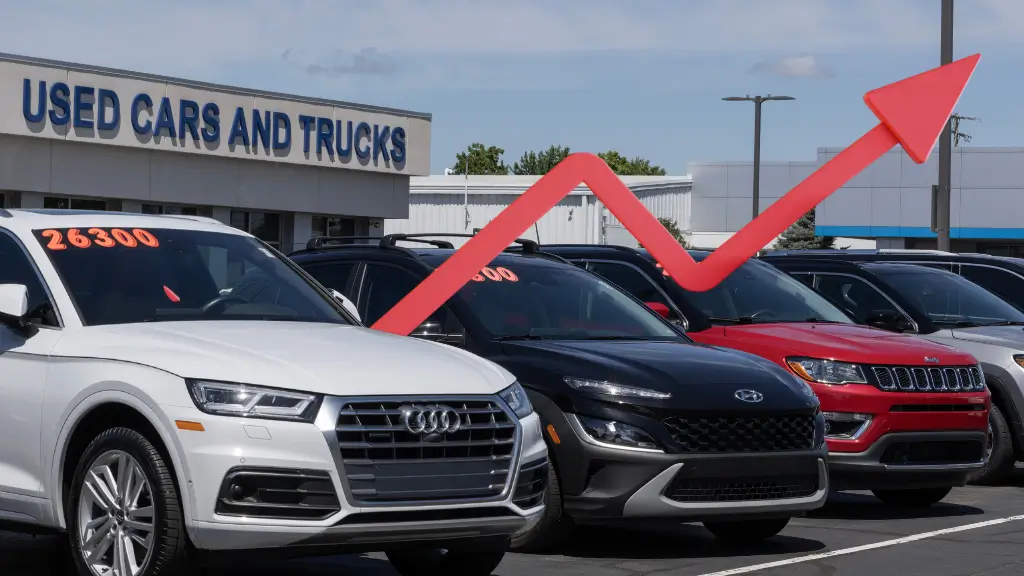
That EV pullback comes as affordability keeps squeezing buyers across the board. NADA reports that the average monthly payment for a new-vehicle loan reached a record $808 in July, up 3.3% year over year. Automakers leaned harder on discounts to offset that pressure, with average incentive spending increasing 8.1% to $3,451 per vehicle. Financing offered only modest relief, as average new-vehicle financing rates eased slightly to 6.54%, down seven basis points from a year ago.
With little additional relief appearing on the horizon, analysts don’t expect the Federal Reserve to lower interest rates during the remainder of 2026, and NADA cautions that inflationary pressures could even prompt additional rate increases, keeping financing costs elevated. Even so, the full-year U.S. light-vehicle sales forecast remains unchanged at 16.0 million units despite the ongoing affordability challenges.