ICYMI: Trump visits GM’s Milford Proving Ground in Michigan to tout American manufacturing. Ford’s second-quarter results beat expectations. Stellantis more than tripled its adjusted operating income, but still missed analyst estimates. GM announced over $432 million in new investments for Missouri and Tennessee plants. July’s new-vehicle sales pace hits strongest level of 2026 according to Cox Automotive.
Here’s a closer look at these top stories and more headlines to stay on top of this week’s automotive industry news.
Trump touts U.S. auto manufacturing during visit to Michigan
 President Donald Trump visited General Motors’ Milford Proving Ground in Michigan to promote his administration’s trade and manufacturing policies ahead of Michigan’s August 4 primary election and the broader midterm campaign. The administration claims that Trump’s “America First” agenda has encouraged automakers to expand manufacturing and hiring within the U.S. Read More
Ford raises 2026 profit outlook despite tariffs, EV charges and production disruptions
 Ford raised its full-year adjusted EBIT guidance to between $10 billion and $11 billion, up from a previous range of $8.5 billion to $10.5 billion, following second-quarter operating results that exceeded expectations. The automaker also reported adjusted EBIT increased to $2.5 billion, compared to $2.1 billion a year ago. Read More
Stellantis profit misses estimates as Chinese competition weighs on Europe
 Stellantis reported adjusted operating income of €773 million ($884.6 million) for the second quarter, more than tripling from €213 million a year earlier, though the figure still fell short of analyst expectations. Pricing pressures in Europe, higher administrative and research costs, unfavorable currency effects and tariffs weighed on the company’s margins. Read More
GM invests $432 million in U.S. plants to expand manufacturing, modernize production
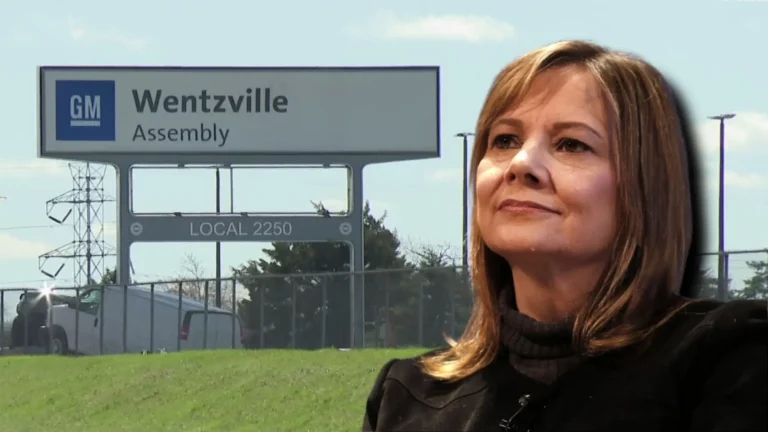 General Motors (GM) has announced over $432 million in new investments for its manufacturing facilities in Wentzville, Missouri, and Spring Hill, Tennessee, as part of the company’s broader strategy of committing multibillion-dollar investments to strengthen U.S. production. This year, the Detroit automaker plans to spend approximately $9 billion on U.S. manufacturing and over $7 billion on U.S. research and development, emphasizing its focus on strengthening domestic manufacturing and enhancing long-term competitiveness. Read More
July new-vehicle sales pace reaches strongest level of 2026, says Cox Automotive
 According to Cox Automotive’s latest forecast, the agency projects that July’s Seasonally Adjusted Annual Rate (SAAR) will reach 16.7 million, up slightly from June’s 16.5 million pace, marking the strongest monthly pace of 2026. The forecast also notes that sales volume in July is expected to increase 1.2% month over month. July includes 26 selling days, one more than June and the same as July 2025. Read More
Next Week: Exclusive Interviews You Can’t Miss
Dave Cantin explains what’s driving demand for luxury dealerships
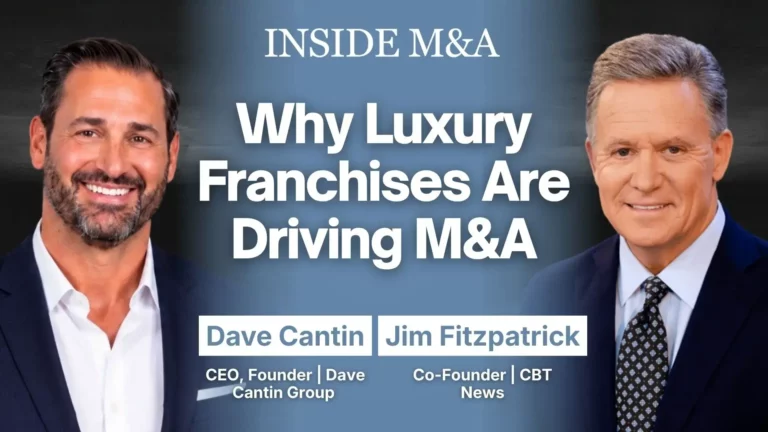 Luxury dealership demand continues to outpace supply, driving competition among buyers across the country. On an upcoming episode of Inside M&A, Dave Cantin, Founder and CEO of Dave Cantin Group (DCG), explains why dealer groups are willing to expand far beyond their traditional markets to acquire premium franchises and what the trend means for valuations, succession planning and dealership owners considering a sale.
Inside Sansone Jr.’s Auto Group’s push to pair old-school service with AI
 Paul Sansone Jr. has spent his entire life in the automotive business, but after more than four decades in retail, his attention isn’t focused on adding more rooftops. Instead, he’s building the systems, technology and leadership team he believes will define the next generation of dealership success. Featured on the latest episode of Executive Profile, we sat down with Sansone, the Owner of Sansone Jr.’s Auto Group, who reflected on growing up in a dealership family, navigating a difficult split from his father’s organization during the financial crisis, and preparing his own children to eventually take over the business.