Many dealers fill open positions as quickly as they can, especially when good applicants are hard to find. The dealerships that pull ahead take more care in choosing their people and give those people reasons to stay.
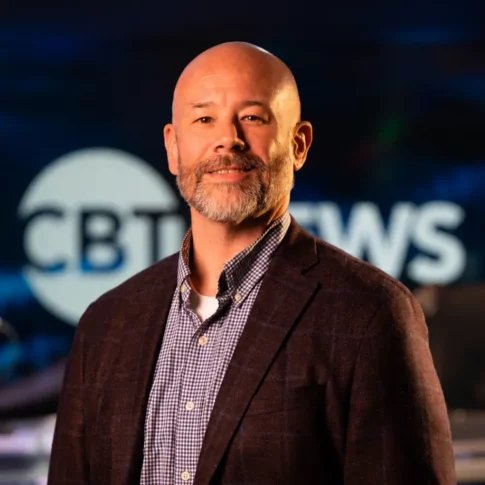
On today’s episode of CBT Now, Dee Ann Turner, Former Chick-fil-A Executive and Founder of Dee Ann Turner & Associates, joins us to explain how great companies find, keep, and develop their best people. Turner spent 33 years at Chick-fil-A, where she became the company’s first female officer and served as Vice President of Talent. There, she helped select thousands of franchisees and corporate team members. Turner says the way a company chooses and treats its people shapes how long they stay.
Selecting talent starts with character
People decisions are the most important decisions a leader makes, a belief Turner credits to Chick-fil-A Founder Truett Cathy. That focus led the company to select talent rather than simply hire people. The goal was finding the right person for each role, one decision at a time.
"Hiring people is about quantity. Selecting talent is about quality."
Her framework weighs character that matches the organization, competency that matches the role and chemistry that matches the team. Character carries special weight because a company’s culture is the sum total of its people’s character. Chemistry means collaborative people who bring diverse perspectives and help the team make its best decisions, Turner said.
The best dealers recruit before they need people
Chick-fil-A competes for workers with every first-time job, including retail roles that are easier than working a fryer. The company’s answer was to carefully select a leader for every restaurant. Those franchisees then select their own employees, Turner said.
The best operators aim to be people’s best first employer. They invest in employees professionally and personally, even knowing most will move on.
“They recognize that 95% of their employees are on their way to something else. And they applaud their success,” Turner said.
Strong operators also recruit constantly, well before a staffing crunch forces them to take whoever applies. They build relationships with local high schools and ask good employees about younger siblings. Many have run their restaurants for decades and built reputations that bring applicants to them, according to Turner.
Dealerships can take the same approach by building a pipeline of sales and service candidates before an opening leaves the floor short-staffed.
Purpose and genuine care keep people in place
A growing dealer group can protect its culture by deciding which few things never change, starting with its purpose. Chick-fil-A’s purpose centers on faithful stewardship and positive influence, and every decision runs through that filter, Turner said. Dealerships can use their own purpose the same way to build consistency employees trust.
Each franchisee has its own culture and approach to retention. What they share is a personal commitment to their people, according to Turner.
“But every one of them genuinely cares about their employees, and they demonstrate it,” Turner said.
One franchisee paid for braces for his employees. Another bought a car for a single mom who had been taking a taxi to work every day. Employees stay because they know the value of working for a great leader, Turner said.
Judgment and relationships give dealerships an edge
Individual judgment is the skill AI can’t replace, according to Turner. AI gives her useful insight every day, but the final decision still rests on her own sound judgment. Former Chick-fil-A President Jimmy Collins once told her problem solvers will always be in demand. She believes AI hasn’t changed that.
Independent dealerships may struggle to match large dealer groups on pay or benefits. They can compete through the relationship employees have with the leader. Dealer principals and managers who work alongside their people and invest in them can build that culture at any size. The right candidates will value it, Turner said.